
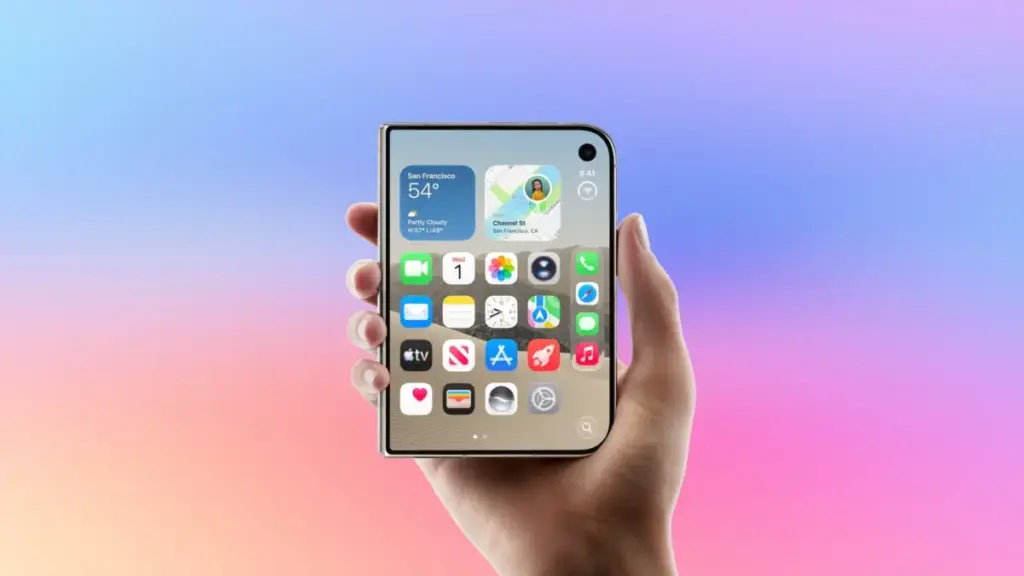
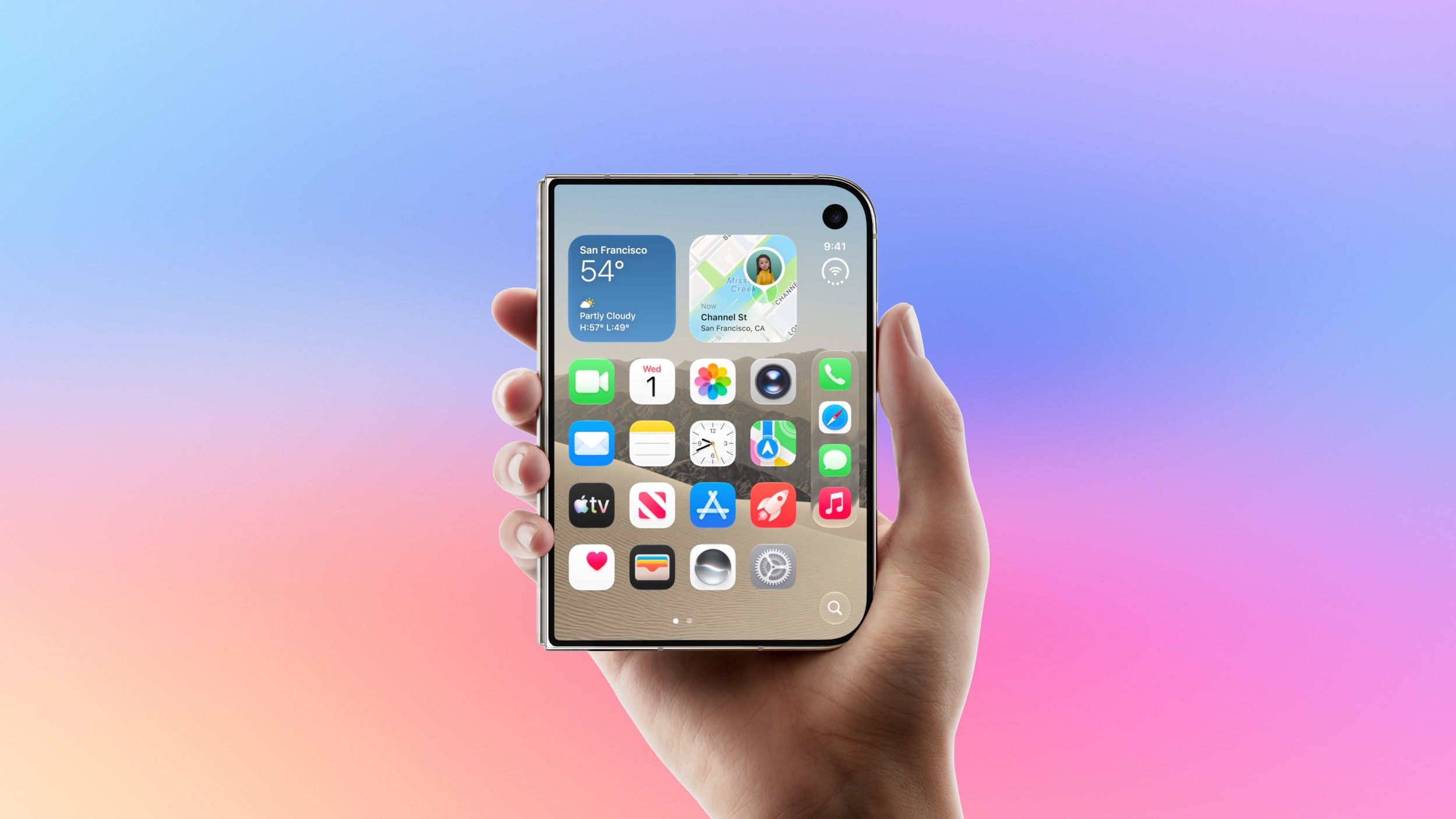
Apple has internally tested an experimental Lock Screen interface designed specifically for the iPhone Duo, which would significantly expand the layout options available to users by allowing widgets to inhabit two distinct areas of the Lock Screen simultaneously. According to technical findings published by the software leaker known as "pdfu," the unreleased layout introduces an additional vertical array of widgets positioned along the right-hand margin of the display. This setup, designated internally as a "Complication Column," operates alongside the traditional bottom row of widgets, creating a denser and more informative glanceable interface on Apple’s dual-screen device.
The leak, shared on the social media platform X by pdfu, reveals that the proposed interface fitment places a vertical pair of circular complications along the right edge of the display. Crucially, this vertical configuration is not designed as a replacement for the existing horizontal widget bar positioned beneath the system clock, but rather as a complementary interface element. If enabled, users would gain access to a dual-zone widget structure, allowing for greater visual customization and immediate access to background data without needing to navigate away from the Lock Screen.
From a spatial and structural standpoint, the "Complication Column" is positioned strategically within the iPhone Duo’s display geometry. The additional widget zone sits directly above the customizable quick-action shortcuts typically reserved for the flashlight and camera controls at the bottom corners of the interface. Rather than crowding these core navigation targets, the layout makes efficient use of the intervening vertical margin space along the right edge. System-level status indicators, including cellular and Wi-Fi network strength icons, remain positioned above the top of the new column, preserving standard status bar readability while capitalizing on otherwise unused screen real estate.
Technical analysis of the underlying operating system code indicates that this multi-zone widget interface is currently inactive for end users. According to details uncovered by pdfu, the functionality is gated behind an internal system toggle labeled within the code as "SpringBoard/Ionic." The feature made its initial appearance in early builds of iOS 27.1. SpringBoard, which serves as the core system shell managing the home screen, lock screen, and application lifecycle across Apple’s mobile platforms, holds the dormant logic required to render the vertical widget column. However, no further code modifications, refinements, or updates targeting the "Ionic" setting have been detected in subsequent operating system iterations.
The static nature of the code leaves the ultimate fate of the "Complication Column" uncertain. In Apple’s software development pipeline, internal toggles within SpringBoard often serve as testbeds for exploratory UI concepts. Engineers frequently embed experimental interface designs into early developer or internal system builds to evaluate usability, battery consumption, and visual balance on pre-release hardware. In many instances, such features remain hidden indefinitely, are salvaged for future major iOS updates, or are scrapped entirely if internal metrics and ergonomic testing fail to meet Apple’s design standards. It remains unclear whether Apple is actively continuing work on the feature or if the vertical complication array was merely a temporary design exercise.
The exploration of expanded lock screen complications highlights Apple’s ongoing effort to optimize the software experience for the iPhone Duo’s distinct hardware layout. As display form factors evolve, traditional single-row widget interfaces can feel underutilized on larger or dual-screen canvases. Providing a vertical column along the edge allows for continuous monitoring of background data—such as battery levels, weather conditions, activity rings, or timer status—while preserving central sightlines for wallpapers and system notifications.
The revelation of this experimental lock screen feature arrives during a period of intense focus on the broader iPhone Duo platform. Since its market debut, the novel device has attracted significant attention, though its launch has not been without technical challenges. Shortly after the initial release of the iPhone Duo, reports surfaced from early adopters detailing durability concerns related to the device’s mechanical hinge assembly, which in certain instances caused structural cracking across the inner flexible display panel.
In response to growing user inquiry regarding display integrity, Apple issued an official statement addressing the matter directly. The company acknowledged that it was aware of reports involving display damage near the hinge line, clarifying that only a small number of units had been impacted by the condition. Despite the isolated failure reports, Apple emphasized that customer response to the iPhone Duo hardware had been overwhelmingly positive. The company also highlighted strong momentum within the developer community, noting that third-party software creators were rapidly updating their application suites to take full advantage of the dual-screen capabilities and multi-window workflows supported by the platform.
To address impacted consumers and standardize service procedures across its retail footprint, Apple distributed an internal technical bulletin to Apple Stores and Apple Authorized Service Providers. The memo outlined diagnostic guidelines for retail technicians and authorized service representatives when evaluating customer devices exhibiting inner screen damage. Under the official guidance, technicians were instructed to thoroughly inspect affected iPhone Duo units and perform repairs or issue complete device replacements in accordance with standard hardware warranty protocols. The proactive directive aimed to minimize downtime for early adopters while technical teams continued to monitor field data regarding hinge stress points.
Beyond software patches and post-launch maintenance, Apple is actively looking toward the long-term future of the iPhone Duo product line. According to reporting from Bloomberg’s Mark Gurman, Apple engineers have outlined four core hardware priorities for future iterations of the dual-screen device. These targeted upgrades include the integration of Face ID authentication, the addition of a physical Action button, the implementation of a dedicated telephoto camera lens, and a comprehensive structural redesign aimed at making the device noticeably thinner and lighter.
Gurman noted that Apple has already developed functional prototypes of the second-generation iPhone Duo featuring Face ID hardware integrated directly into the outer cover display. However, engineering timelines and component packaging constraints have placed pressure on the development schedule. Reports indicate that Apple is running short on time to fully validate and finalize outer-display Face ID integration in time for the upcoming release of the iPhone Duo 2. As a consequence, the biometric upgrade may be deferred to a subsequent revision, illustrating the complex engineering trade-offs required when cramming advanced camera arrays and sensors into ultra-thin folding enclosures.
The remaining three objectives outlined in Gurman’s report highlight key areas where Apple aims to achieve parity between the iPhone Duo and its flagship slab-style smartphones. Incorporating a dedicated telephoto camera would resolve current optical zoom limitations, bringing advanced photographic flexibility to the dual-screen form factor. Similarly, introducing the customizable Action button—first featured on high-end traditional iPhones—would give users quick physical access to system shortcuts, focus modes, or accessibility tools. Finally, reducing the overall thickness and mass of the device remains a primary focus, as thermal management and structural rigidity continue to compete against user demand for sleek, lightweight pocketable hardware.
Taken together, the internal software leaks and hardware roadmaps illustrate Apple’s multifaceted strategy for maturing its new device category. While engineering teams in Cupertino continue to refine the physical construction of the iPhone Duo—addressing early hinge durability issues while planning multi-generational hardware upgrades—software developers are simultaneously re-imagining how iOS presents information across non-standard screen layouts. Whether the experimental "SpringBoard/Ionic" complication column makes its way into a public release of iOS or remains buried in internal code, it underscores Apple’s active exploration of denser, more versatile interface paradigms for the future of its expanding iPhone Duo ecosystem.
 macOS & Apple IT Support
Amazon Trims Base AirPods 5 Price Ahead of Official Launch Alongside Broader Autumn Apple Hardware Discounts
As Apple prepares to officially launch its latest generation of personal audio...
 macOS & Apple IT Support
Apple TV and HomePod Mini Face Extended Shipping Delays as Code Leaks and Software Betas Signal Incoming 2026 Models
Customers looking to purchase an Apple TV or a HomePod mini through...
 macOS & Apple IT Support
Apple Surveys Early iPhone Duo Owners on Display Size, Crease Visibility, and Under-Display Camera as Post-Launch Feedback Begins
Apple has officially begun issuing detailed email surveys to early purchasers of...







