
As Apple prepares for its highly anticipated "Welcome Home" special event scheduled for October 13, the company is set to fundamentally redefine its position within the smart home ecosystem. While the upcoming hardware launches remain the subject of intense speculation, the underlying software framework—iOS 27—is already revealing how Apple intends to leverage its proprietary "Apple Intelligence" to create a more cohesive and intuitive domestic environment. Central to this strategy are significant upgrades to the Home app, focusing on advanced video capabilities and a sophisticated rethinking of how users interact with home notifications.
The upcoming software cycle marks a pivotal moment for Apple’s HomeKit Secure Video (HKSV). Since its inception, HKSV has been positioned as a privacy-first alternative to third-party cloud storage solutions, offering end-to-end encrypted video storage for users with an iCloud+ subscription. However, for years, power users have pointed to a notable limitation: the service’s cap on video resolution. In a move that aligns Apple’s software with modern high-definition camera hardware, iOS 27 officially introduces support for 4K video streaming and recording.
For the smart home community, the transition from 1080p to 4K resolution is more than just a marginal improvement in clarity. Higher resolution is essential for digital zooming and the accurate identification of distant subjects, such as a license plate on a vehicle or the specific features of a delivery person. By allowing supported HomeKit Secure Video cameras to stream and record in 4K, Apple is removing one of the primary hurdles that previously led enthusiasts to opt for rival ecosystems. This upgrade ensures that the security footage stored in the cloud is as detailed as the hardware allows, providing a more robust security solution for the modern household.
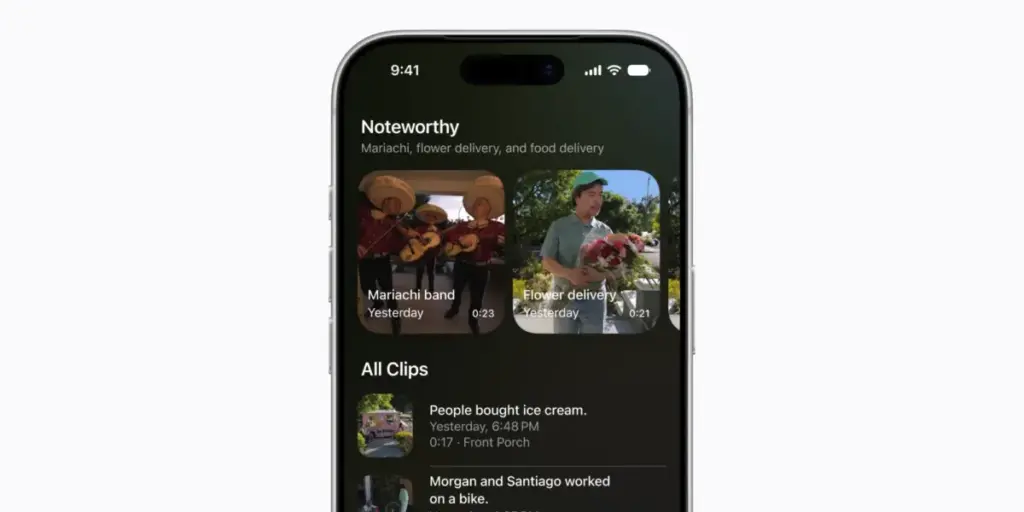
However, the hardware-centric upgrade to 4K is only one half of the story. The true evolution of the Home app in iOS 27 lies in the integration of Apple Intelligence. Apple is deploying its advanced AI models to transform HomeKit Secure Video from a passive storage bin into an active, searchable database. Under the new system, Apple Intelligence provides the Home app with a deeper understanding of the visual data it processes.
One of the most significant AI-powered additions is a revamped search functionality for video clips. Rather than forcing users to manually scrub through hours of footage or rely on simple motion-detection timestamps, iOS 27 allows users to search for specific events using natural language. This capability reflects a broader trend within Apple’s software suite, where the company’s neural engine is used to index visual content for rapid retrieval. Whether a user is looking for a specific person, a particular type of activity, or a lost item left on the porch, the AI-driven search aims to find the relevant clip in seconds.
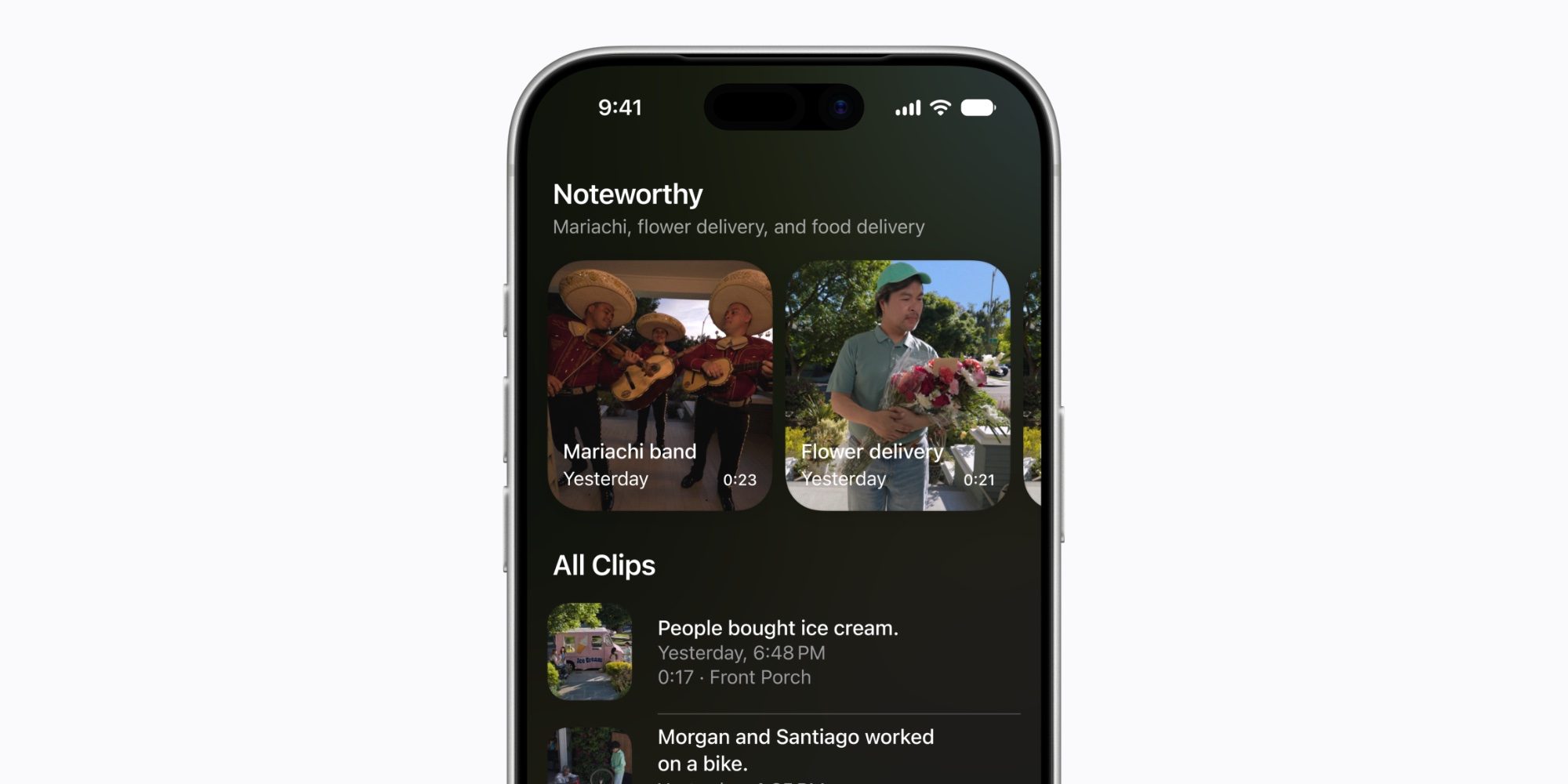
The intelligence upgrades extend into the very fabric of the Home app’s interface. Apple has focused on reducing the friction associated with managing a modern smart home, which often involves juggling dozens of connected devices across multiple rooms. By applying machine learning to the data coming from cameras and sensors, the Home app can now offer a more contextualized view of what is happening in the home, prioritizing relevant information based on the time of day, the user’s habits, and the urgency of specific events.
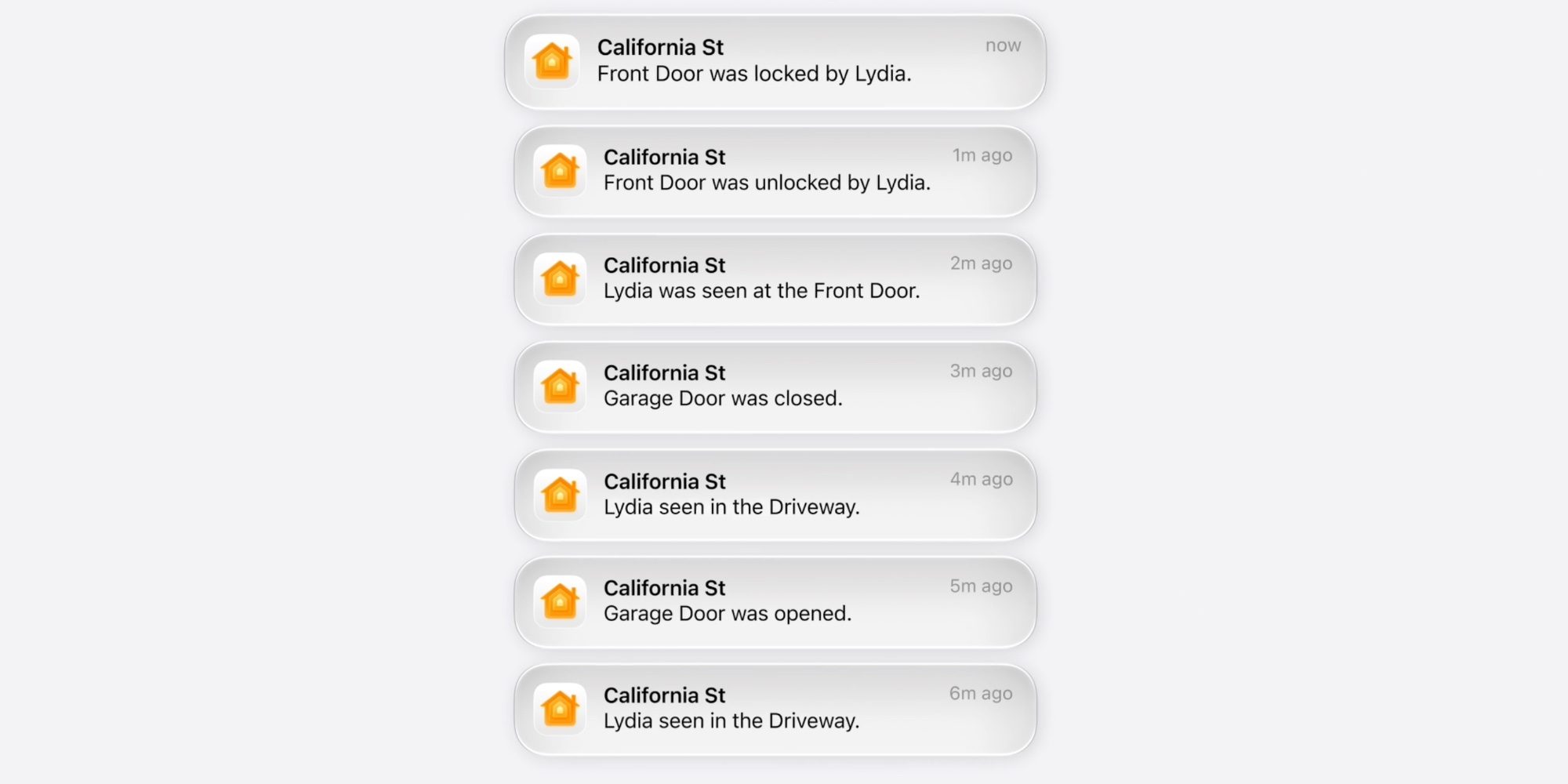
Beyond the enhancements to video security, iOS 27 addresses one of the most persistent complaints in the smart home industry: notification fatigue. In a typical smart home setup, a single event can trigger a cascade of alerts. For example, when a family member returns home, a user might receive separate notifications for motion detected on the porch, the doorbell being rung, the smart lock being disengaged, and the garage door being opened. This barrage of pings can be overwhelming and often leads users to disable alerts entirely, which undermines the purpose of a security system.
To combat this, Apple is introducing a new feature called "Reduce Notifications," powered by Apple Intelligence. This system allows the Home app to understand related notifications as a part of a single, continuous activity rather than a series of isolated incidents. Instead of receiving multiple, fragmented alerts that quickly become outdated, users will receive a single, persistent notification that updates in real time as the activity unfolds.
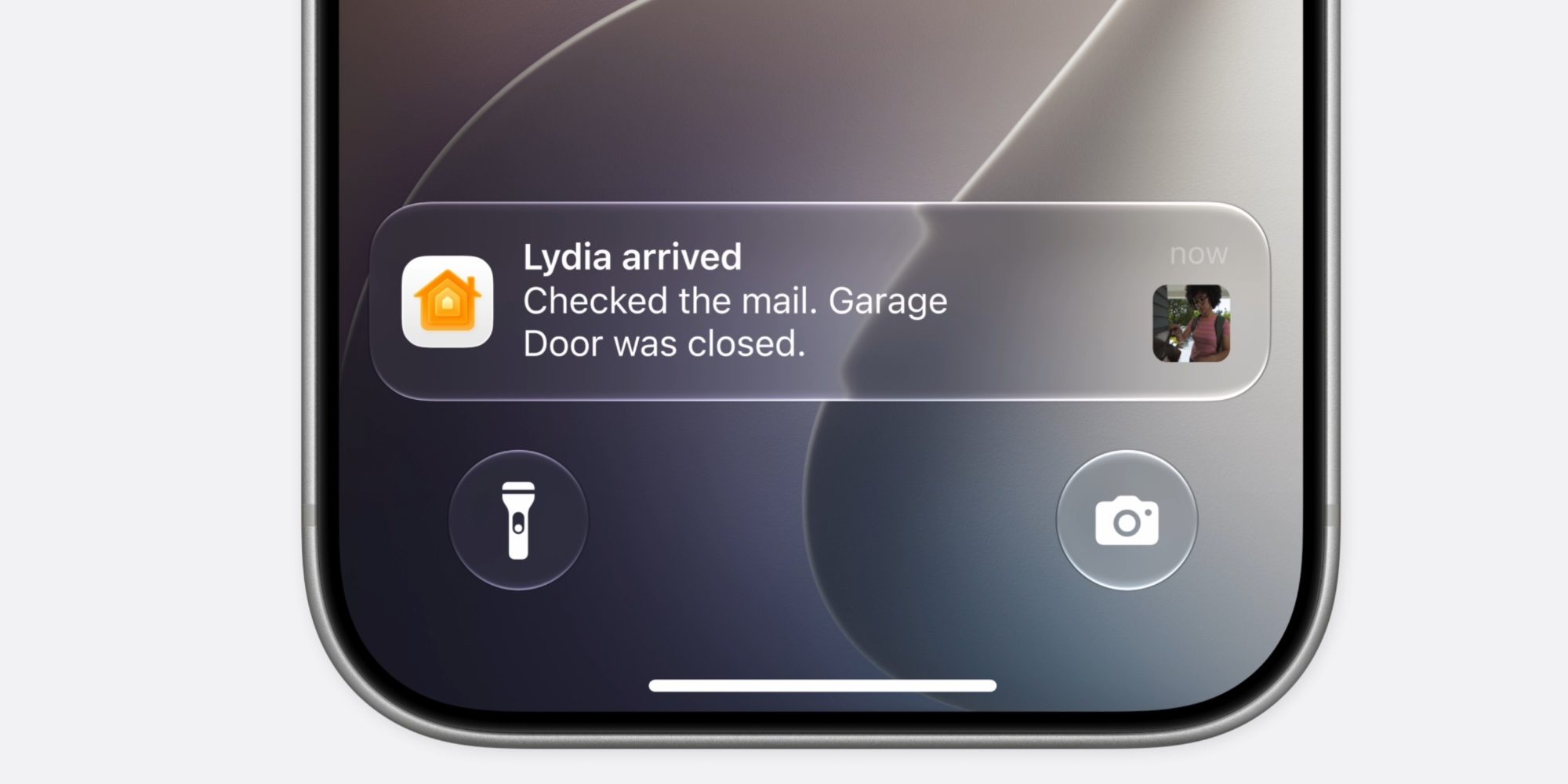
In practice, this means that if a family member named Lydia arrives home, the user’s iPhone will display one cohesive alert. As she moves through the property, the notification might evolve from "Lydia arrived" to "Lydia arrived and checked the mail," and finally to "Lydia arrived, checked the mail, and the garage door was closed." This dynamic updating ensures that the Lock Screen remains clean and that the information presented is always the most current. By consolidating these events into a single narrative, Apple is leveraging AI to provide clarity rather than just data.
This new functionality is housed within a dedicated Apple Intelligence section in the Home app’s settings. The "Reduce Notifications" toggle is designed to be intuitive, explaining to the user that the system will "combine related activities" to streamline the experience. This move represents a shift in Apple’s philosophy, moving away from simple "if-this-then-that" logic and toward a more holistic understanding of human activity within a living space.
The timing of these software reveals is no coincidence. Apple’s "Welcome Home" event on October 13 is widely expected to showcase new hardware that will take full advantage of these iOS 27 features. Industry analysts suggest that the company may be preparing to launch new smart displays, updated HomePods, or even first-party camera hardware designed to showcase the 4K capabilities of HomeKit Secure Video. By announcing these software upgrades ahead of the event, Apple is setting the stage for a hardware lineup that is deeply integrated with its latest AI advancements.
The broader implications of these updates suggest that Apple is doubling down on its iCloud+ value proposition. Since HomeKit Secure Video is a core component of the subscription service, the addition of 4K support and AI-driven search makes the monthly fee more justifiable for users who are increasingly price-sensitive about cloud services. Furthermore, by keeping the processing for these features on-device or within its secure cloud architecture, Apple continues to use privacy as a competitive differentiator against other tech giants who may use home data for advertising or less transparent purposes.
As the smart home market matures, the focus is shifting from basic connectivity to intelligent automation. The features arriving in iOS 27 demonstrate that Apple is no longer content with the Home app being a simple remote control for lights and locks. Instead, the company is positioning the iPhone and the Home app as the "brain" of the house—a system capable of seeing, understanding, and communicating the state of the home in a way that feels natural and helpful rather than intrusive.
With the October 13 event looming, the tech world is looking closely at how these iOS 27 features will integrate with the rumored "several new Home products." If the software is any indication, the next generation of the Apple home will be defined by higher fidelity, smarter notifications, and a seamless blend of security and convenience. For current users of the Home app, these updates represent a long-awaited refinement of the ecosystem, promising a future where the smart home is finally smart enough to manage itself.
 Smart Home & IoT Solutions
SwitchBot Unveils Lock Vision Series Featuring 3D Facial Recognition and Native Matter Integration
In the rapidly evolving landscape of smart home security, the transition toward...
 Smart Home & IoT Solutions
Apple Intelligence and 4K Video Support Headline Significant Home App Upgrades in iOS 27
As Apple prepares for what is rumored to be one of its...
 Smart Home & IoT Solutions
Apple Ties New AI-Powered Home Security Features to Premium 2TB iCloud+ Subscription Tier
As Apple continues to integrate its sophisticated "Apple Intelligence" suite across its...







