
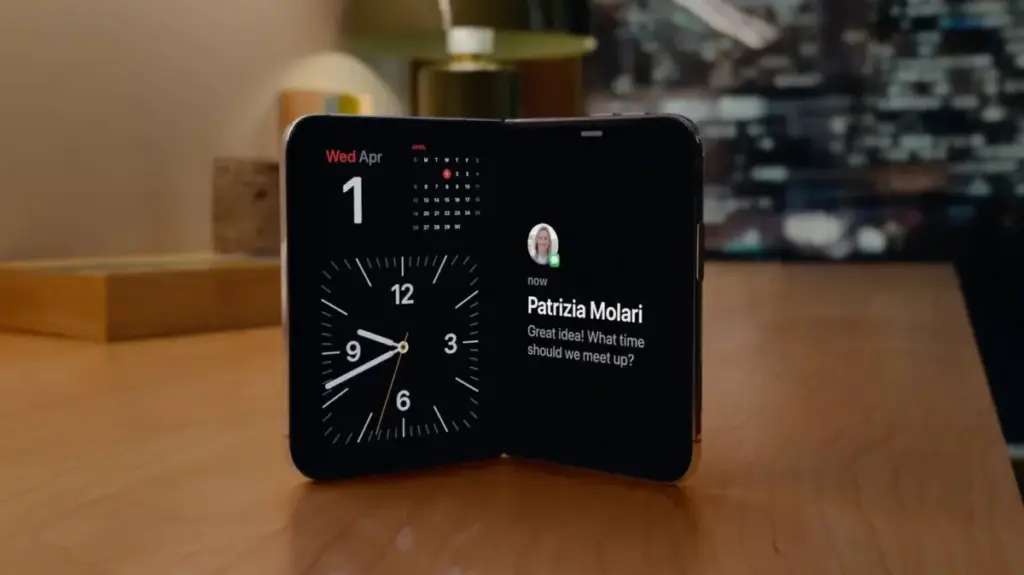
Apple retail employees have been instructed to proactively warn customers against visiting physical retail stores to purchase the new iPhone Duo without a pre-order when the device officially launches on Friday, October 23. Staff members across Apple Stores have been informed that there will likely be no unreserved inventory allocated for walk-in buyers on launch day, prompting store management to direct employees to discourage hopeful shoppers from arriving in person with the expectation of making an immediate purchase. The internal directive aims to manage customer expectations and prevent widespread disappointment, as severe supply constraints continue to restrict inventory of the highly anticipated foldable device worldwide.
The internal advisory, reported by retail staff members, highlights a stark reality for prospective buyers who missed the initial pre-order window. Apple Store team members are actively advising unreserved shoppers that coming into a store on October 23 in hopes of buying an iPhone Duo will almost certainly end in disappointment. The guidance represents a firm effort by Apple to manage retail store traffic and direct customer activity back toward official digital channels, even as online delivery schedules face extraordinary and unprecedented delays.
Apple’s official online storefront currently instructs interested shoppers to check back on Saturday, October 24 for potential store pickup availability. However, during the initial rush when pre-orders opened, in-store pickup reservations were available for only a fleeting moment before the option was disabled across the system. The messaging on Apple’s website encouraging customers to revisit the online store on October 24 carries no firm guarantee that physical store inventory will actually materialize on that date, leaving consumers with minimal visibility into local retail restocks.
It remains unclear how uniformly this internal retail guidance is being enforced across Apple’s international network of stores, or whether specific flagship locations might receive unexpected stock allocations. Nonetheless, if the warning is strictly adhered to on a global scale, it effectively cuts off the primary remaining alternative for buyers seeking to acquire the foldable phone without enduring months of online shipping delays. For many consumers, physical store queues on launch morning traditionally represented a reliable fallback option to secure new hardware on day one, a route that now appears largely closed for this release.
The drastic measures taken within retail stores follow an overwhelming surge of online demand that completely exhausted initial inventory allocations within minutes. When pre-orders for the iPhone Duo originally opened earlier in the week, estimated delivery dates slipped past the October 23 launch target almost instantaneously. Within 30 minutes of sales going live, every available hardware configuration listed on Apple’s U.S. online store displayed estimated shipping dates extending all the way out to January 25. The immediate backlog effectively rendered the device sold out through Apple’s direct online channels for the entire Christmas and holiday shopping season.
In response to the extraordinary sellout, Apple issued an official statement describing customer demand for the iPhone Duo as "nothing short of extraordinary." The Cupertino tech giant added that its engineering and operational teams are working diligently to manufacture and ship units to waiting customers as quickly as possible. Despite acknowledging the unprecedented interest, Apple has consistently refrained from making any public commitments regarding whether physical retail stores will reserve any floor stock for walk-in customers on launch day.
The severe inventory deficit facing the iPhone Duo does not come as a complete surprise to industry observers who have closely monitored the device’s troubled production trajectory over the past several months. Reports regarding acute manufacturing bottlenecks began circulating well before Apple officially announced the device during its autumn product showcase.
As early as late August, supply chain reports indicated that production of the complex foldable device was experiencing severe yield issues, reaching an output of only a few hundred finished units per day. The complex assembly process, which requires specialized components and precise tolerances for the folding display and hinge architecture, suffered additional manufacturing setbacks into late September. These compounding technical difficulties prevented Apple’s manufacturing partners from scaling up full production volumes during critical pre-launch assembly windows.
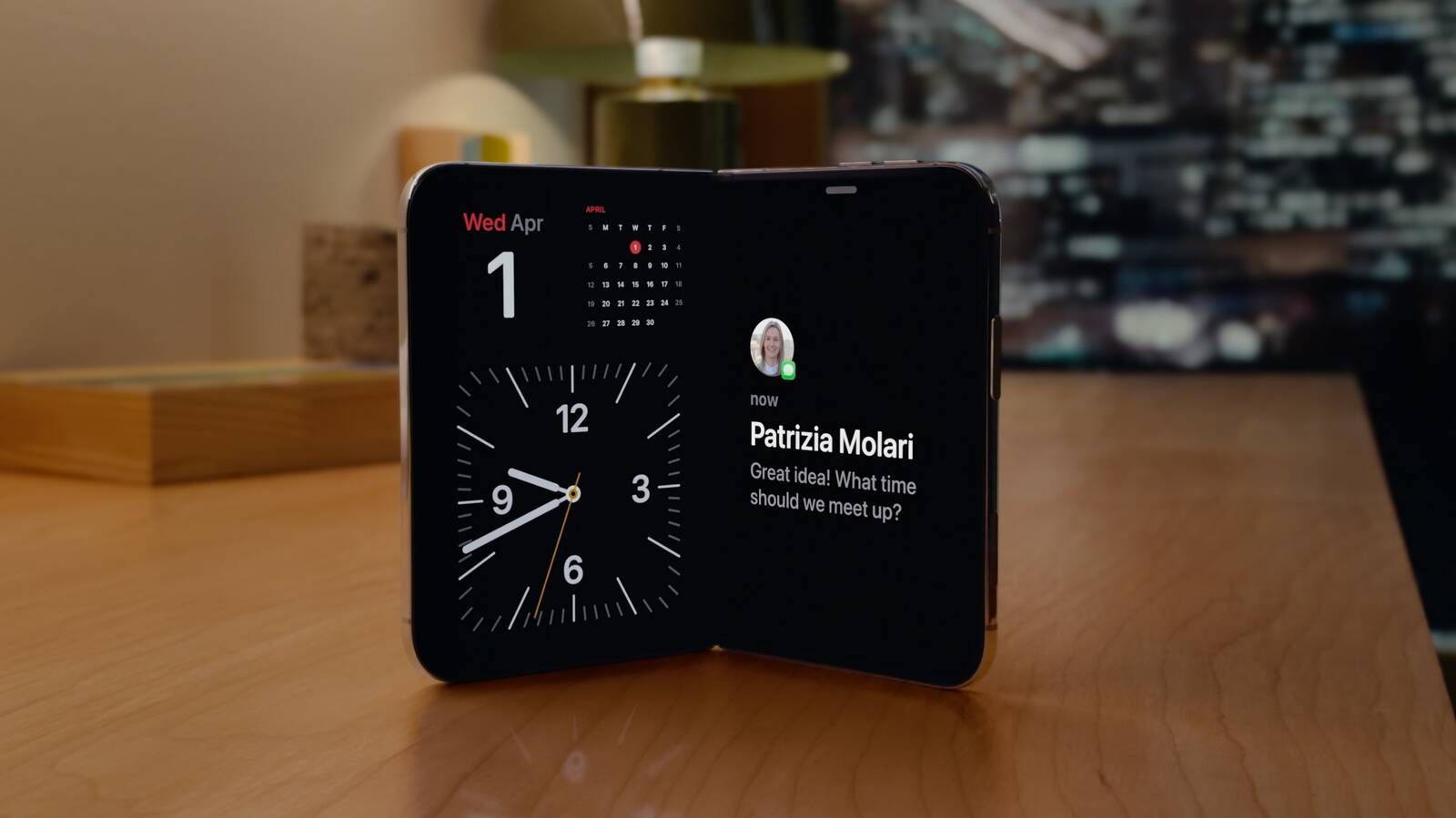
The gravity of these manufacturing hurdles prompted internal discussions regarding whether to alter the device’s release timeline entirely. Early reports indicated that Apple executives at one stage considered the possibility that severe supply limits might force the company to delay the commercial launch of the iPhone Duo into November. While Apple ultimately assembled a sufficient volume of completed units to move forward with its planned October 23 release date, available inventory remained critically constrained across all distribution channels heading into launch week.
Priced at $1,999 in the United States, the iPhone Duo stands as Apple’s most costly handheld device to date, establishing a premium price tier well above the company’s traditional flagship smartphone lineup. First pre-order deliveries for the $1,999 device remain scheduled to arrive on October 23 for the fortunate few who managed to place orders immediately after system availability opened.
When evaluated at equivalent storage capacities, the iPhone Duo carries an $800 price increase over the standard iPhone 18 Pro and sits $700 higher than the top-tier iPhone 18 Pro Max. While the high price point delivers Apple’s long-anticipated entry into the foldable hardware segment, early comparisons highlight significant functional differences between the new form factor and traditional flagships. To acquire the radical folding dual-screen experience, buyers are asked to accept nearly 40 technical and functional compromises when measured directly against the iPhone 18 Pro and iPhone 18 Pro Max. These trade-offs span several key operational categories, including camera hardware capabilities, everyday usability, long-term durability, and overall ownership costs.
Camera systems represent one notable area of contrast between the foldable device and Apple’s Pro smartphone line. The iPhone Duo is equipped with a total of four cameras integrated across its dual-screen chassis. The main rear camera array features a 48-megapixel Fusion Main camera paired with a 48-megapixel Ultra Wide camera. For exterior display interactions, video calls, and self-portraits, the device incorporates a 12-megapixel Center Stage camera situated in the outer display assembly.
To showcase the visual potential of the iPhone Duo’s camera setup despite its physical form-factor constraints, Apple recently shared a curated photography gallery across its official Instagram channel. The showcase featured six distinct photographs captured on the device by American photographers Jake Michaels and Jason Nocito as part of a specially commissioned Apple creative project. The images were released to highlight the real-world imaging capabilities of the hardware ahead of its official retail debut.
Beyond camera design, the visual quality and physical resilience of the folding display remain focal points for prospective buyers evaluating the $1,999 device. A persistent challenge across the broader foldable smartphone market has been the long-term durability of flexible screens and the visibility of the display crease along the central hinge mechanism over extended periods of usage.
To address surface glare and help minimize the visual prominence of the central seam, Apple engineered the iPhone Duo with a specialized matte nano-texture display finish. Speaking candidly about customer expectations and display engineering, Apple Vice President of Hardware Engineering Tom Marieb recently addressed questions regarding screen longevity during an interview. When asked whether the display crease on the iPhone Duo might deteriorate or become noticeably more visible over time—a common criticism associated with competing foldable devices—Marieb expressed confidence in Apple’s design execution, directly encouraging consumers and critics to hold the company accountable regarding the screen’s long-term visual performance and structural integrity.
As the October 23 launch date arrives, early adopters face an extraordinarily constrained purchasing environment. Customers who successfully placed pre-orders in the opening seconds of availability are slated to receive their deliveries on Friday, while those hoping to make a spontaneous retail purchase are being firmly advised by store employees to avoid showing up without a reservation.
With Apple Store staff instructed to turn away walk-in shoppers, online pre-order delivery windows pushed back to late January, and store pickup options temporarily disabled, the rollout of the iPhone Duo represents one of the most tightly restricted hardware launches in Apple’s recent history. For now, prospective buyers without existing pre-orders must monitor Apple’s online channels starting October 24 or prepare to wait out a fulfillment queue that stretches well into the new year.
 macOS & Apple IT Support
Apple Releases watchOS 27: A Comprehensive Look at New AI Features, Interface Changes, and Health Updates Across Apple Watch Generations
Apple officially launched watchOS 27 on September 14, introducing a sweeping array...
 macOS & Apple IT Support
Supposed M6 Pro Geekbench Result Flawed and Likely Fake, Founder Confirms
A benchmark score claiming to reveal the performance capabilities of an unreleased...
 macOS & Apple IT Support
Apple Preparing Major Smart Home Push With New AI-Powered Display Hub and homeOS Platform
Apple is readying a major expansion of its smart home strategy centered...






