
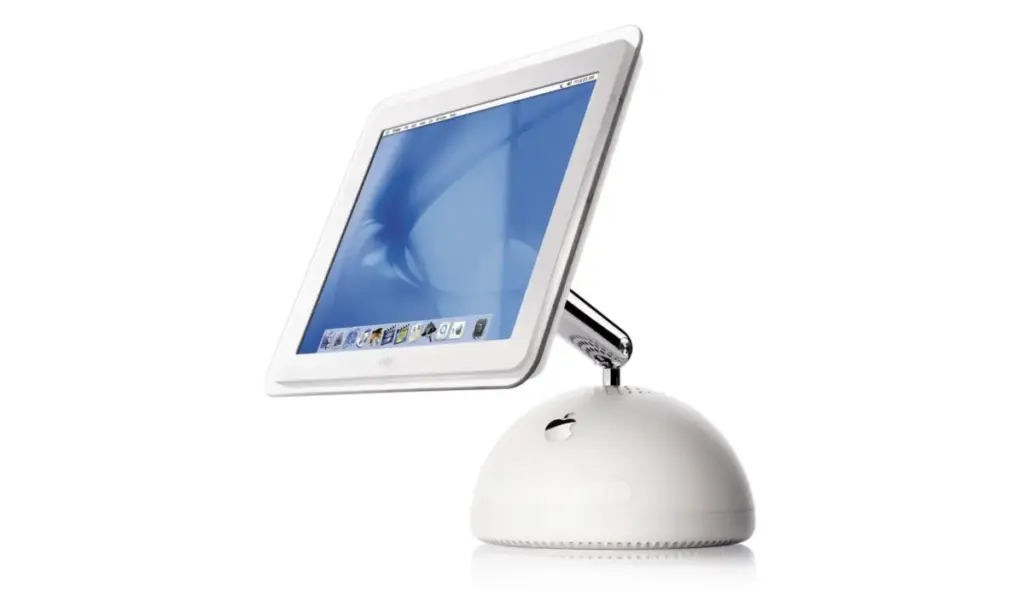
In a move that signals a significant shift in its hardware strategy, Apple is reportedly less than two weeks away from unveiling its first dedicated smart home display. This long-anticipated entry into the smart home hub market represents a major effort by the Cupertino-based tech giant to reclaim ground in a category currently dominated by Amazon’s Echo Show and Google’s Nest Hub series. According to a comprehensive report from Bloomberg, the new device will not only serve as a functional centerpiece for the modern connected home but will also pay homage to one of the most beloved designs in Apple’s industrial design history.
The upcoming product, which has been the subject of speculation for several years, is expected to bridge the gap between the HomePod’s audio capabilities and the iPad’s visual interface. For years, Apple users have relied on iPads mounted to walls or placed on third-party stands to act as makeshift home controllers. This new device, however, is purpose-built for the environment of the kitchen counter, the bedside table, and the living room wall, integrating hardware and software in a way that previous workarounds could not achieve.
A Design Language Rooted in Apple’s Heritage
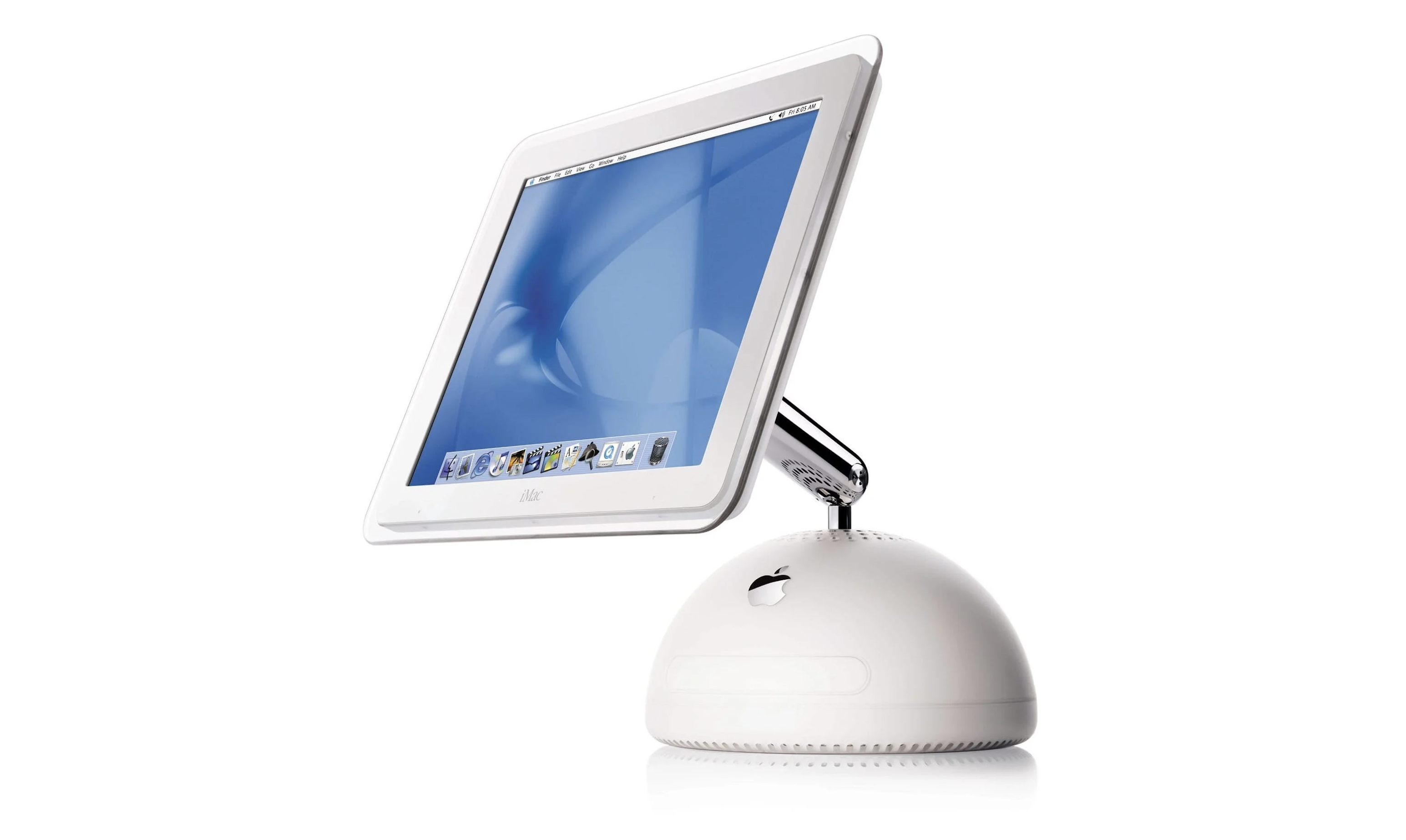
Perhaps the most striking detail revealed in the latest report is the device’s aesthetic inspiration. Apple is reportedly looking back to the early 2000s, specifically to the iMac G4, for the design of its new home hub. The iMac G4, often referred to as the "sunflower" Mac, was a revolutionary piece of hardware that featured a flat-panel display attached to a polished metal arm, which in turn emerged from a weighted, half-dome base containing the computer’s internals.
The new smart display is said to mirror this iconic silhouette on a smaller scale. According to Bloomberg’s Mark Gurman, the device features a small, approximately 6-inch square display. This screen size is notably compact, positioning it as a subtle addition to home decor rather than an imposing screen. The display is reportedly attached to a base that houses the essential components, potentially including the speakers and the processing power required to run Apple’s latest smart home software.
The report describes the display itself as being "about as thick as an iPhone," suggesting a remarkably slim profile that emphasizes portability and sleekness. In terms of the front-facing aesthetics, the device is said to feature quarter-inch black bezels, a design choice reminiscent of older iPad models. While the tech industry has trended toward bezel-less "all-screen" designs in recent years, the inclusion of a modest border may serve a functional purpose, providing a place for users to grip the device or housing the necessary sensors for FaceTime and gesture controls. Furthermore, the device is characterized by rounded corners with "no sharp edges," ensuring it fits the soft, approachable aesthetic typically desired for home appliances.

Versatility Through Dual Models
Apple’s strategy for the smart home hub appears to be two-pronged, catering to different domestic needs through distinct form factors. While the iMac G4-inspired desktop model is expected to be the primary consumer offering, Bloomberg reports the existence of a second version specifically "designed to be mounted on a wall."
This wall-mounted variant addresses a growing trend in home automation: the centralized control panel. Rather than sitting on a counter, this version is intended to be a permanent fixture of the home’s infrastructure. To facilitate this, the wall-mounted unit reportedly utilizes USB-C for power, a move that aligns with Apple’s broader transition away from proprietary charging standards.
The architecture of the wall-mounted version differs slightly from its desktop counterpart. It features a "thin, square-shaped base beneath the display" that houses the microphones and speakers. Unlike the desktop model’s dome base, this component is designed to sit flat against the wall directly below the screen. This configuration suggests a high-fidelity audio experience even in a wall-mounted format, ensuring that Siri can hear commands from across a room and that the device can function as an effective intercom or music player.
The Software Brain: A New Era for HomeOS
While the hardware design is garnering much of the attention, the software powering these devices is equally critical. For years, Apple’s smart home experience has been fragmented across the Home app on iPhone, iPad, and Mac, and the voice-only interface of the HomePod. The new smart display is expected to introduce a more cohesive operating system, often referred to in rumors as "homeOS."
This software is expected to be a derivative of tvOS, the platform that powers the Apple TV, but heavily optimized for a touch-first, glanceable interface. The 6-inch square screen suggests a UI built around "widgets"—dynamic tiles that provide real-time information such as weather updates, calendar appointments, and the status of smart lights or security cameras. Given Apple’s recent push into "Apple Intelligence," it is highly likely that these hubs will serve as a primary interface for a more advanced, context-aware version of Siri, capable of managing complex home automation tasks with natural language processing.
The integration of a camera is also a pivotal feature. By including a camera in a dedicated home display, Apple can finally bring FaceTime to a stationary home device that isn’t a television. This could include support for Center Stage, the technology that uses machine learning to keep users in the frame as they move around a room—a feature that would be particularly useful in a kitchen setting where a user might be cooking while on a video call.
Strategic Positioning in a Crowded Market
Apple’s entry into this category is a clear acknowledgement that the "smart speaker" alone is no longer enough to anchor a smart home ecosystem. Amazon and Google have found significant success with displays, discovering that users value the visual confirmation of a command being executed, the ability to view security footage, and the convenience of following recipes or watching short videos.
By launching a dedicated hub, Apple is also reinforcing its commitment to the Matter and Thread standards. As a founding member of the Matter alliance, Apple has been working to ensure that its devices can communicate seamlessly with products from other manufacturers. This new smart display will likely act as a "border router," strengthening the Thread mesh network within a home and ensuring that smart locks, lights, and sensors remain responsive and reliable.
The timing of this launch, reportedly less than two weeks away, suggests that Apple may be planning a late-year product announcement to capture the holiday shopping season. While the company recently held its major iPhone 16 event in September, Apple has a history of using October or early November to debut secondary product lines, such as new Macs or iPads. A smart home hub would fit perfectly into a "home and audio" focused announcement.
The Significance of the iMac G4 Callback
The decision to evoke the iMac G4 is more than just a nostalgic flourish. The original G4 was designed by Jony Ive’s team to look like a piece of furniture or a piece of art, rather than a beige box of electronics. By returning to this design language, Apple is signaling that its smart home hardware is intended to be "lifestyle" tech—something that looks good on a nightstand or a kitchen island.

The metal arm, in particular, offers ergonomic benefits that a static tablet cannot provide. If the new hub follows the G4’s lead, users will be able to tilt and swivel the 6-inch screen to achieve the perfect viewing angle, whether they are standing at a counter or sitting at a desk. This level of physical adjustability has been a missing element in many of the current smart displays on the market, which often feature fixed screens with limited viewing angles.
Looking Ahead
As the launch window approaches, the tech industry is watching closely to see if Apple can disrupt a category it has ignored for years. The combination of iconic design, specialized software, and deep integration into the Apple ecosystem makes the upcoming smart display one of the most intriguing products in the company’s recent roadmap.
The report from Bloomberg underscores a broader reality: Apple is no longer content to let Amazon and Google define the interface of the modern home. With a 6-inch square display, a design that honors its past, and a dual-model approach that covers both desktop and wall-mounted use cases, Apple is preparing to make its most aggressive move yet into the center of the household. Whether consumers are ready to swap their Echo Shows for a "sunflower" inspired Apple hub will be the ultimate test of the company’s design-led strategy in the smart home space.
 Smart Home & IoT Solutions
Schlage Set to Launch Sense Pro Smart Deadbolt with Ultra Wideband Support for Apple Home Users
The landscape of the smart home security market is poised for a...
 Smart Home & IoT Solutions
Apple now sells Aqara Adaptive Temperature thermostat and seven more accessories
The inclusion of these products in the Apple Store is more than...
 Smart Home & IoT Solutions
Apple Gates Advanced AI Home Security Features Behind Premium 2TB iCloud Subscription
As the technology industry continues its aggressive pivot toward artificial intelligence, the...







