
As Apple prepares for what is rumored to be one of its most ambitious hardware cycles in years, the software foundation supporting its smart home ecosystem is receiving a massive overhaul. With internal reports suggesting the launch of up to 15 new products this fall—including a highly anticipated foray into first-party home security cameras—the introduction of iOS 27 marks a pivotal moment for the Home app. The update focuses heavily on the integration of Apple Intelligence, the company’s proprietary AI framework, to transform how users interact with their living spaces and monitor their security.
The centerpiece of this update is a series of enhancements to HomeKit Secure Video (HKSV), Apple’s encrypted, cloud-based video storage service. For years, HKSV has been a cornerstone of Apple’s privacy-focused smart home strategy, offering iCloud+ subscribers a way to record and review footage without the privacy concerns associated with third-party servers. However, as the smart home market has matured, users have increasingly called for higher fidelity and more sophisticated analytical tools. With iOS 27, Apple appears to be answering those calls by leveraging both high-performance hardware capabilities and advanced machine learning.
HomeKit Secure Video gets four new iOS 27 features in Home app
The most immediate and visible change to HomeKit Secure Video is the long-awaited support for 4K video resolution. Since its inception, HKSV has been capped at 1080p, a limitation that often put Apple-compatible cameras at a disadvantage compared to high-end competitors. Apple has officially confirmed that supported HomeKit Secure Video cameras can now stream and record in 4K. This move not only improves the clarity of live feeds but also provides more granular detail for digital zooming, which is crucial for identifying faces or license plates at a distance.
The shift to 4K is particularly significant given the rumors that Apple is developing its own home security camera. By upgrading the software backend to support Ultra HD, Apple is ensuring that its upcoming hardware will not be hamstrung by legacy software restrictions. This upgrade will likely require users to have robust home networks and sufficient iCloud storage, as 4K video files are substantially larger than their high-definition predecessors.
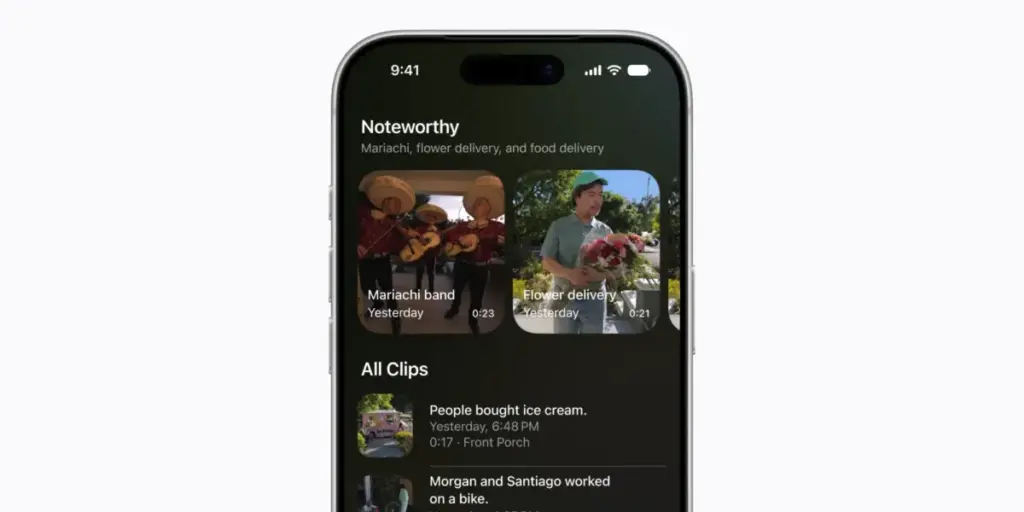
Beyond the increase in raw resolution, Apple Intelligence is being deployed to make video footage more searchable and actionable. Three of the four major HKSV upgrades are powered by this new AI architecture. The first is an intelligent search function for video clips. Rather than manually scrubbing through hours of footage to find a specific event, users can now use natural language queries. For instance, a user could ask the Home app to "find the clip of the person wearing a red jacket" or "show me when the delivery truck arrived." This capability represents a shift from passive recording to active information retrieval, making the Home app a more powerful tool for home security management.
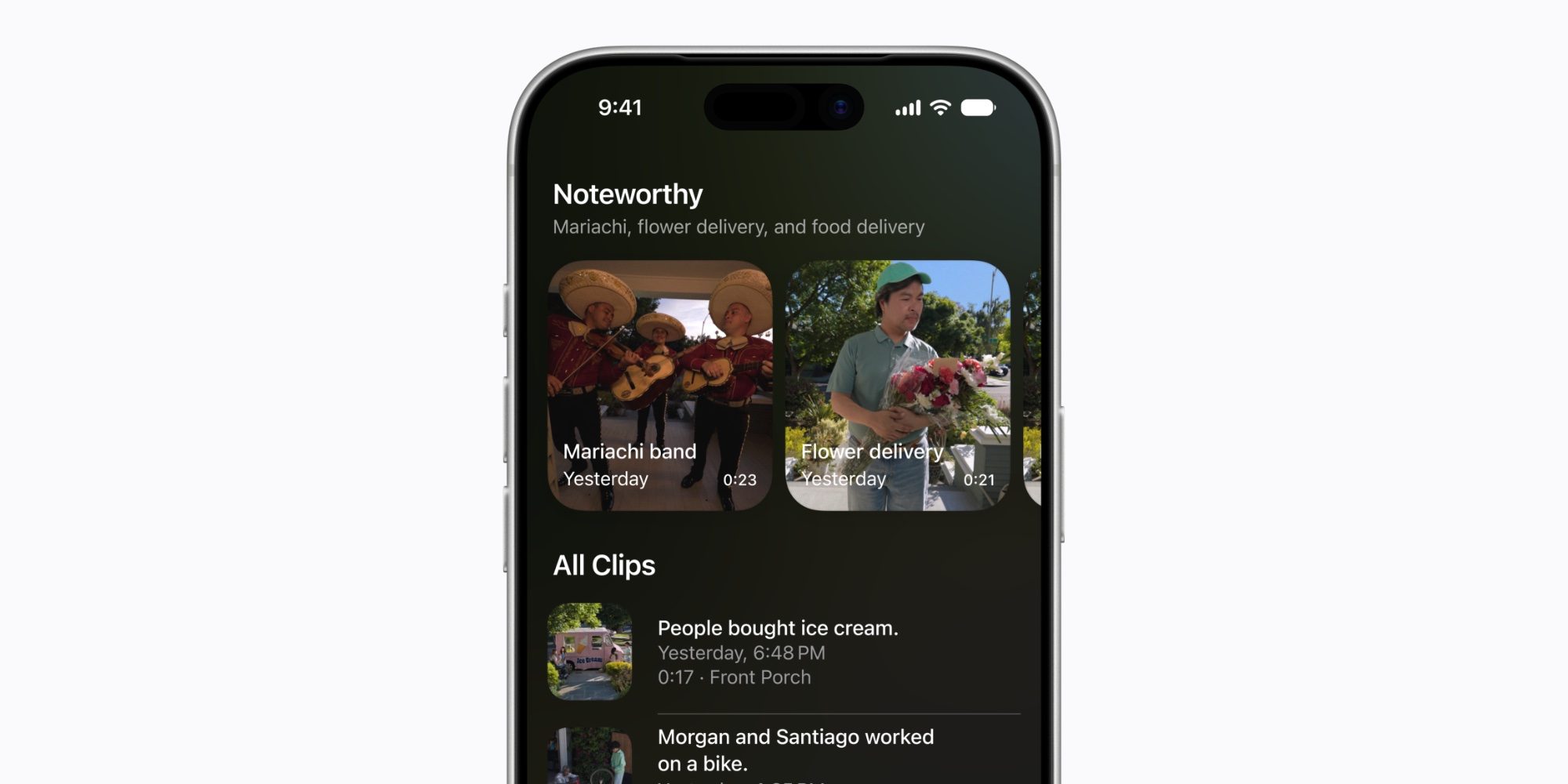
Additionally, Apple Intelligence enhances object detection and activity zone management. While HKSV has previously been able to distinguish between people, animals, and vehicles, the new system is designed to be more precise and context-aware. It can now recognize specific recurring activities and summarize them for the user. These AI-driven features are processed on-device whenever possible, maintaining Apple’s commitment to user privacy while delivering the kind of advanced analytics usually reserved for data-heavy cloud platforms.
For users looking to take advantage of these new features immediately, several third-party manufacturers already offer cameras that are compatible with the HomeKit Secure Video ecosystem. While the 4K support will depend on the specific hardware capabilities of the camera, the AI-driven search and notification features will be handled by the Home hub—such as an Apple TV or HomePod—running the latest software.
Home notifications update in real time, so you won’t see outdated alerts
While the video upgrades target security-conscious users, a second major pillar of the iOS 27 update focuses on the daily user experience of managing a smart home. One of the most common complaints regarding smart home ecosystems is "notification fatigue"—the phenomenon where a user is bombarded by a series of individual alerts for a single event. Apple is addressing this through a new AI-powered feature called "Reduce Notifications."
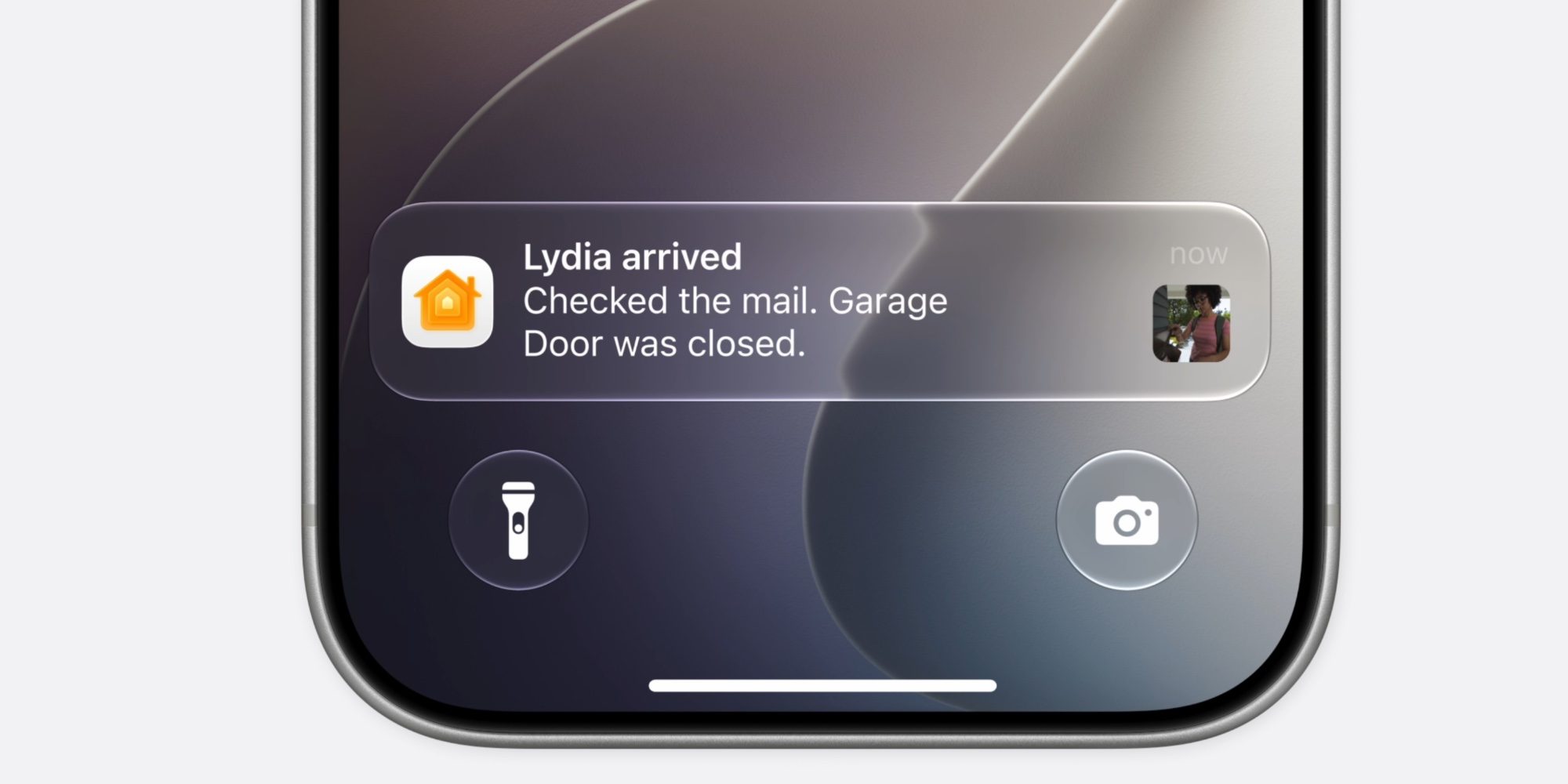
In previous versions of iOS, a single event, such as a family member returning home, could trigger a cascade of separate alerts: one for a motion sensor, one for the doorbell camera, one for the smart lock being engaged, and another for the garage door closing. This often resulted in a cluttered lock screen filled with redundant or outdated information. In iOS 27, the Home app utilizes Apple Intelligence to understand related notifications as a single activity.
Under a new Apple Intelligence section within the Home app’s settings, users can toggle the "Reduce Notifications" feature. When enabled, the system intelligently clusters related activities into a single, dynamic notification that updates in real time. For example, instead of receiving seven separate pings, a user might see one notification that evolves as the event progresses. The alert might initially say "Lydia arrived," then update to "Lydia arrived and unlocked the front door," and finally settle on a summary: "Lydia arrived. Checked the mail. Garage Door was closed."
This "Live Activity" style of notification management ensures that the user always sees the most current status of their home without having to dismiss multiple banners. It reflects a broader trend in iOS 27 toward "summarization," where AI is used to distill complex streams of data into easily digestible snippets. By treating a sequence of sensor triggers as a single "event," Apple is making the smart home feel more intuitive and less intrusive.
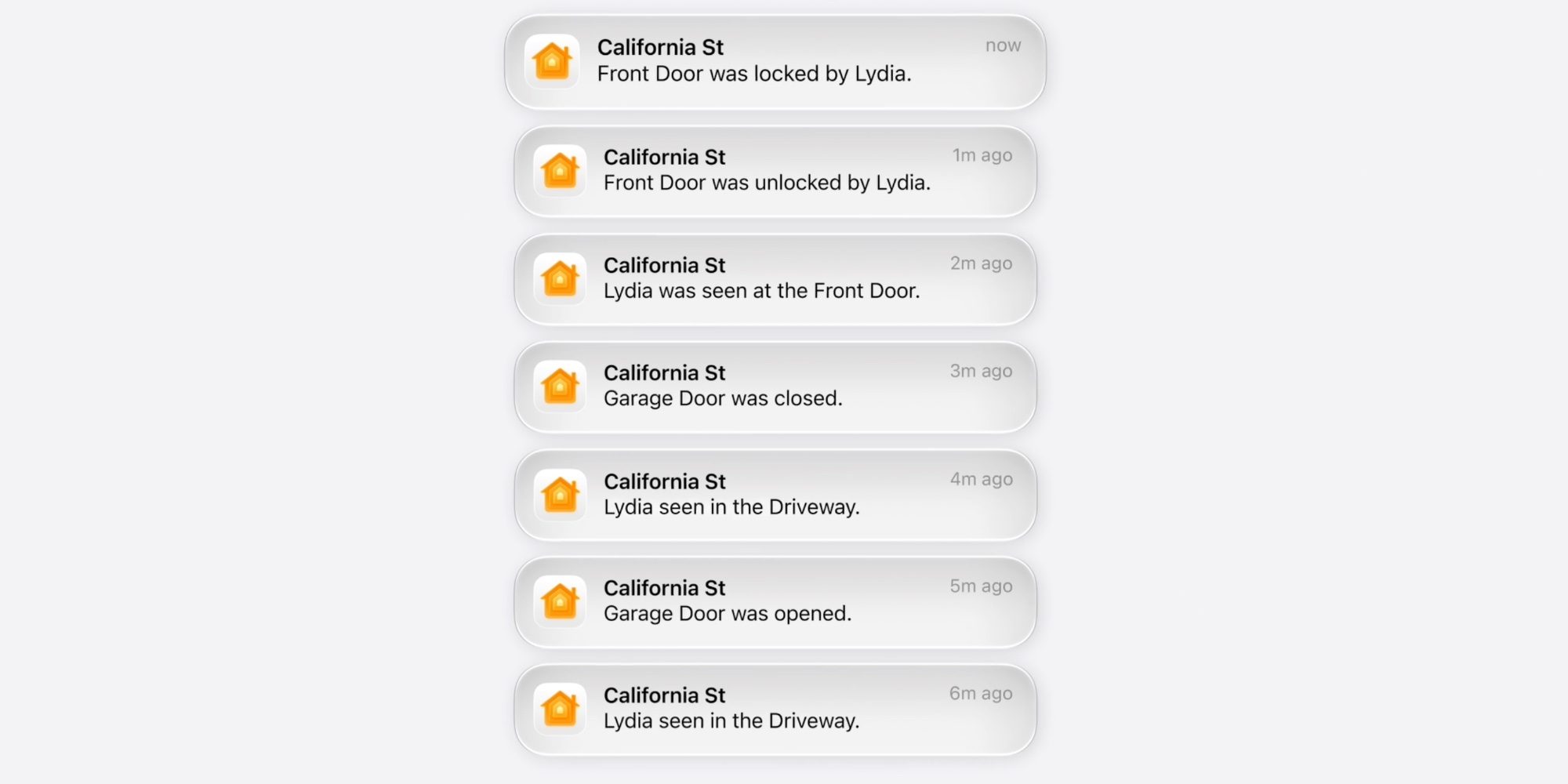
The implementation of these real-time updates also has practical implications for home security. By condensing the notification stream, critical alerts—such as an unrecognized person at the door—are less likely to be buried under a mountain of routine status updates. This creates a more focused and effective monitoring environment, where the urgency of a notification is matched by its presentation on the user’s device.
The timing of these updates is no coincidence. As Apple prepares to launch its fall hardware lineup, the company is clearly positioning the Home app as a central hub for the modern digital lifestyle. The integration of Apple Intelligence across the HomeKit Secure Video platform and the notification system suggests that Apple sees the smart home not just as a collection of connected gadgets, but as an intelligent environment that can anticipate and summarize the needs of its inhabitants.
For long-time enthusiasts of the Apple Home ecosystem, these changes represent a significant leap forward. The move to 4K resolution brings the platform into parity with industry leaders in terms of hardware support, while the AI-driven notification and search features leverage Apple’s unique strengths in software and silicon integration. As the public beta of iOS 27 nears, users will soon be able to experience firsthand how these features change the way they interact with their homes.

The broader implications of these updates extend beyond just the iPhone. Because the Home app serves as a cross-platform interface, these improvements to HKSV and notification handling will likely be reflected across iPadOS and macOS, creating a unified experience for users regardless of which device they are using to monitor their property. As Apple continues to build out its vision for a more intelligent, private, and capable smart home, iOS 27 stands as a foundational update that sets the stage for the next generation of Apple Home hardware.
 Smart Home & IoT Solutions
Philips Hue Enhances Smart Home Ecosystem with Launch of SpatialAware and New Video Doorbell Features
The landscape of smart home lighting has undergone a significant transformation today...
 Smart Home & IoT Solutions
Apple Prepares for Major Smart Home Expansion as Siri AI Sets the Stage for New Hardware
For the better part of the last decade, Apple’s presence in the...
 Smart Home & IoT Solutions
Apple Ties New AI-Powered Home Security Features to Premium 2TB iCloud+ Subscription Tier
As Apple continues to integrate its sophisticated "Apple Intelligence" suite across its...







