In a strategic update to its retail and online storefronts this week, Apple has officially refreshed its third-party accessory lineup, introducing eight new products designed to enhance the modern digital lifestyle. While Apple is best known for its first-party hardware, its curated selection of third-party accessories serves as a vital barometer for the industry, signaling which brands and technologies have met the company’s stringent standards for design, reliability, and integration. Leading the charge in this latest expansion is a significant push into the smart home sector, highlighted by new offerings from Aqara, a brand that has increasingly become a cornerstone of the Apple Home ecosystem.
Among the most notable additions is the Aqara Thermostat Hub W200, a device that represents the next generation of climate control within the Apple Home framework. The W200 is not a newcomer to the tech scene, having first been unveiled to significant industry interest at the Consumer Electronics Show (CES) in January 2026. Following its initial debut, the product saw a formal market launch in April, but its arrival on Apple Store shelves marks a new chapter in its lifecycle. For many consumers, the presence of a product in the Apple Store serves as the ultimate endorsement, providing a level of visibility and trust that third-party marketplaces often struggle to replicate.
The Aqara Thermostat Hub W200 is currently retailing for $169.95 through Apple’s official channels. While eagle-eyed shoppers might note that this price sits approximately $10 higher than current listings on Amazon, the premium for purchasing directly from Apple comes with its own set of advantages. For members of the Apple ecosystem, the ability to utilize Apple Credit, the seamlessness of the Apple Store return policy, and the convenience of bundled shipping with other Apple products often outweigh a minor price discrepancy. Furthermore, for those who prefer the "hands-on" experience, the ability to see the hardware in a physical Apple Store provides a tactile reassurance that online shopping cannot provide.
The inclusion of the W200 is particularly significant due to its deep integration with specialized Apple Home features. Unlike more basic smart thermostats, the W200 is designed to take full advantage of Apple’s "Adaptive Temperature" and "Clean Energy Guidance" protocols. Adaptive Temperature allows the system to intelligently adjust climate settings based on occupancy, time of day, and ambient conditions, ensuring that the home remains comfortable while minimizing energy waste. Clean Energy Guidance, a more recent addition to Apple’s environmental initiative, helps users reduce their carbon footprint by identifying when the local power grid is using cleaner energy sources, such as wind or solar, and prioritizing heavy climate adjustments during those windows.
This move by Apple to highlight the Aqara W200 also invites a direct comparison with other high-end options currently available in their inventory, most notably the ecobee Smart Thermostat Premium. The ecobee model remains a popular choice, particularly for users who value its built-in Siri functionality, which allows the thermostat itself to act as a voice-activated hub. However, there is a fundamental difference in the underlying architecture of these two devices. The ecobee Smart Thermostat Premium relies on traditional HomeKit support, whereas the Aqara W200 is built to support HomeKit over Matter.
The transition to Matter is a pivotal moment for the smart home industry. As a universal connectivity standard, Matter ensures that devices can work across different platforms—such as Apple Home, Amazon Alexa, and Google Home—with greater stability and ease of setup. By stocking the Aqara W200, Apple is reinforcing its commitment to the Matter standard, offering customers a future-proof solution that fits into a broader, cross-platform smart home strategy without sacrificing the specific "Apple-only" features like Clean Energy Guidance that users have come to expect.
Aqara’s presence in this week’s inventory update is not limited to the W200 thermostat. Apple has also added the Aqara Climate Sensor W100 to its catalog. This sensor serves as a critical companion to the larger thermostat hub, allowing users to monitor temperature and humidity levels in specific rooms. By placing these sensors throughout a home, the W200 can move beyond "whole-house" heating and cooling, instead focusing on the actual lived-in environment of the residents. This granular level of data is essential for the "Adaptive Temperature" feature to function at its peak efficiency, as it allows the system to recognize that a sun-drenched living room may require different cooling parameters than a shaded bedroom.
While the two Aqara products have taken center stage, they are part of a broader refresh involving six additional accessories. These updates typically include a variety of essential peripherals, ranging from high-speed charging cables and multi-device power banks to protective cases and specialized mounts. Apple’s selection process for these items is notoriously rigorous, ensuring that any third-party product sold under its roof complements the aesthetic and functional standards of the iPhone, iPad, and Mac lineups. This curation helps simplify the shopping experience for consumers who may feel overwhelmed by the sheer volume of options available on massive e-commerce platforms.
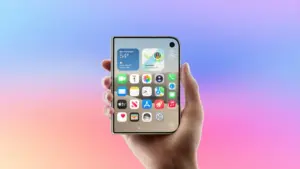
This retail expansion comes at a particularly active time for Apple, as the company prepares for a series of major product launches that will likely redefine its hardware portfolio for the coming year. Industry analysts and enthusiasts are currently focused on the impending launch of the "iPhone Duo," Apple’s highly anticipated foray into the foldable smartphone market, which is expected to debut later this month. The introduction of a foldable device represents one of the most significant design departures in the history of the iPhone, and the new accessory lineup likely includes products designed to accommodate this new form factor.

Furthermore, rumors continue to swirl regarding Apple’s ambitions for a dedicated smart home hub. Often referred to in leaks as the "HomePad" or "HomePod with a display," this rumored device is expected to be unveiled as early as mid-October. According to reports from Bloomberg and other industry insiders, this product would combine the high-fidelity audio of the HomePod with a touch-sensitive display, allowing it to serve as a central command center for the home.
If these rumors hold true, the timing of the Aqara integration becomes even more logical. A smart home hub with a display would benefit immensely from a robust ecosystem of Matter-enabled sensors and thermostats. Being able to visually monitor the data from an Aqara Climate Sensor W100 or adjust the settings of a W200 Thermostat Hub via a central kitchen-mounted display would represent the realization of Apple’s long-term vision for a truly integrated and intuitive smart home.
The addition of these eight products highlights Apple’s ongoing strategy of blending its own innovation with the specialized expertise of third-party manufacturers. By bringing products like the Aqara W200 into its stores, Apple provides its customers with the tools necessary to build a sophisticated, energy-efficient home while maintaining the ease of use that defines the Apple brand. As the industry moves closer to the launch of the iPhone Duo and the potential debut of a new smart home hub, the current retail refresh serves as a foundation for what is shaping up to be a transformative season for Apple and its users.
For now, consumers looking to upgrade their home climate systems have a clear path forward. Whether they choose the premium, Siri-integrated experience of the ecobee or the modern, Matter-forward approach of the Aqara W200, the options available at the Apple Store have never been more comprehensive. As the end of the year approaches, the focus will undoubtedly remain on how these accessories integrate with the next wave of Apple silicon and hardware, further blurring the lines between the devices we carry and the environments in which we live.
 Smart Home & IoT Solutions
Apple Set to Unveil "HomeView" Smart Hub with iMac G4-Inspired Design and A18 Chip at Upcoming "Welcome Home" Event
Apple is preparing to make its most significant leap into the smart...
 Smart Home & IoT Solutions
Apple and LG Reportedly Partnering on New Suite of Smart Home Accessories to Anchor Major Ecosystem Reboot
Apple is poised to significantly accelerate its presence in the domestic technology...
 Smart Home & IoT Solutions
Apple and LG’s Upcoming Smart Home Accessories to Feature Exclusive Dynamic Island Proximity Controls
As Apple prepares for its highly anticipated "Welcome home" special event scheduled...