Afternic, the industry-leading domain name marketplace owned by GoDaddy, has officially announced the wide-scale release of its Portfolio API. Previously restricted or available in a more limited capacity, the API is now accessible to all sellers on the platform, marking a significant shift in how professional domain investors can manage, optimize, and scale their digital asset portfolios. This move is expected to bridge the gap between Afternic’s high-liquidity sales environment and the increasingly sophisticated, data-driven workflows of modern domainers.
The introduction of the Portfolio API represents a strategic move toward greater transparency and technical flexibility within the secondary domain market. By providing a programmatic interface, Afternic is allowing sellers to bypass the traditional manual dashboard and instead interact with their listings through custom-built software, third-party integrations, or automated scripts. For the professional domaining community, this update is more than just a technical convenience; it is a foundational tool for managing large-scale inventories that often span thousands of individual registrations.
The utility of the new API centers on the ability to automate repetitive tasks and leverage real-time data to make informed pricing decisions. In the high-velocity world of domain sales, where market trends can shift rapidly, the ability to update prices or change landing page settings across a vast portfolio in seconds—rather than hours—provides a distinct competitive advantage. Early adopters and technical users have already begun exploring how the API can be used to streamline their operations, with many focusing on two primary areas: the bulk management of listings and the extraction of granular performance data.
While many of these functionalities have been partially addressed by the Afternic Portfolio Agent—a tool designed to help sellers manage their inventories through a more guided, user-friendly interface—the API offers a level of customization that the Portfolio Agent cannot match. While the Portfolio Agent remains a vital resource for the majority of sellers who prefer a "no-code" approach to domain management, the API is tailored for those who require a bespoke solution. This includes high-volume investors, corporate registrar services, and developers building the next generation of domain management platforms.
The value proposition of the Portfolio API is multifaceted. One of its most significant benefits is the ability to integrate Afternic’s marketplace capabilities directly into existing third-party tools. Many professional investors use proprietary dashboards or external portfolio management software to track their holdings across multiple registrars and marketplaces. With the release of this API, these users can now sync their Afternic listings directly with their central command centers, ensuring that pricing and availability are consistent across the entire web without the need for manual cross-referencing.
Furthermore, the API is designed to excel in high-volume environments. For a domainer with a handful of assets, the standard web interface is often sufficient. However, for those managing portfolios that reach into the five or six figures, manual updates are a logistical impossibility. The API allows for the programmatic execution of updates, such as adjusting "Buy It Now" prices based on recent sales trends or updating "Floor" and "Minimum" offer prices to reflect changing market valuations.
Perhaps the most compelling aspect of the API is its synergy with the broader GoDaddy ecosystem. Afternic’s position as a GoDaddy-owned entity allows for a powerful integration with other technical tools provided by the parent company. By combining the Afternic Portfolio API with the GoDaddy Auctions API and the Domains API, sellers can create a fully automated "lifecycle" for their assets. This could involve automatically listing a domain for sale on Afternic the moment it is acquired via auction, or dynamically adjusting a domain’s status based on its upcoming renewal date.
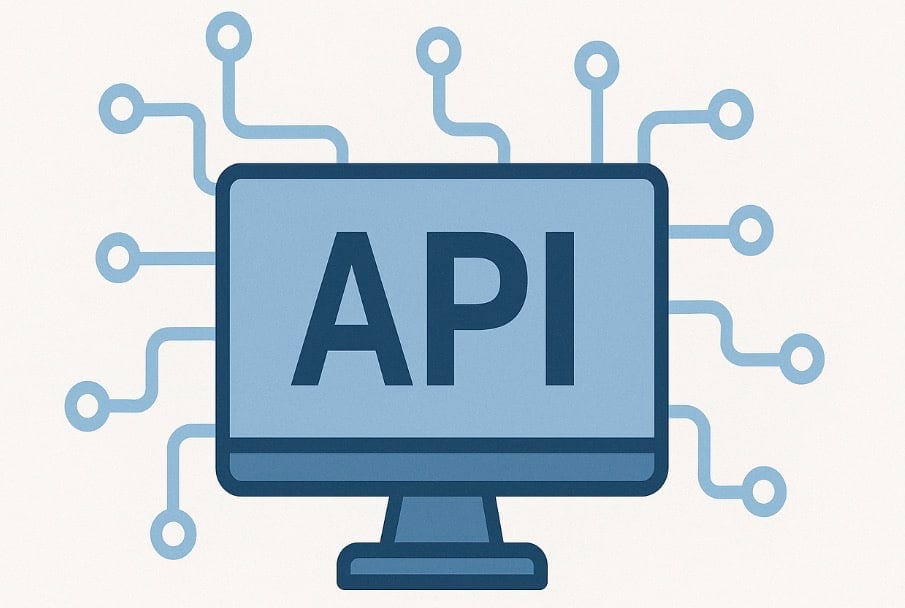
From an analytical standpoint, the API opens up new avenues for data-driven optimization. One innovative application involves the use of trending search data. By pulling search metrics and inquiry data via the API, a seller could develop a custom application that monitors which domains in their portfolio are receiving the most interest from potential buyers. This data could then be used to trigger automated email reports or alerts, notifying the seller of "hot" assets that might benefit from a price adjustment or a more aggressive sales strategy.
The timing of this release also coincides with the rapid advancement of artificial intelligence and Large Language Models (LLMs) in the professional sphere. Domain investors are increasingly turning to AI to assist with everything from appraisal analysis to the generation of marketing copy for their listings. The availability of the Portfolio API provides a new "data bridge" for these AI tools. By feeding the API’s technical documentation into an LLM, an investor can effectively "teach" the AI how to interact with their Afternic account.
A sophisticated user might prompt an AI to analyze their current portfolio performance data and suggest ways to optimize their investing processes. For example, an investor could ask an LLM to identify patterns in successful sales and then use the API to apply those findings across their remaining inventory. This creates a feedback loop where data informs strategy, and the API executes that strategy at scale. However, experts in the field emphasize the importance of security when using these advanced tools. Sellers are cautioned never to share their unique API keys directly within an LLM chat or any public forum, as these keys represent the "master control" for their digital assets and financial listings.
The rollout of the Portfolio API is part of a broader evolution for Afternic. Over the past several years, the platform has undergone a significant transformation, moving away from its legacy infrastructure toward a more modern, streamlined "new Afternic" experience. This transition has focused on improving the speed of the interface, enhancing the mobile experience, and providing sellers with more robust tools to track their leads and negotiations. The release of the API is the logical next step in this evolution, catering to the most technically demanding segment of the market.
For the average domain seller, the core advice remains to explore the Afternic Portfolio Agent first. It provides a powerful suite of tools that handle many of the same tasks—such as bulk price updates and landing page management—without requiring a background in software development. However, for those looking to build custom integrations or manage massive inventories with precision, the Portfolio API represents a new frontier.
As the domain name industry continues to professionalize, the tools available to investors are becoming increasingly sophisticated. The release of the Afternic Portfolio API signifies a move toward an open, integrated ecosystem where data and automation drive the market. By empowering sellers to build their own solutions and integrate with the wider GoDaddy technical stack, Afternic is ensuring that its platform remains the central hub for the global domain secondary market.
The move is expected to be welcomed by the developer community and long-term investors who have long sought more direct ways to interact with Afternic’s sales engine. As more sellers begin to implement the API into their daily operations, the industry may see a shift toward more dynamic pricing models and a more efficient marketplace overall. For now, the door is open for all sellers to explore these new technical possibilities, provided they handle their access credentials with the necessary caution required in an era of high-stakes digital asset management.
 Web Hosting & Domain Management
The Hidden Economy of Expired Domains: Analyzing the June SEO Auction High-Rollers
In the specialized world of domain name investing, a high sale price...
 Web Hosting & Domain Management
Executive Leadership Transition at fTLD: Craig Schwartz to Retire as Search for Successor Begins
The landscape of the specialized domain name industry is preparing for a...
 Web Hosting & Domain Management
Verisign Set to Increase .com Domain Prices on November 1, Prompting Rush for Multi-Year Renewals
Domain name registrants across the globe are facing a narrowing window of...