

Lawmakers are particularly concerned with how AI models are trained. There is a growing movement to prevent tech giants from "hoovering up" copyrighted material and personal data without compensation or consent. For a company like Microsoft, which has integrated AI across its entire product suite from Windows to Office 365, new rules regarding data provenance and safety audits could slow the pace of innovation and increase operational costs. As one of the largest players in the field, Microsoft stands to feel the impact of these regulations more acutely than smaller, more nimble competitors.
The Fiscal Impact of ICE Budget Cuts
Perhaps the most direct financial consequence of the election lies in the shifting priorities of federal law enforcement spending. The midterms saw a surprising consensus among voters regarding the conduct of U.S. Immigration and Customs Enforcement (ICE). While border security remained a key issue, the aggressive tactics employed by the agency under the previous administration alienated a broad swath of the electorate.
Under the Trump administration, ICE’s budget reached unprecedented levels, including a $75 billion supplemental boost in 2025 that dwarfed the budget of the Department of Justice and the FBI. Microsoft has been a significant beneficiary of this spending. Investigations by The Guardian and other outlets revealed that ICE relies heavily on Microsoft’s Azure cloud for data storage and utilizes Microsoft’s sophisticated AI tools for surveillance and data analysis. The agency also uses Microsoft’s suite of productivity tools to manage its daily operations.
The incoming Democratic Congress has signaled its intent to significantly slash ICE’s budget and increase oversight of its operations. As the agency’s funding is reduced, the lucrative contracts held by Microsoft for cloud storage and AI analytics are likely to be among the first items on the chopping block. This represents not only a loss of direct revenue but also a potential public relations relief for Microsoft, which has faced internal pressure from employees and external criticism from human rights groups over its "kinder, gentler" image being at odds with its role in supporting ICE’s most controversial activities.
A New Reality for Big Tech
The conclusion of the midterm elections marks the beginning of a challenging chapter for Microsoft. The company, which had navigated the previous political era by attempting to balance corporate values with administrative cooperation, now finds itself in a position where that balance is no longer sustainable.
The "Blue Tsunami" has ushered in a period where the tech industry will no longer be given the benefit of the doubt. Microsoft must now prepare for a future defined by rigorous congressional testimony, a patchwork of state-level environmental and utility regulations, and a federal government that views Big AI with skepticism rather than unalloyed enthusiasm. For the leaders in Redmond, the task ahead is to adapt to a landscape where the "free ride" for AI development has ended, and the cost of doing business is about to rise.
 Small Business IT & Cloud Computing
Microsoft Unveils Unified Copilot ‘Super App’ to Streamline Enterprise AI Orchestration and Governance
Microsoft has officially launched its highly anticipated Copilot “super app,” marking a...
 Small Business IT & Cloud Computing
Meta Pauses Controversial Enterprise Terms of Service Following Widespread Customer Pushback
In a significant retreat that underscores the growing tension between artificial intelligence...
 Small Business IT & Cloud Computing
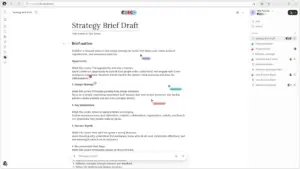
Microsoft Unveils Copilot Workspaces as Strategy Shifts Toward Collaborative, Agent-Led Productivity
At its annual Ignite conference this week, Microsoft signaled a significant evolution...







