
The modern streaming landscape is often defined by a sense of abundance, yet for many subscribers, it is increasingly characterized by a frustrating "now you see it, now you don’t" reality. It is a scenario that has become all too familiar: you spend an evening scrolling through the vast Netflix library, find a title that catches your eye, and dutifully add it to your "My List" for future viewing. However, when the calendar turns and you finally settle in to watch that saved film, you discover a digital ghost where the play button used to be. The movie has vanished, a victim of the complex and ever-shifting world of licensing agreements.
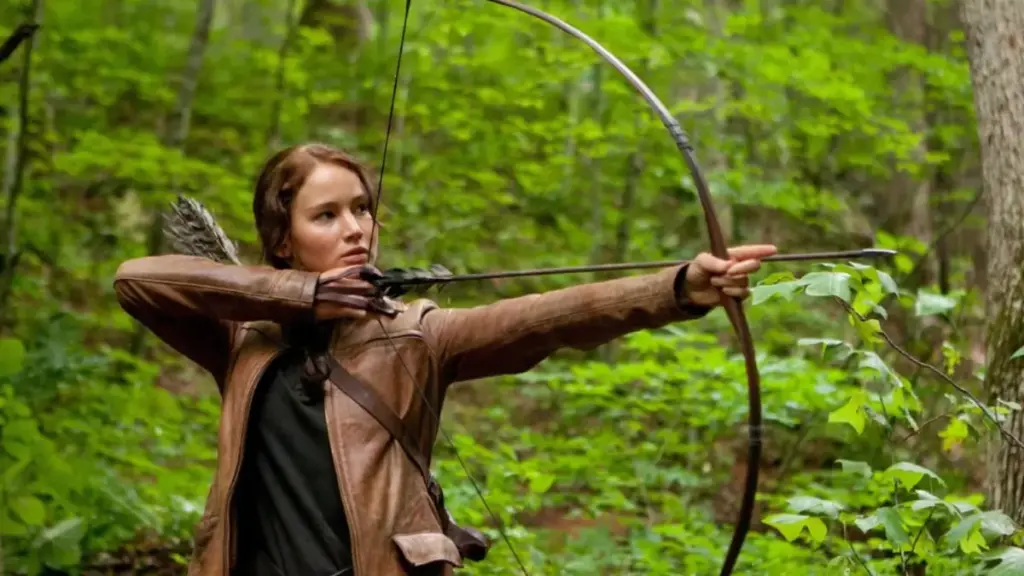
This month, Netflix subscribers are feeling this sting more acutely than usual. Within the last few weeks, the platform has seen the departure of several heavy hitters, including a foundational young adult dystopian franchise, a cult classic New York thriller, and the first seven installments of one of the most successful action sagas in cinematic history. While the loss of these titles from the world’s most popular streaming service is a blow to many, the silver lining is that they have not disappeared from the digital realm entirely. Instead, they have migrated to new homes, with several landing on free, ad-supported streaming television (FAST) platforms.
Understanding where these films have gone requires a look at the broader industry trend of content "windowing" and the consolidation of media libraries. As major studios like Universal and Paramount continue to bolster their own proprietary services, the "revolving door" of content on Netflix is spinning faster than ever.
The Fast & Furious Franchise: A Family Divided Across Platforms
For fans of high-octane action and the enduring theme of "family," the departure of the Fast & Furious movies from Netflix marks the end of an era. The franchise, which began as a relatively grounded story about street racing and DVD player heists, has evolved into a global phenomenon involving international espionage and physics-defying stunts.
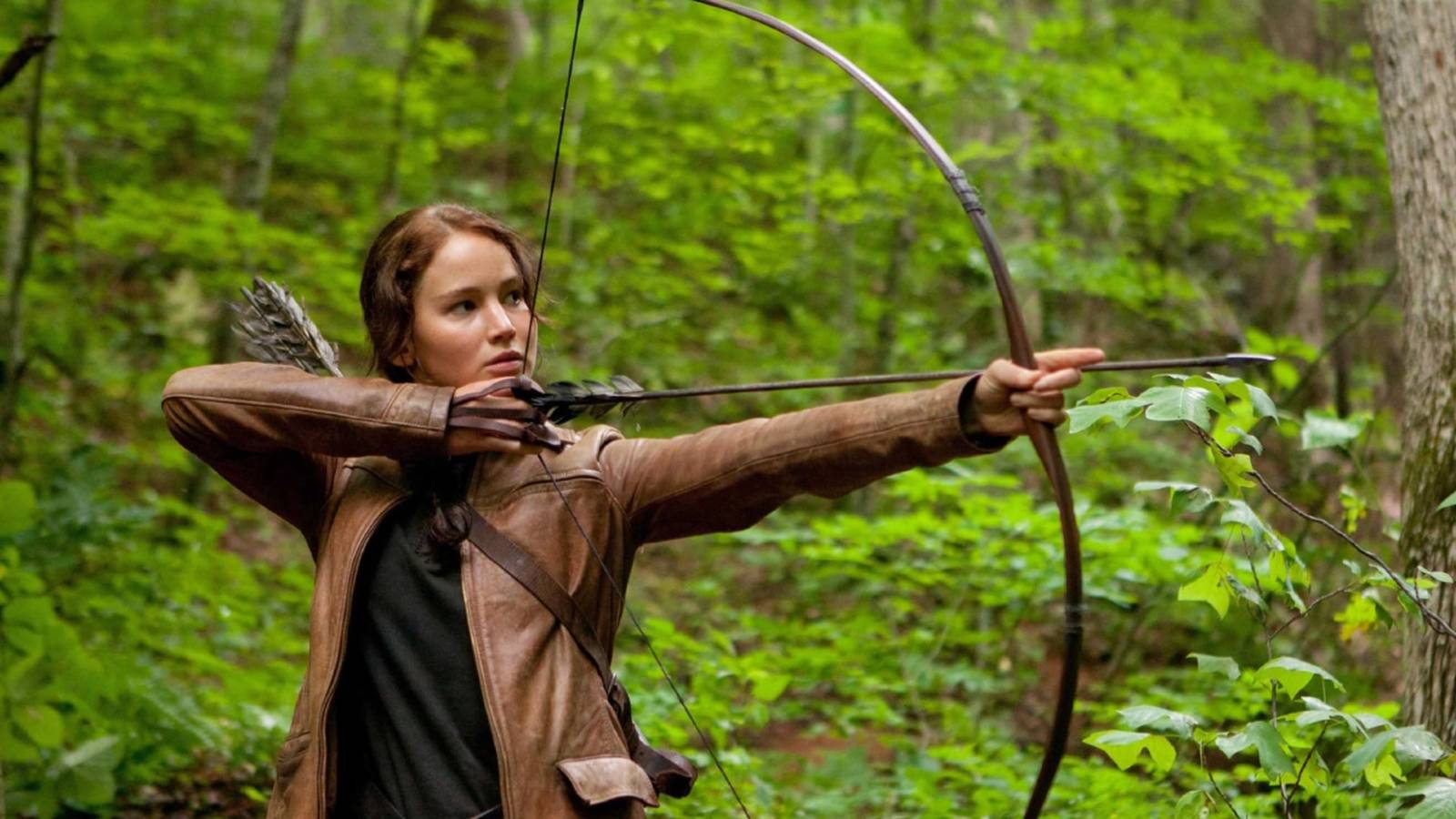
While the later entries in the series have arguably gone off the deep end—featuring moments like Ludacris and Tyrese driving a modified Pontiac Fiero into outer space—the core of the franchise’s appeal remains rooted in its earlier chapters. It is these foundational films, specifically the first seven entries, that have recently exited Netflix. These movies represent the series’ transformation from a niche subculture drama into a blockbuster juggernaut, including the pivotal Fast Five, which reinvented the franchise as a heist-centric ensemble, and Furious 7, which served as a poignant farewell to the late Paul Walker.
For those looking to revisit the origins of Dominic Toretto and Brian O’Conner, the search will now lead primarily to Peacock. As the streaming arm of NBCUniversal, Peacock is increasingly becoming the exclusive home for Universal Pictures’ biggest intellectual properties. Currently, the first five Fast & Furious movies are available to stream on Peacock. This migration is particularly timely, as the platform is reportedly developing a Fast & Furious television series to further expand the brand.
However, the "family" is currently somewhat fragmented. While the first five films are settled at Peacock, Fast & Furious 6 and Furious 7 have not yet landed on a subscription-based streaming service and currently require a digital rental or purchase. For those looking for a deep-cut recommendation, now may be the perfect time to revisit Tokyo Drift, a film that has gained a surprising amount of critical reappraisal over the years, even earning the public admiration of acclaimed filmmaker Christopher Nolan.
Boyhood: Richard Linklater’s Twelve-Year Odyssey Finds a New Home
In the realm of prestige cinema, few losses are as notable as Richard Linklater’s Boyhood. Leaving Netflix this past October, the film remains one of the most ambitious undertakings in the history of the medium. Unlike traditional films that use different actors to portray characters at various ages, Linklater shot Boyhood over the course of 12 years, using the same cast to capture the literal aging process of its protagonist.
The film follows Mason Evans Jr., played by Ellar Coltrane, from the age of six to eighteen. It is a remarkable achievement that eschews traditional melodramatic plot points in favor of the small, quiet moments that define a human life. While Linklater is often celebrated for the hangout vibes of Dazed and Confused or the philosophical romanticism of the Before trilogy, Boyhood stands as his most original technical feat.
 Tech Tutorials & How-To Guides
The USB-C Power Revolution: How Modern Portable Batteries are Redefining Device Mobility
For decades, the Universal Serial Bus, or USB, was viewed primarily through...
 Tech Tutorials & How-To Guides
Netflix Bolsters November Lineup with High-Stakes Thrillers and the Return of Fan-Favorite Dramas
As the final months of 2026 approach, Netflix is signaling that it...
 Tech Tutorials & How-To Guides
Netflix Expands November Library With High-Stakes Thrillers and Award-Winning Classics
As the autumn chill settles in and the entertainment industry shifts its...







