
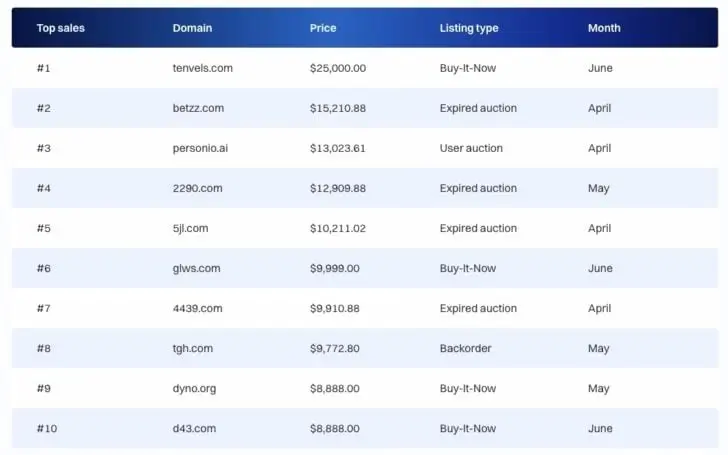
In a comprehensive release that provides a rare glimpse into the high-volume mechanics of the domain name secondary market, registrar Dynadot has published its Quarterly Intelligence Report for the second quarter. The data, which tracks more than 54,000 individual aftermarket transactions, highlights a market characterized by massive liquidity at the lower end of the price spectrum and a significant concentration of wealth at the very top. While the sheer number of sales suggests a bustling ecosystem, the underlying figures reveal that the vast majority of the activity involves low-cost acquisitions, largely driven by the expired domain auction process.
The sheer scale of the 54,000 sales reported by Dynadot is a testament to the registrar’s significant footprint in the industry. However, industry analysts and investors must look past the headline figure to understand the composition of these sales. A critical takeaway from the report is that these figures include the company’s expired domain sales. When a registrant fails to renew a domain name, it typically enters an auction phase where speculators and end-users can bid on the rights to the name before it is released back to the general pool for fresh registration. This process accounts for the lion’s share of the volume seen in the Q2 data.
The dominance of the expiry market is most clearly reflected in the median sale price for the quarter, which stood at a modest $18.87. This figure indicates that half of all sales occurred at or below this price point, which is only slightly higher than the standard annual registration and renewal fees for many popular top-level domains (TLDs). This low median price underscores the fact that the bulk of the market is not comprised of high-stakes negotiations for premium digital real estate, but rather the steady, automated, and high-volume churn of expired assets being reclaimed by the market.
Further breaking down the pricing tiers, the report reveals a stark disparity between volume and revenue. Nearly 89% of all sales during the second quarter were closed for less than $50. While these thousands of small-scale transactions represent the vast majority of the work being done on the platform, they accounted for only a third of the total aftermarket sales revenue. This segment of the market is often populated by domain "flippers" looking for quick, low-margin turnovers, or individuals seeking affordable names for small projects and personal use.
In contrast, the top tier of the market—those sales exceeding $1,000—represented less than 1% of the total number of orders. Despite their rarity, these premium transactions contributed a full third of the overall aftermarket revenue for the quarter. This "power law" distribution is a common feature of the domain industry, where a handful of high-value assets, often short, memorable, or keyword-rich .com domains, provide the financial backbone for the entire aftermarket. It highlights the dual nature of domaining: a high-volume, low-margin "grind" at the bottom, and a low-volume, high-stakes "luxury" market at the top.
 Web Hosting & Domain Management
The Hidden Economy of Expired Domains: Analyzing the June SEO Auction High-Rollers
In the specialized world of domain name investing, a high sale price...
 Web Hosting & Domain Management
Taylor Swift Files Application for Exclusive Top-Level Domain Name in Global Internet Expansion
In a move that further solidifies her status as a pioneer in...
 Web Hosting & Domain Management
WIPO Panel Rebukes Temperley Holdings in Attempted Takeover of Founder’s Personal Domain Name
In a significant ruling that underscores the complexities of personal branding and...







