
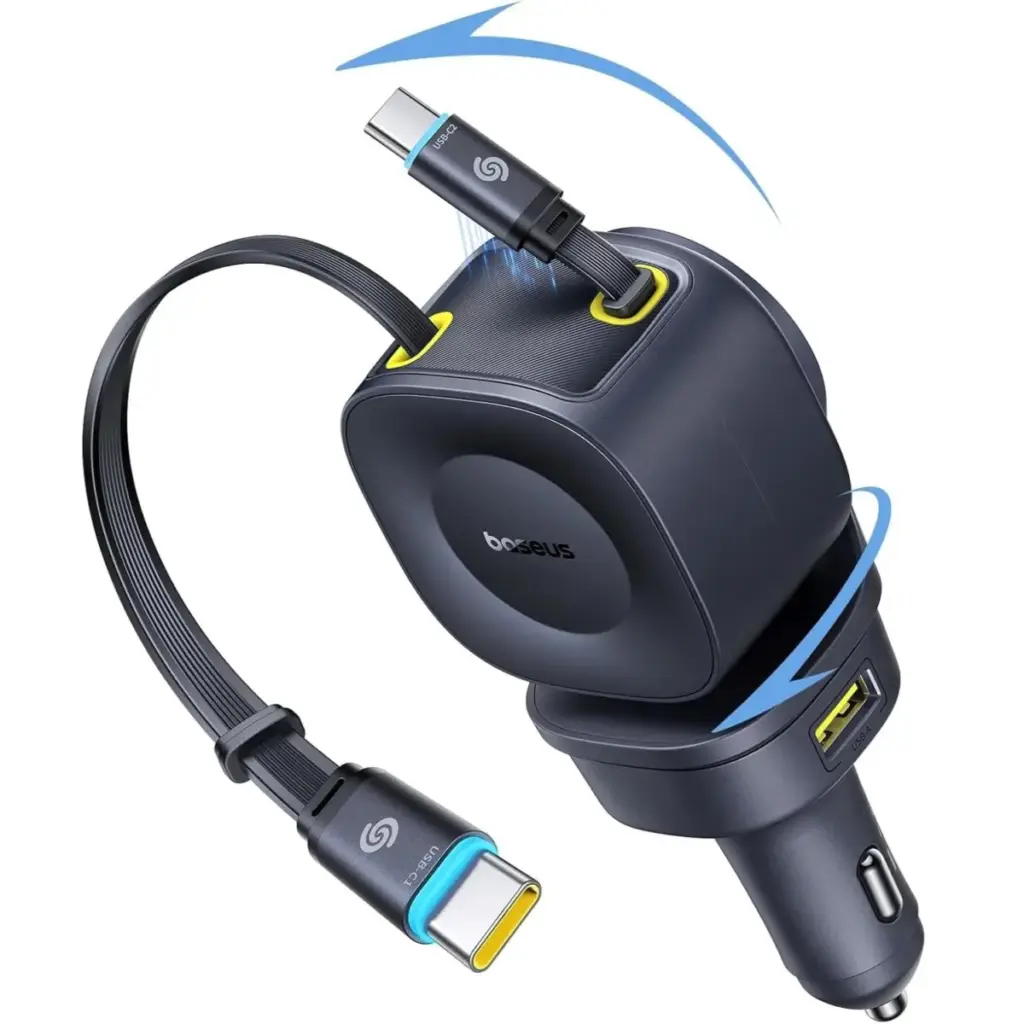
In the rapidly evolving landscape of mobile technology, the way we power our devices while on the road has undergone a significant transformation. For years, the humble car charger was a simple, low-output accessory designed merely to keep a smartphone battery from depleting while using GPS navigation. However, as our digital lives have expanded to include power-hungry laptops, tablets, handheld gaming consoles, and smartphones with massive batteries, the standard 5W or 10W USB port in a vehicle’s dashboard is no longer sufficient.
Today’s mobile professionals and families are increasingly looking toward high-output solutions. While wireless car chargers have seen a surge in popularity due to the convenience of magnetic mounting and the advent of the Qi2 standard, they often fall short during long-haul journeys. Wireless charging, while aesthetically pleasing and cable-free, is inherently limited by thermal constraints and lower wattage ceilings—usually topping out around 15W for most consumer devices. This is adequate for a short commute, but for those embarking on cross-country trips or needing to charge a MacBook Pro or a Chromebook between meetings, wired charging remains the undisputed king.
To meet this demand, a new category of "super chargers" has emerged, capable of delivering 100W or more from a standard cigarette lighter socket. These devices utilize advanced Power Delivery (PD) protocols and sophisticated thermal management to ensure that multiple high-drain devices can be charged simultaneously at peak speeds. Among the sea of generic accessories, three brands have consistently risen to the top of the industry: Anker, Baseus, and UGREEN. Through rigorous hands-on testing and a proven track record of reliability, these manufacturers have defined the current gold standard for high-wattage vehicle power.
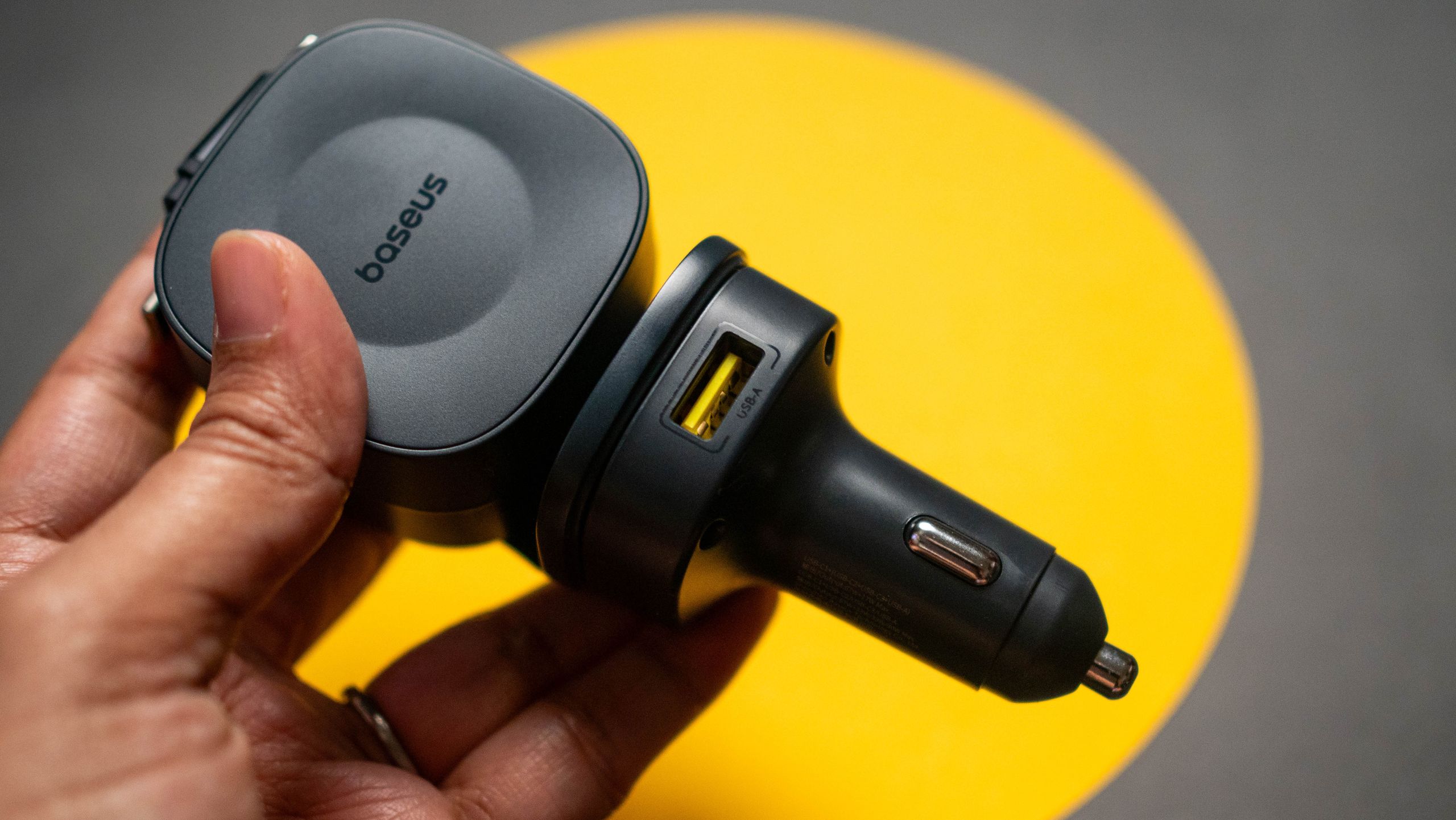
Anker Nano Car Charger (167.5W, 3 Ports)
Anker has long been a household name in the charging industry, often credited with popularizing Gallium Nitride (GaN) technology which allows for smaller, more efficient power bricks. With the Anker Nano Car Charger (167.5W, 3 Ports), the company has packed an incredible amount of utility into a compact frame that belies its massive power output.
The primary appeal of this specific model lies in its intelligent power distribution. The charger features a tri-port configuration consisting of two USB-C ports and a single USB-A port. In an era where most manufacturers are moving away from legacy connectors, the inclusion of a USB-A port remains a thoughtful touch for users who still rely on older cables for dash cams or legacy accessories.
When it comes to raw performance, the Anker Nano is designed to handle a full mobile workstation. The primary USB-C port is rated for a 100W output, which is the magic number for most high-end laptops. This allows a user to charge a 16-inch MacBook Pro or a high-performance Windows ultrabook at near-wall-outlet speeds while driving. The second USB-C port provides a dedicated 45W of power, which is perfectly tuned for Samsung’s Super Fast Charging 2.0 protocol or for quickly topping up an iPad Pro. Meanwhile, the USB-A port provides a steady 22.5W, ideal for a secondary smartphone or a set of wireless earbuds.
 Mobile Device Management (MDM) & Mobile OS
Google’s New Vision for Computing: A Hands-On Look at the First Generation of Googlebooks
For years, the tech industry has buzzed with rumors that Google was...
 Mobile Device Management (MDM) & Mobile OS
Samsung Reportedly Developing ‘Galaxy Studio’ Over-Ear Headphones to Challenge Apple and Sony
For nearly a decade, the premium over-ear headphone market has been defined...
 Mobile Device Management (MDM) & Mobile OS
Google Unveils Android Bench 2.0 to Evaluate AI Performance on Complex, Long-Horizon Development Tasks
In a significant move to refine how artificial intelligence interacts with the...







