

Physical security is another area where DAS is uniquely vulnerable. Because these devices are often small and portable, they are susceptible to physical theft. An external hard drive can be easily pocketed, and a laptop containing sensitive DAS can be stolen from an unsecured office, a vehicle, or a public space. Unlike networked systems that might have remote-wipe capabilities, a stolen DAS device often provides the thief with immediate, offline access to the data unless robust encryption is in place.
Finally, the maintenance of the host’s Operating System (OS) is a critical factor. An unpatched or outdated OS cannot provide a secure environment for the attached storage. Without regular updates to defend against known exploits, the "bridge" between the user and the data becomes the weakest link in the chain. When combined with insufficient access controls and a lack of regular backup copies, the data on a DAS device becomes irretrievable if the hardware is lost or the system is compromised.
The Complex Risks of Network Attached Storage
While DAS security is largely about protecting the host, Network Attached Storage security is about protecting the network and the NAS device’s own internal management systems. NAS arrays are often described as a "gold mine" for data thieves because they centralize vast amounts of enterprise data into a single, accessible location.
The very feature that makes NAS valuable—its network connectivity—is also its greatest vulnerability. Connecting a NAS device to an open or poorly protected network using outdated protocols (such as older versions of SMB or FTP) can expose the entire file system to external actors. Ransomware groups, in particular, have refined their tactics to target NAS systems specifically, knowing that a successful breach here can paralyze an entire organization.
Modern NAS arrays from leading vendors like Synology or NetApp are essentially specialized computers running their own proprietary operating systems. These systems have their own management consoles and web interfaces, which introduces a new layer of risk. Just like a standard PC, a NAS OS has vulnerabilities that must be patched. If an administrator fails to update the NAS firmware, the device remains open to exploits that can bypass traditional security layers.
The human element remains one of the most significant threats to NAS environments. Misconfiguration is a common pitfall; an administrator might inadvertently leave a folder "public" or fail to restrict administrative privileges to a small group of verified users. Furthermore, employees within the network can become accidental conduits for threats. Whether through password mismanagement or the opening of malicious email attachments, human error can grant a threat actor the credentials needed to navigate the NAS file structure.
Because NAS systems are frequently connected to the internet to allow for remote file sharing and cloud synchronization, they are also exposed to internet-based vulnerabilities. Without a robust firewall and strict access control policies, a NAS can be targeted by automated bots scanning for open ports or unsecured web management pages.
 Enterprise Tech & Infrastructure
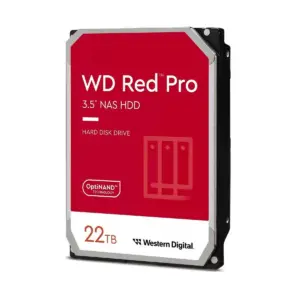
The Pillars of Data Infrastructure: A Comprehensive Review of 2023’s Top Enterprise Hard Drives
In the modern corporate landscape, data storage is no longer a secondary...
 Enterprise Tech & Infrastructure
Navigating the Shift to Software-Defined Storage: Essential Strategies for Modern Enterprise Data Management
The landscape of enterprise data storage is undergoing a fundamental transformation. As...
 Enterprise Tech & Infrastructure
Cadence Systems Accelerates Chip Design Revolution with Maestro AI and Specialized Super Agents
The landscape of semiconductor engineering is undergoing a fundamental transformation as generative...







