

Magnetic tape drives represent one of the oldest forms of digital storage, yet they remain indispensable for large-scale enterprise archiving. A single tape can store massive amounts of data for up to 30 years at a very low cost. The trade-off is speed; because tape is a sequential medium, the drive must physically wind the tape to the correct location to access a specific file, making it unsuitable for daily tasks but perfect for long-term records.
For organizations managing petabytes of information, storage arrays provide a centralized solution. These systems combine dozens or even hundreds of HDDs and SSDs into a single managed entity. This allows for high-speed, reliable access to data across a network, often utilizing dedicated interfaces for remote management.
Similarly, Network Attached Storage (NAS) provides file-based storage that is accessible to multiple users across a local network. NAS is particularly effective for collaborative environments where team members need to access and edit the most current version of a shared file simultaneously.
The Shift Toward Cloud Storage
The most recent frontier in secondary memory is cloud storage. In this model, data is stored on remote servers managed by third-party providers and accessed via the internet. Cloud storage removes the need for local hardware maintenance and allows users to access their files from any device with a connection. For businesses, this offers a scalable solution where storage capacity can be increased or decreased on demand, though it introduces a dependency on consistent internet connectivity and third-party security protocols.
Distinguishing Volatile and Non-Volatile Systems
The fundamental divide in computer memory remains the distinction between volatile and non-volatile systems. Volatile memory, such as RAM, is the engine of speed, facilitating the rapid-fire data exchanges required for modern software to function smoothly. Its temporary nature is a design feature, allowing the system to clear its "scratchpad" every time it restarts, ensuring a fresh start for the processor.
Non-volatile memory, including HDDs, SSDs, and ROM, provides the stability required for a digital world. It is the bedrock upon which the software environment is built, ensuring that a user’s work and the computer’s essential operating instructions remain safe through power cycles and hardware migrations.
As technology continues to evolve, the lines between these categories occasionally blur—such as with the advent of high-speed non-volatile memory express (NVMe) storage—but the core hierarchy remains. Balancing the lightning-fast performance of primary memory with the vast, economical capacity of secondary storage is the key to efficient computing. Understanding these differences allows both individuals and enterprises to make informed decisions about their hardware, ensuring that their data is always accessible, secure, and managed with maximum efficiency.
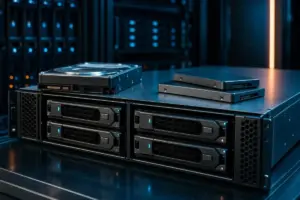 Enterprise Tech & Infrastructure
The Architecture of Performance and Redundancy: A Deep Dive into RAID 10 Operations and Implementation
In the modern data center, the quest for the optimal balance between...
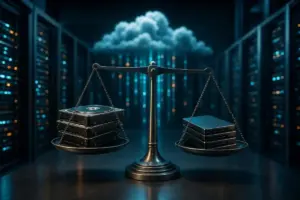 Enterprise Tech & Infrastructure
Mastering Amazon S3 Cost Control: Why the Per-Gigabyte Rate Is Only the Beginning of the Bill
In the landscape of enterprise cloud infrastructure, the Amazon S3 storage bucket...
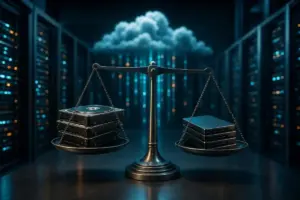 Enterprise Tech & Infrastructure
Navigating the Financial Realities of Enterprise Cloud Storage: A Comprehensive Analysis of Amazon S3 Cost Management
In the rapidly evolving landscape of enterprise cloud infrastructure, the management of...







