In addition to improved prompt comprehension, GPT-6.2 Sol features advancements in real-time information retrieval and web browsing functionality. When tasked with locating information across the internet, the updated model is designed to better analyze, filter, and prioritize digital search results based on explicit user criteria. Rather than returning generic web summaries, GPT-6.2 Sol exhibits improved judgment in matching online options to a user’s stated priorities, preferences, or operational requirements. This enhanced search synthesis allows the model to deliver more precise recommendations, whether searching for specific online details, evaluating commercial options, or sifting through complex online sources.
Another functional evolution introduced in the Chat tab version of GPT-6.2 Sol is its heightened contextual awareness regarding follow-up interactions. Unlike earlier iterations that relied almost entirely on static user prompts, GPT-6.2 Sol has been engineered to be smarter about when to offer follow-up information after a conversation has concluded. For instance, if a user conducts a query regarding a specific product or service, the model can now evaluate whether it is appropriate to suggest a follow-up notification, such as issuing an alert regarding a price drop or updating the user on related developments over time. This push toward contextual proactivity is intended to transform the Chat interface into a more dynamic and responsive personal assistant.
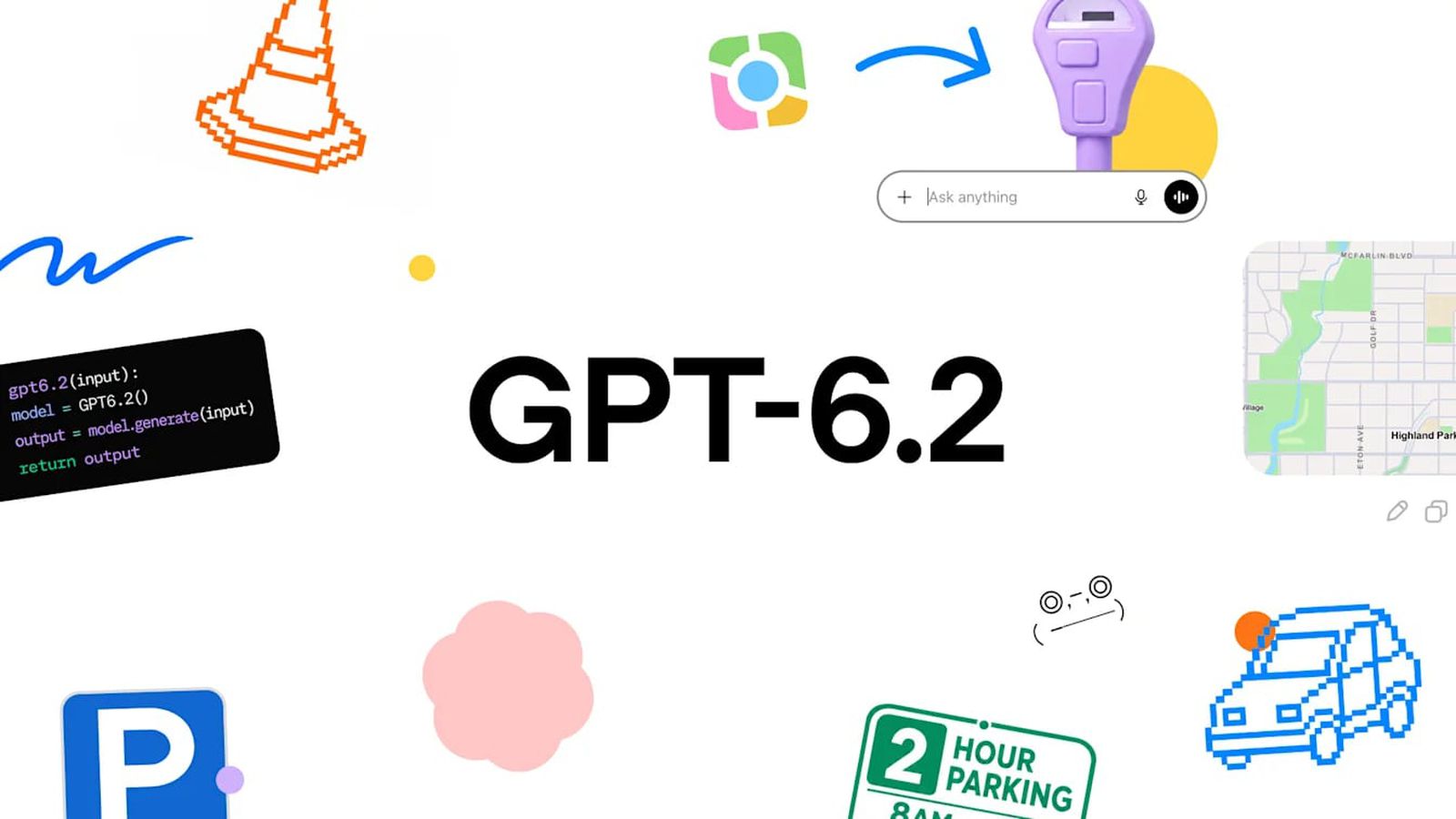
Beyond text processing and web research, GPT-6.2 Sol represents a notable upgrade in multi-modal vision capabilities compared to the baseline GPT-6 model. OpenAI’s updated vision processing allows GPT-6.2 Sol to detect and interpret significantly finer details within uploaded photographs and imagery. In practical terms, the model demonstrates far greater accuracy in identifying subtle visual elements that previously posed challenges, such as small or fine symbols on street signs, dense text on product packaging labels, and intricate details within complex visual scenes. This improved visual granularity allows users to rely on the assistant for precise optical recognition tasks across a broader array of everyday scenarios.
Alongside core functional upgrades, OpenAI has placed a major emphasis on safety and policy enforcement with the release of GPT-6.2 Sol. Quantitative evaluations conducted by OpenAI reveal a substantial improvement in the model’s adherence to safety guidelines during difficult or challenging interactions. In internal benchmarks measuring compliance in challenging conversation scenarios, GPT-6.2 Sol achieved an adherence rate between 91 percent and 94 percent. This represents a significant leap forward from the baseline GPT-6 model, which recorded safety policy compliance rates ranging between 77 percent and 80 percent under similar testing parameters.
 macOS & Apple IT Support
Early Black Friday 2026 Apple Deals Hit Record-Low Prices Across Mac, iPhone 18, Apple Watch, and Accessories
With Black Friday approaching on Friday, November 27, 2026, the annual holiday...
 macOS & Apple IT Support
Apple Expands watchOS 27.0.1 Update to All Compatible Apple Watch Models Following Targeted Initial Patch
Apple has officially broadened the distribution of watchOS 27.0.1, making the software...
 macOS & Apple IT Support
Apple Unveils New Smart Home Portfolio as iPhone Duo Pre-Orders Slip into 2027 Ahead of October Media Event
Apple’s busy autumn product schedule reached a fever pitch this week as...