

Acknowledging that many AI initiatives stall at the implementation phase, Microsoft is investing in long-term relationships that involve high-touch support. This includes the deployment of "Forward Deployed Engineers"—technical specialists who work directly alongside customer teams to build solutions and navigate the complexities of integration. This model, often seen in specialized defense and data analytics sectors, represents a shift toward a more collaborative, "skin-in-the-game" approach to enterprise software.
Furthermore, Microsoft is positioning itself as a "practitioner-leader," sharing the lessons it has learned from its own internal AI transformation and its ongoing research. By providing a roadmap based on real-world industry experience, the company aims to help customers avoid common pitfalls in change management.
Spataro characterizes Microsoft’s stance as "purposefully understated." In a market often driven by flashy demos and hyperbolic marketing, the focus is being redirected toward the "systems that show up every day and do the job." The underlying philosophy is one of human agency—the belief that AI should be used to expand what people can achieve, rather than narrowing their roles. By providing the platform, the economic framework, and the necessary partnership, Microsoft is betting that the real value of AI will be found in the quiet, consistent work that moves a business forward.
As the industry moves into this next phase, the focus shifts from what the models can do to what the models are doing. For Microsoft, the goal is to move past the noise and ensure that AI becomes a foundational, economically viable component of the modern enterprise. The success of this strategy will likely depend on how effectively businesses can adopt these new tools to solve their most complex problems while maintaining a clear view of the costs and human impact involved.
Through this structured approach to platform flexibility, economic transparency, and deep partnership, Microsoft is attempting to provide a stabilized path through the "sound and fury" of the AI era, focusing on the people and processes that define the future of work.
 Productivity Software & Office Suites
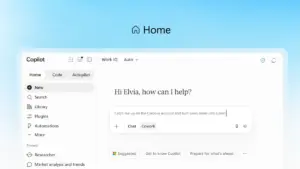
Microsoft Reimagines Copilot as a Central Hub for AI-Driven Enterprise Productivity
In a significant move to redefine the landscape of modern work, Microsoft...
 Productivity Software & Office Suites
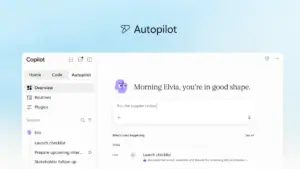
Microsoft Reimagines Copilot as a Centralized Engine for the Future of AI-Driven Work
In a major strategic shift aimed at redefining the intersection of human...
 Productivity Software & Office Suites
Microsoft Unveils Strategic Roadmap for Enterprise AI, Emphasizing Agentic Workflows and Hybrid Pricing Models
In an era defined by a relentless cycle of artificial intelligence breakthroughs...







