

To handle usage-based costs, Microsoft has introduced "Copilot Credits." This shared currency aggregates AI operations across the platform, allowing agentic capabilities—such as Copilot Cowork—to draw from a single, unified meter. This system is designed to give leadership complete visibility into spending patterns, allowing them to set limits and manage budgets before invoices are finalized. By providing a "one-meter" approach, the company aims to make the economics of AI as manageable as traditional software expenditures.
Partnership
Despite the focus on models and pricing, Microsoft maintains that the most significant hurdle to AI adoption is not the technology itself, but the human and organizational change required to implement it. Rewiring how work gets done and building trust in automated systems are tasks that often cause corporate AI initiatives to stall.
Recognizing that these challenges cannot be solved by technology alone, Microsoft is positioning itself as a long-term partner rather than a mere vendor. This strategy includes the deployment of "Forward Deployed Engineers" who work alongside customer teams to craft and execute tailored implementation plans. This hands-on approach is intended to help organizations navigate the complexities of digital transformation and ensure that AI tools are integrated effectively into existing workflows.
The company also emphasizes a commitment to transparency, sharing insights gained from its own internal AI transformation, as well as findings from its extensive research and work with organizations across various industries. Spataro describes this as a "skin in the game" partnership, where Microsoft’s success is directly tied to the successful outcomes of its clients.
A central theme of this partnership is the concept of human agency. Microsoft’s stated conviction is that AI should expand, rather than narrow, the capabilities of the workforce. The goal is to provide employees with better tools that enable them to take on more complex problems and perform higher-value work. By focusing on the "people that move your business forward," Microsoft aims to position AI as a catalyst for human potential rather than a replacement for it.
In a market often driven by flashy demonstrations and hyperbole, Spataro characterizes Microsoft’s approach as "purposefully understated." The company’s focus remains on building systems that perform reliably day in and day out, acknowledging that the work required to run a global enterprise does not reward hype. The ultimate objective, according to Microsoft, is to provide the platform, the economic framework, and the collaborative support necessary for businesses to make AI matter where it counts most: in the daily work and the long-term growth of the organization.
 Productivity Software & Office Suites
Microsoft Shifts Focus to Enterprise AI Utility: A New Strategic Framework for Agents, Economics, and Partnership
In an era defined by a relentless cycle of artificial intelligence breakthroughs,...
 Productivity Software & Office Suites
Microsoft Unveils the "New Copilot": A Strategic Shift Toward Proactive AI Agents and Integrated Productivity
In a significant move to redefine the landscape of digital labor, Microsoft...
 Productivity Software & Office Suites
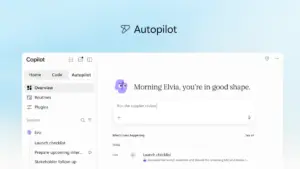
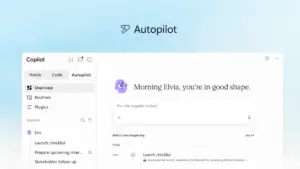
Microsoft Reimagines Copilot: New "Autopilot" and "Code" Features Lead a Major Shift Toward Agentic Work
In a significant pivot toward the next era of enterprise productivity, Microsoft...







