
In the modern professional landscape, the transition from a high-stress office environment to the sanctuary of the home is a vital ritual for mental well-being. Some workdays conclude with a sense of accomplishment, while others end in what can only be described as a metaphorical "dumpster fire." For those instances where the weight of deadlines and corporate friction becomes overbearing, the role of digital entertainment as a tool for decompression cannot be overstated.
Derek Malcolm, a veteran journalist with over two decades of experience covering the intersection of technology and entertainment, has long advocated for the therapeutic power of the "binge-watch." Having previously identified various miniseries suited for post-work recovery, Malcolm has now turned his attention to the realm of feature-length comedy. Currently available on Netflix in the United States, these four selections offer a diverse range of humor—from biting British satire to nostalgic 1980s slapstick—designed to provide a necessary reprieve before the start of the next business day.
4. Cunk on Life
Life’s biggest questions meet their worst possible interviewer
The mockumentary format has seen a significant resurgence in recent years, but few performers have mastered the art of the "hapless investigator" as effectively as Diane Morgan. Following the global success of the series Cunk on Earth, Morgan returns as the brilliantly uninformed Philomena Cunk in the feature-length special, Cunk on Life. Originally a character developed for Charlie Brooker’s various BBC programs, Cunk has become a cultural phenomenon by navigating the world’s most complex subjects with a level of confidence that is entirely unearned.
In Cunk on Life, the titular protagonist expands her horizons beyond historical milestones to tackle the most profound philosophical and scientific questions facing humanity: the meaning of existence itself. The genius of the "Cunk" format lies in its use of real-world experts. These are not actors; they are genuine professors and historians who are placed in the unenviable position of having to answer absurd questions with a straight face.
Watching an academic attempt to explain the Big Bang to a woman who refers to it as the "Big Bang Gang" or who treats artificial intelligence with the same analytical rigor one might apply to a kitchen appliance is a masterclass in cringe-induced comedy. The humor is derived not just from Cunk’s non-sequiturs, but from the visible struggle of her interviewees to maintain their professional dignity. For a viewer coming off a day of corporate jargon and senseless meetings, there is something deeply cathartic about watching the world’s most serious topics dismantled by a woman who is consistently and confidently wrong.

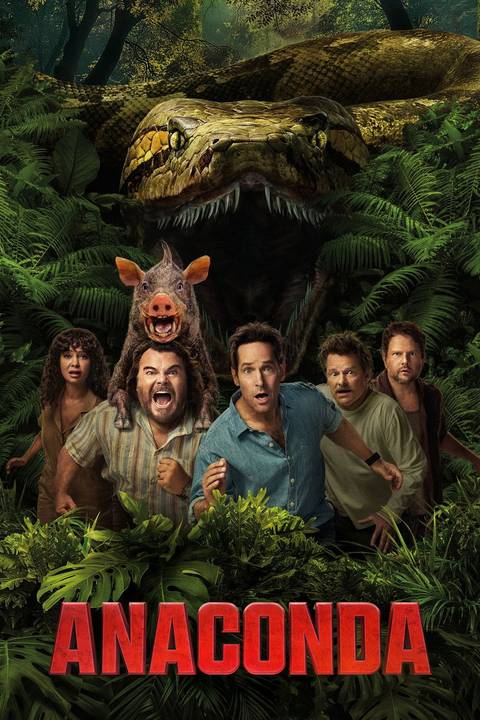
3. Anaconda
Middle-aged movie buffs versus one enormous snake
The concept of the "meta-comedy"—a film that is aware of its own tropes and the history of cinema—has become a staple of the 21st-century comedy landscape. The latest entry into this subgenre is the 2025 reimagining of Anaconda. Rather than a traditional horror-thriller about a giant predator, this version serves as a comedic homage to the "best bad movies" of the 1990s.
The narrative follows Doug, played by Jack Black, a wedding videographer who has largely abandoned his youthful aspirations of becoming a prestigious filmmaker. His life takes an unexpected turn when his best friend Griff, a struggling actor portrayed by Paul Rudd, claims to have secured the remake rights to the 1997 cult classic Anaconda. Driven by a mixture of desperation and nostalgia, the duo decides to produce the film on a shoestring budget.
To save on costs, they recruit their childhood friends—Kenny (Steve Zahn) and Claire (Thandiwe Newton)—and travel to the actual Amazon rainforest to use it as a "free" set. The comedy stems from the group’s complete lack of preparation for the realities of the jungle. The situation escalates from a DIY film project to a genuine survival scenario when a very real, very hungry giant snake interrupts the production. The chemistry between Black and Rudd provides a solid foundation for the film’s silliness, and the inclusion of original Anaconda star Ice Cube, appearing as himself, adds an extra layer of self-referential charm. It is a film that requires little intellectual heavy lifting, making it an ideal choice for a Wednesday evening when one’s mental bandwidth is at its lowest.
2. High Fidelity
Heartbreak, ranked like a record-store top five
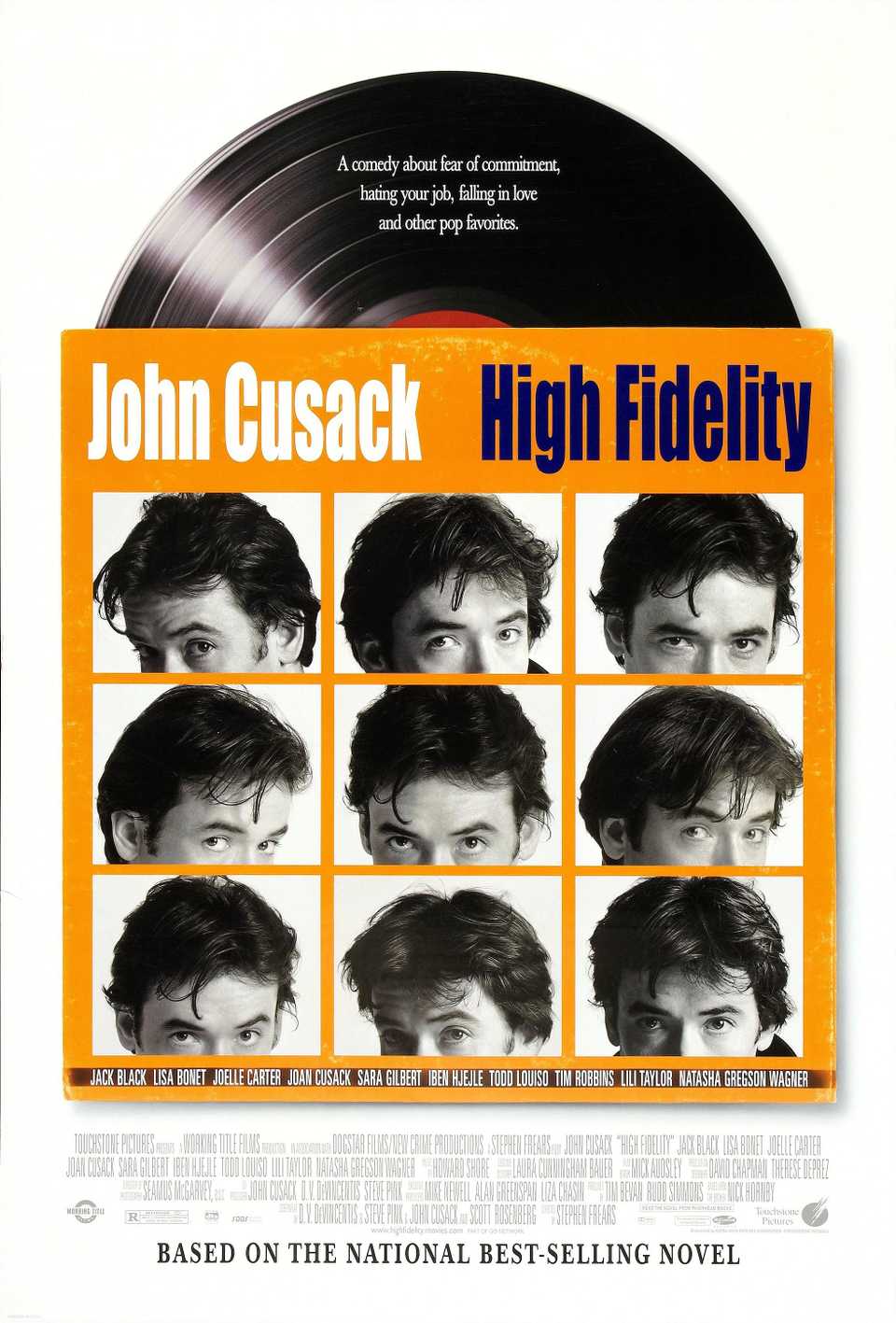
For those whose tastes lean toward the intellectual and the musical, the 2000 adaptation of Nick Hornby’s novel High Fidelity remains a cornerstone of the romantic comedy genre. Directed by Stephen Frears, the film stars John Cusack as Rob Gordon, the owner of Championship Vinyl, a struggling record store in Chicago. Rob is the quintessential "music snob," a man who views the world through the lens of Top 5 lists and B-sides.
The film begins with Rob in the midst of a midlife crisis, triggered by his longtime girlfriend Laura (Iben Hjejle) moving out of their apartment. In an attempt to understand why his romantic life is a perpetual failure, Rob decides to track down his "Top 5 All-Time Most Memorable Breakups." This narrative device allows the film to explore themes of maturity, obsession, and the way we use pop culture to shield ourselves from the vulnerabilities of real life.
While Cusack delivers a career-defining performance, the film is frequently stolen by Jack Black in his breakout role as Barry, one of Rob’s two "musical moron" employees. Barry’s aggressive elitism and encyclopedic knowledge of obscure bands provide much of the film’s energy. High Fidelity is more than just a comedy; it is a love letter to the era of physical media and the specific type of camaraderie found in independent shops. For the viewer, it offers a soothing, rhythmic experience, bolstered by a soundtrack that famously made the Beta Band a household name for a new generation of listeners. It is a sophisticated choice for a Thursday night, offering both laughs and a sense of introspective comfort.
1. Uncle Buck
John Candy and Macaulay Culkin are comedy gold
As the work week draws to a close on Friday, there is often a desire for "comfort food" cinema—films that are familiar, warm, and unapologetically funny. In this category, the 1989 classic Uncle Buck stands as a titan. Written and directed by the legendary John Hughes, the film showcases the late John Candy at the absolute height of his comedic powers.
Candy stars as Buck Russell, a cigar-smoking, gambling, unemployed bachelor who lives a life of disorganized freedom in a cluttered apartment. He is the relative that the family only contacts in the event of an absolute catastrophe. When a family emergency forces the Russell parents to leave town, Buck is recruited as a last-resort babysitter for his brother’s three children.
The film’s heart lies in the interaction between Buck and the kids, particularly the precocious Miles, played by a young Macaulay Culkin. Their rapid-fire interrogation scene remains one of the most celebrated moments in comedy history. While Buck initially struggles with the basics of domestic life—notably preparing a mountain of giant pancakes using a snow shovel—he eventually proves to be a more capable guardian than his reputation suggests.
The conflict with the eldest daughter, Tia (Jean Louisa Kelly), provides the film’s emotional stakes, as Buck must protect her from her opportunistic boyfriend, "Bug." Despite his rough exterior and his backfiring Mercury Marquis, Buck’s inherent goodness eventually wins over the household. Uncle Buck is a reminder of the era of earnest, character-driven comedies that defined the late 80s. It is a perfect Friday night selection, offering a blend of slapstick and sentiment that serves as an effective antidote to the stresses of the modern professional world.
A Strategic Approach to Weekly Recovery
The importance of a "recovery therapy" through laughter cannot be overstated in a high-pressure society. Each of these films offers a different avenue for escapism, ensuring that regardless of the specific nature of a bad workday, there is a corresponding comedic remedy available.
By following this curated schedule—starting with the intellectual absurdity of Philomena Cunk, moving through the meta-adventure of Anaconda and the musical introspection of High Fidelity, and culminating in the nostalgic warmth of Uncle Buck—viewers can effectively bridge the gap between the end of the work week and the start of the weekend. While the challenges of the office will undoubtedly return on Monday, these selections provide the necessary mental reset to ensure that the intervening time is spent in much-needed high spirits.
 Tech Tutorials & How-To Guides
Open-Source Innovation: Transforming Modern Living Through Versatile ESP32-Based Smart Home Integrations
The landscape of the modern smart home is often dominated by a...
 Tech Tutorials & How-To Guides
Beyond the Brand: Why Even Premium Power Drills Fail Due to Common Operational Habits
In the modern landscape of home improvement and professional construction, the cordless...
 Tech Tutorials & How-To Guides
Five Highly Rated Comedy Series on Netflix for Quick and Easy Viewing
In the modern landscape of streaming, where "prestige television" often demands dozens...







