


As the end of October approaches, the window for action is narrowing. Domain owners are encouraged to audit their portfolios and identify critical assets that are due for renewal in the coming months or years. Moving those renewal dates forward to October ensures that the next decade of ownership is secured at the lowest possible price point. For those currently paying high retail rates at legacy registrars, this month also serves as a prime opportunity to seek out more competitive providers like Porkbun or Cloudflare before the entire market moves to a higher price floor.
The upcoming November 1 increase serves as a reminder of the evolving economics of the domain name industry. While the internet was once viewed as a space of static or declining costs, the management of its core naming systems has become increasingly subject to structured, inflationary pricing models. For the average user, a domain registration is a small recurring expense, but in the aggregate, these 7% annual increases represent a significant transfer of value within the digital economy.
The transition to the new $10.97 wholesale price will likely be seamless from a technical standpoint, with most registrars updating their checkout systems automatically at the start of the new month. However, the financial impact will be permanent. Once the price increases, there is no historical precedent for a subsequent decrease in .com wholesale rates. The price of the internet’s most valuable real estate is on a one-way upward trajectory, and for the next few weeks, the opportunity to delay that reality remains open to anyone willing to plan ahead.
As November 1 approaches, the advice from industry experts is clear: evaluate your domain holdings, consider the long-term costs of the 7% annual increases projected for the next three years, and take advantage of the current pricing and transfer specials while they remain available. Whether it is a single personal blog or a vast corporate portfolio, the time to act is now, before the next phase of .com pricing becomes the new global standard.
 Web Hosting & Domain Management
Rick Schwartz and the Beanstalk Challenge: A New Era of Domain Development and the Quest for the Next Great Digital Enterprise
In the fast-paced and often opaque world of digital real estate, few...
 Web Hosting & Domain Management
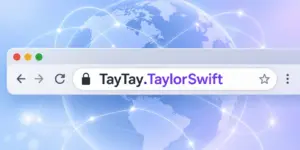
Taylor Swift Secures Digital Real Estate with Application for Personal Top-Level Domain
The digital landscape is preparing for a significant transformation as one of...
 Web Hosting & Domain Management
Sedo Reports Robust Week of Domain Sales as Global Businesses and Personal Brands Secure Digital Real Estate
The secondary domain name market continues to demonstrate its resilience and strategic...







