
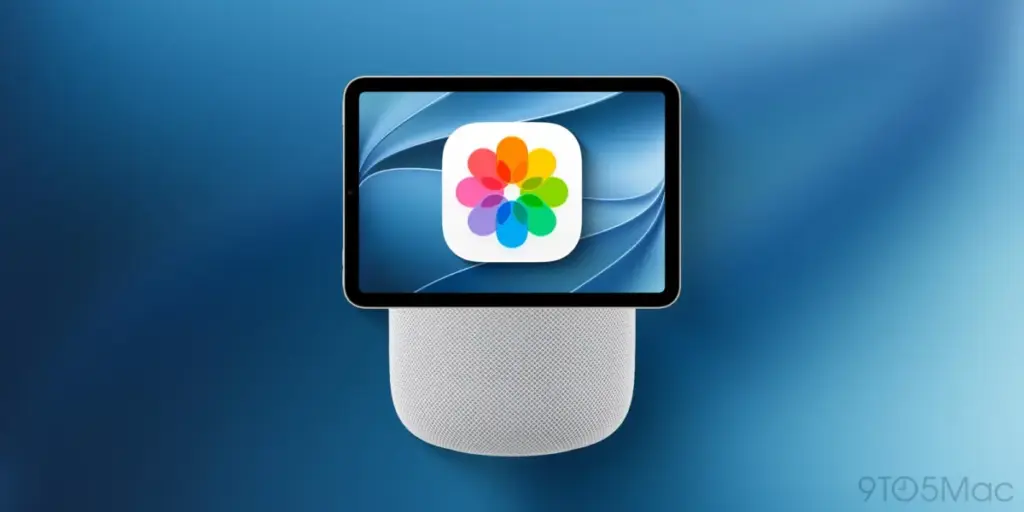
Apple is preparing to significantly escalate its presence in the domestic technology market with the introduction of a new dedicated smart home hub, a move that signals the company’s most ambitious attempt yet to capture the center of the modern living room. According to a comprehensive report from Bloomberg’s Mark Gurman, the device is set to be branded as the "HomeView," a name that aligns it directly with the company’s existing HomePod line of smart speakers while emphasizing its primary differentiator: a high-resolution display designed for visual interaction and content consumption.
The HomeView is expected to be the centerpiece of a special Apple event titled "Welcome home," scheduled for Tuesday, October 13. While the announcement will take place during this mid-October window, consumers eager to integrate the device into their households will likely have to wait a few more weeks. Sources indicate that the HomeView is not slated for an immediate retail release, with current projections pointing toward a mid-November launch, positioning it as a key product for the critical holiday shopping season.
The revelation of the HomeView name follows recent trademark filings that first surfaced earlier this week. The connection between Apple and the "HomeView" moniker was initially identified by MacRumors, providing a concrete look at how the company intends to market its first true smart display. By choosing HomeView, Apple appears to be moving away from the iPad-centric branding that some analysts had predicted, opting instead for a name that defines the device as a stationary, purpose-built appliance for the home rather than a portable tablet.
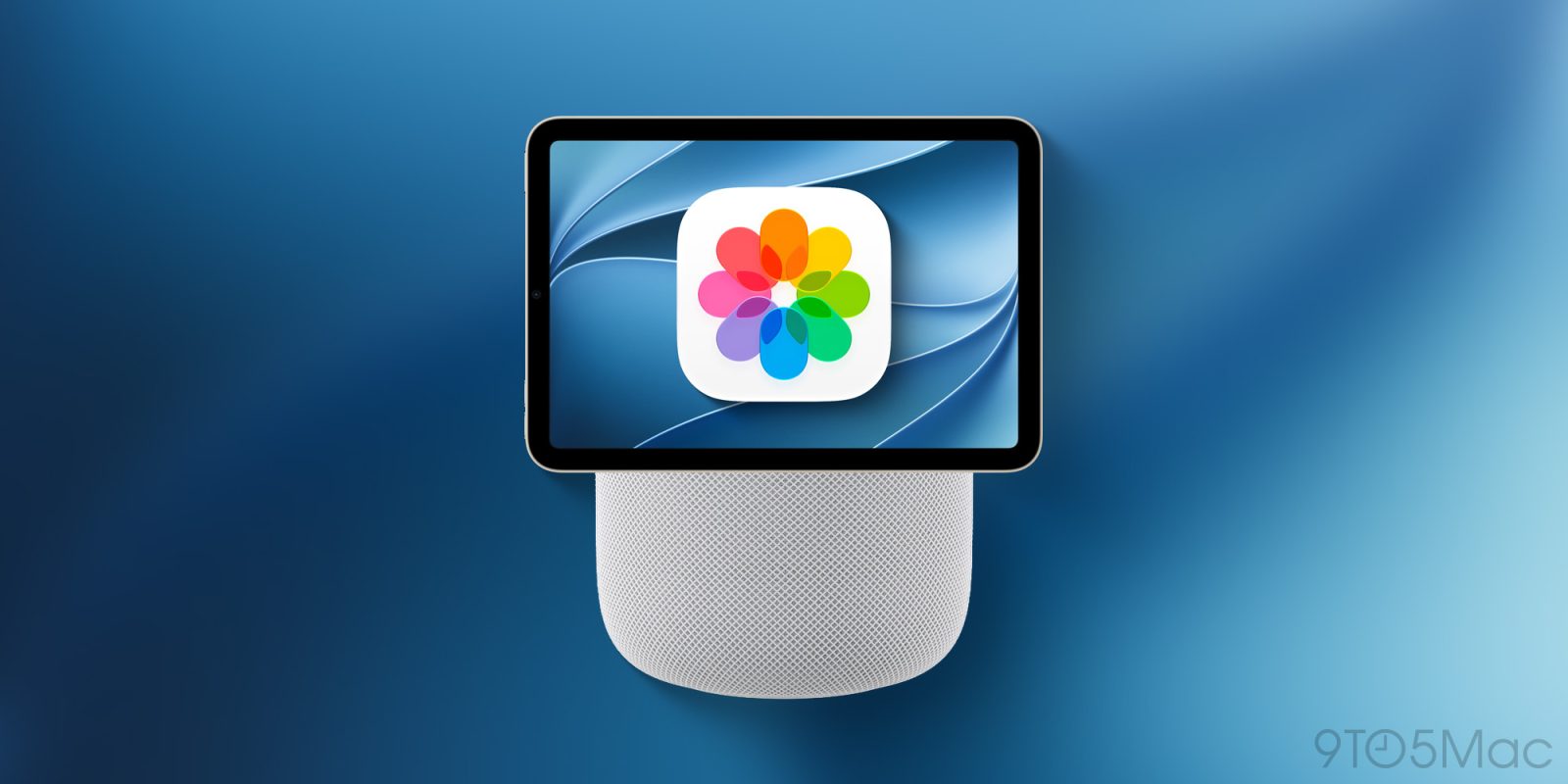
Architecturally, the HomeView is reported to draw heavy inspiration from one of Apple’s most iconic and beloved industrial designs: the iMac G4. Often referred to as the "sunflower" Mac, the iMac G4 featured a screen attached to a polished chrome neck that allowed for fluid tilting and swiveling, all sitting atop a hemispherical base. The HomeView will reportedly modernize this concept, featuring a floating display that sits atop a robust speaker base. This design serves a dual purpose: it provides the high-fidelity audio performance consumers expect from a device in the HomePod family while allowing the screen to be adjusted for optimal viewing angles whether the user is standing in a kitchen or sitting at a dining table.
Under the hood, the HomeView will be powered by Apple’s latest silicon. Gurman reports that the device will utilize the A18 chip, the same high-performance processor found in the latest iPhone models. The inclusion of such a powerful chip suggests that Apple is not positioning the HomeView as a low-power secondary screen, but rather as a sophisticated computing node capable of handling complex on-device tasks. This processing power is expected to be essential for the device’s centerpiece feature: a revamped Siri AI experience.
Unlike the iPad or the iPhone, the HomeView is designed to be a voice-first device. While the screen provides visual feedback and controls, the primary method of interaction will be through natural language. The "viewing" aspect of the HomeView name refers to the device’s ability to present information—such as weather updates, calendar appointments, home security feeds, and media playback—in a way that is legible from across a room. The integration of Siri AI is intended to make the hub a proactive assistant, capable of managing the household’s various smart devices with minimal physical input from the user.
Apple is also catering to different aesthetic and functional needs within the home by offering multiple configurations of the device. In addition to the tabletop model with the speaker base, Apple is reportedly preparing a wall-mountable version. This variant will feature a more utilitarian square base designed to sit flush against a wall, making it an ideal control panel for entryways or hallways.

The color palette for the HomeView reflects Apple’s current design trends, though there are distinctions between the two models. The tabletop version with the integrated speaker base will be offered in four distinct finishes: space gray, silver, starlight, and a more expressive pink. The wall-mountable model, perhaps reflecting its role as a more integrated architectural element, will be restricted to a more traditional monochrome selection of silver and space gray.
On the software side, the HomeView will run a specialized operating system tailored for home use. Interestingly, reports indicate that the device will not launch with a dedicated App Store. Instead, it will come pre-loaded with a suite of essential Apple apps designed for the home environment. To address the need for third-party integration, Apple is expected to introduce a feature that allows users to "project" widgets from third-party apps installed on a nearby iPhone directly onto the HomeView screen. This approach ensures a curated, stable user experience while still providing access to the broader ecosystem of services that users rely on.
The introduction of the HomeView is not a standalone effort but part of a broader "Welcome home" initiative that seeks to unify Apple’s various home-related products. Alongside the new hub, Apple is expected to announce hardware refreshes for the Apple TV set-top box and the HomePod mini. These updates are likely intended to ensure that all devices in the ecosystem share common communication protocols and can leverage the improved Siri AI capabilities enabled by the latest Apple silicon.
Perhaps most significantly, Apple is looking beyond its own hardware to solve the long-standing problem of smart home fragmentation. The company has reportedly entered into strategic partnerships with major appliance manufacturers, including LG, to develop a new range of smart home accessories. These products—which include smart thermostats, door locks, and doorbells—are being designed to work seamlessly within the Apple Home ecosystem. By collaborating with established players in the appliance industry, Apple aims to ensure that the HomeView can serve as a truly universal control center, capable of managing everything from the temperature of the house to the security of the front door.

This move into the smart display market represents a critical pivot for Apple. While the HomePod has found success among audiophiles and loyal Apple users, the company has lagged behind competitors like Amazon and Google in providing a visual focal point for the smart home. The Amazon Echo Show and Google Nest Hub have long dominated this space, offering users a way to see their security cameras, follow recipes, and make video calls in a stationary format. With the HomeView, Apple is betting that its superior hardware design, privacy-focused AI, and deep ecosystem integration will allow it to capture a significant share of this maturing market.
The "Welcome home" event is expected to provide a detailed roadmap for how Apple sees the future of domestic technology. By combining nostalgic design elements like the iMac G4 silhouette with cutting-edge A18 processing and a new vision for Siri, the HomeView is positioned as more than just a new gadget; it is the foundation of a more cohesive, intelligent, and interactive home environment.
As the October 13 event approaches, the tech industry is watching closely to see if Apple can successfully translate its success in the mobile and personal computing spaces into the home. The mid-November release window suggests that Apple is confident in the device’s appeal as a flagship product for the end of the year. With the HomeView, the company is not just asking users to buy another screen; it is inviting them to reimagine how they interact with their living spaces. All eyes will be on the "Welcome home" keynote this Tuesday to see if the HomeView can live up to the high expectations set by these early reports.
 Smart Home & IoT Solutions
Breaking the Tech Bubble: Why the Apple Home Collection Could Finally Bring the Smart Home to the Masses
For those who have spent the last decade—or in some cases, several...
 Smart Home & IoT Solutions
Abode Expands Smart Home Security Ecosystem with New Apple Home-Compatible Garage and Outdoor Sensors
In an era where the boundary between professional-grade security and do-it-yourself convenience...
 Smart Home & IoT Solutions
Apple Reimagines the Smart Home with iOS 27: 4K Video Support and Intelligence-Driven Notifications Take Center Stage
As Apple prepares for what is rumored to be one of its...







