
As Apple prepares for its highly anticipated "Welcome Home" special event scheduled for October 13, the company is positioning the smart home as a central pillar of its ecosystem. While the hardware announcements are expected to draw significant attention, the foundational changes coming to the Home app via iOS 27 represent a fundamental shift in how users interact with their living spaces. This update is not merely an incremental refinement of the user interface; rather, it is an ambitious integration of Apple Intelligence designed to address long-standing frustrations with smart home management, specifically regarding security video and notification fatigue.
The upcoming software release signals Apple’s intent to leverage its advancements in artificial intelligence to make the Home app more proactive and less intrusive. By moving beyond simple remote controls and basic automation, iOS 27 introduces features that allow the Home app to "understand" the context of events occurring within a household. This intelligence is primarily focused on two critical areas: the enhancement of HomeKit Secure Video and a revolutionary approach to how system alerts are delivered to the user’s device.
The Evolution of HomeKit Secure Video
HomeKit Secure Video (HKSV) has long been a staple for users within the Apple ecosystem who prioritize privacy. Included with iCloud+ subscriptions, the service provides end-to-end encrypted video storage, ensuring that neither Apple nor third parties can access a user’s camera feeds. However, as camera technology has advanced, the limitations of HKSV—particularly its 1080p resolution cap and basic motion detection—have become more apparent.
iOS 27 addresses these limitations head-on. The most significant technical upgrade is the long-awaited support for 4K video. For years, users have been restricted to 1080p high-definition recording, even if their hardware was capable of much higher resolutions. This forced a compromise between the superior privacy of the Apple ecosystem and the superior image clarity offered by competitors. With iOS 27, Apple has confirmed that supported HomeKit Secure Video cameras can now stream and record in full 4K resolution. This leap in quality is crucial for security purposes, allowing users to zoom in on footage with significantly more detail, making it easier to identify faces, license plates, or small objects.
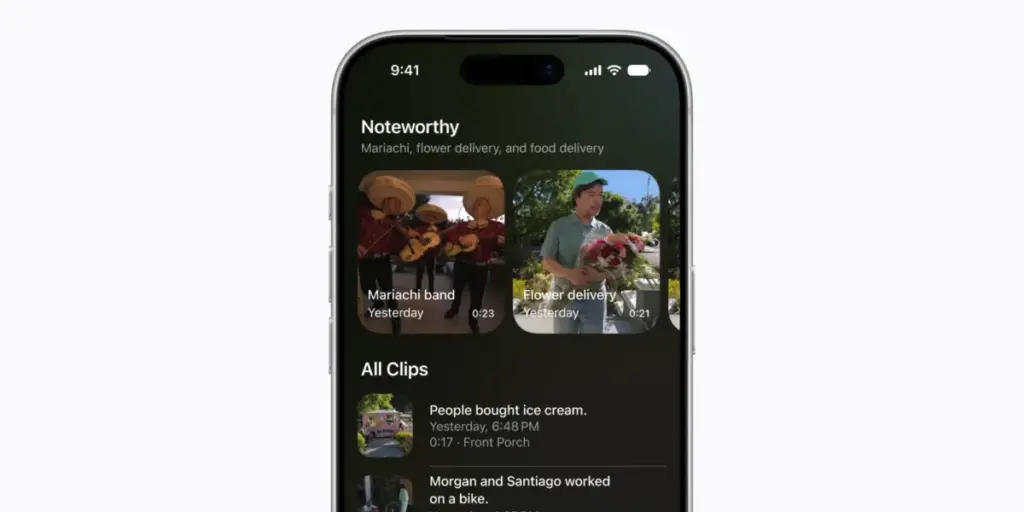
Beyond the raw resolution, the utility of recorded footage is being transformed by Apple Intelligence. Traditionally, finding a specific event in a security timeline required tedious manual scrubbing through hours of clips. iOS 27 introduces powerful AI-driven upgrades to this workflow. The system can now analyze video data to provide concise summaries of what occurred during a specific period. Instead of reviewing ten different clips of a delivery person, the Home app can synthesize that activity into a single, understandable event.
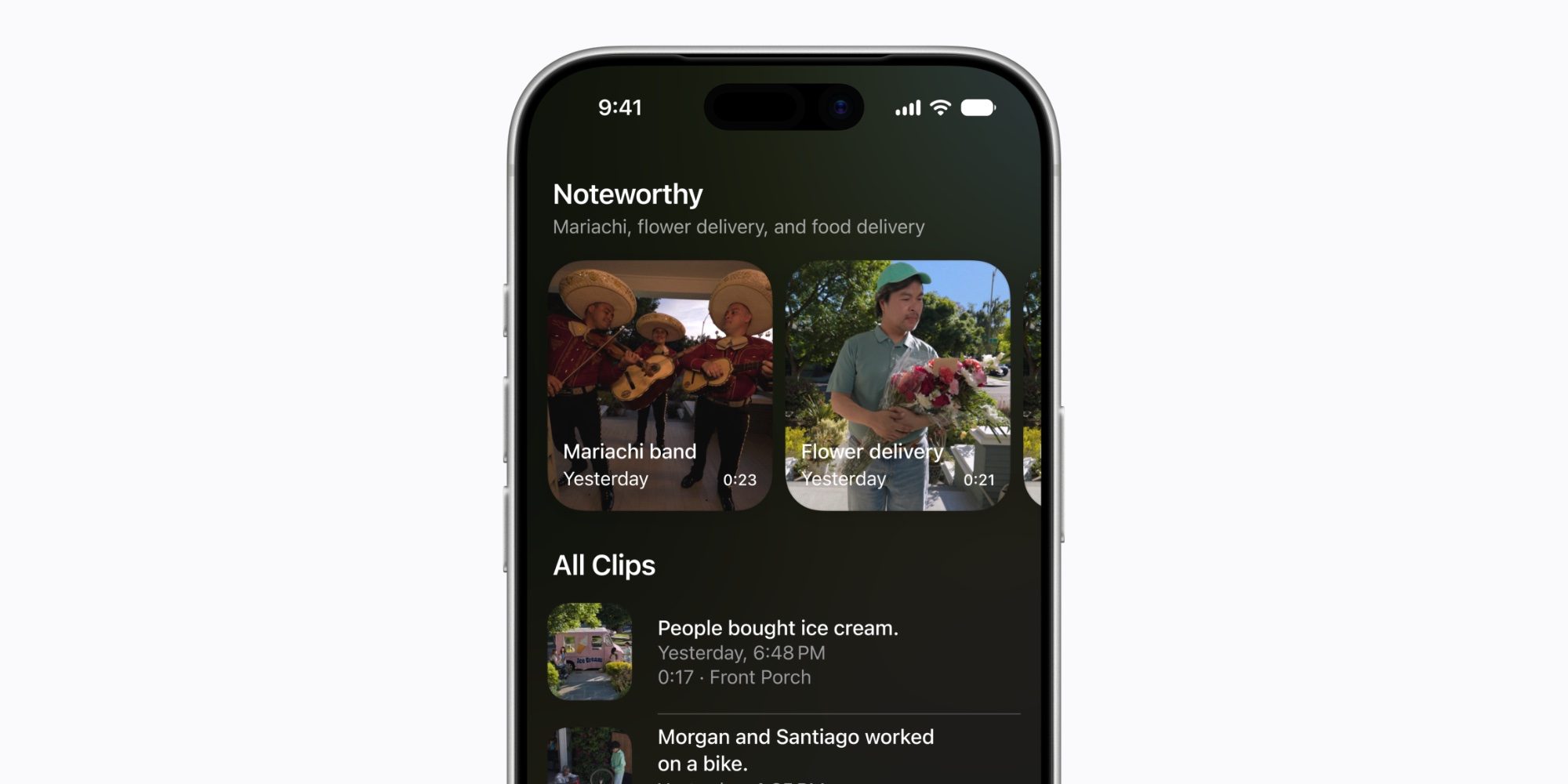
Furthermore, a new search capability allows users to query their video history using natural language. By drawing on Apple Intelligence, the Home app can identify specific objects, people, and actions within the recorded footage. This means a user could potentially search for "the dog in the backyard" or "when did the courier arrive," and the system will instantly surface the relevant clips. This level of semantic understanding moves HomeKit Secure Video from a passive recording tool to an active, searchable database of home activity.
Streamlining the User Experience: Real-Time Notification Updates
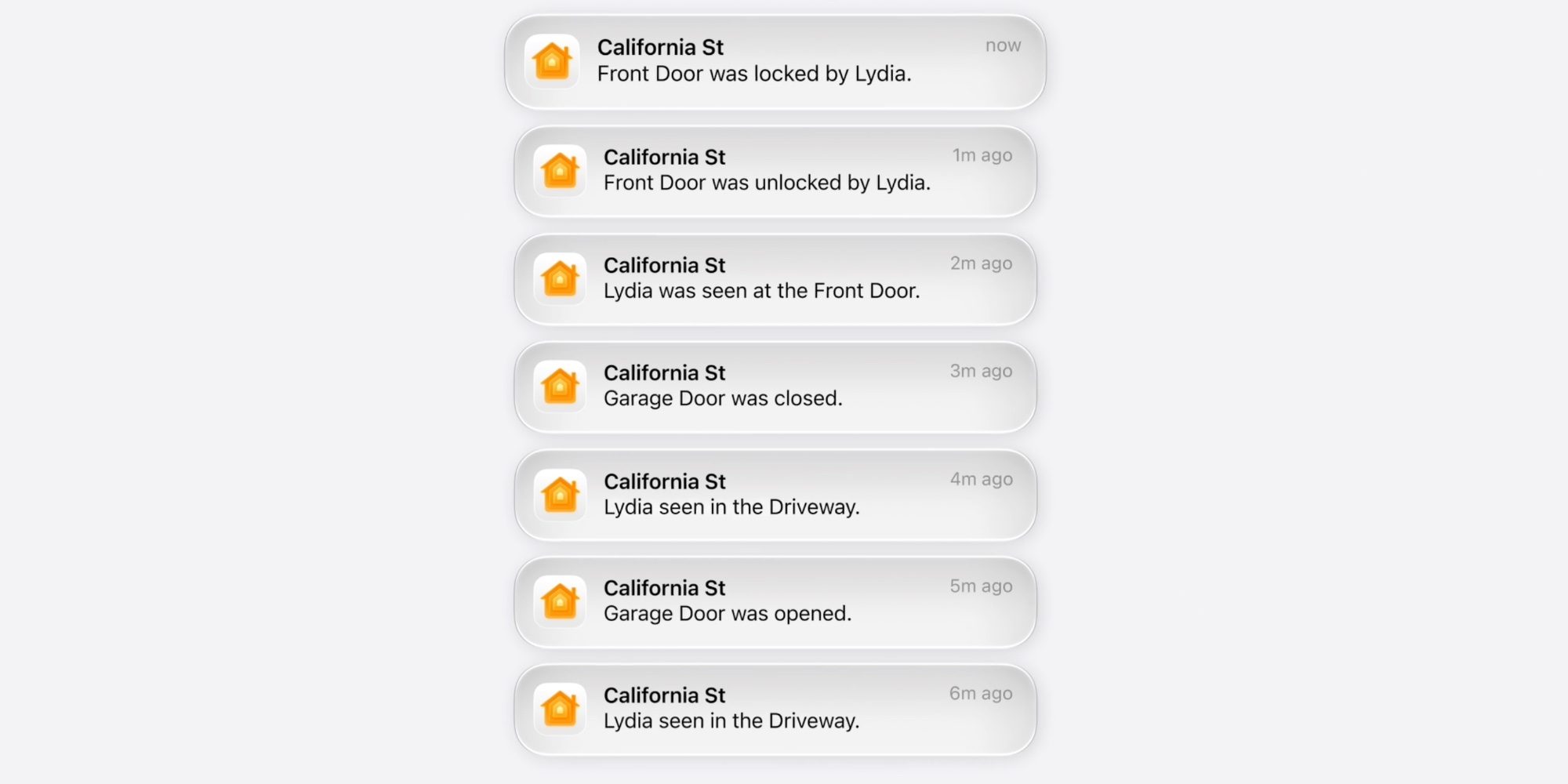
Perhaps the most impactful daily change in iOS 27 is the introduction of real-time updating notifications. For many smart home enthusiasts, "notification fatigue" is a genuine issue. A single person returning home can trigger a cascade of alerts: a motion sensor trip, a doorbell ring, a smart lock being engaged, and a garage door closing. On current operating systems, this results in a cluttered lock screen filled with redundant or chronological updates that quickly become overwhelming.
Apple is utilizing Apple Intelligence to solve this problem through a new feature called "Reduce Notifications." Located within a dedicated Apple Intelligence section of the Home app’s settings, this toggle allows the system to understand related notifications as a single, continuous activity. Rather than sending a new alert for every incremental change, the Home app will issue one notification that updates dynamically as the activity unfolds.
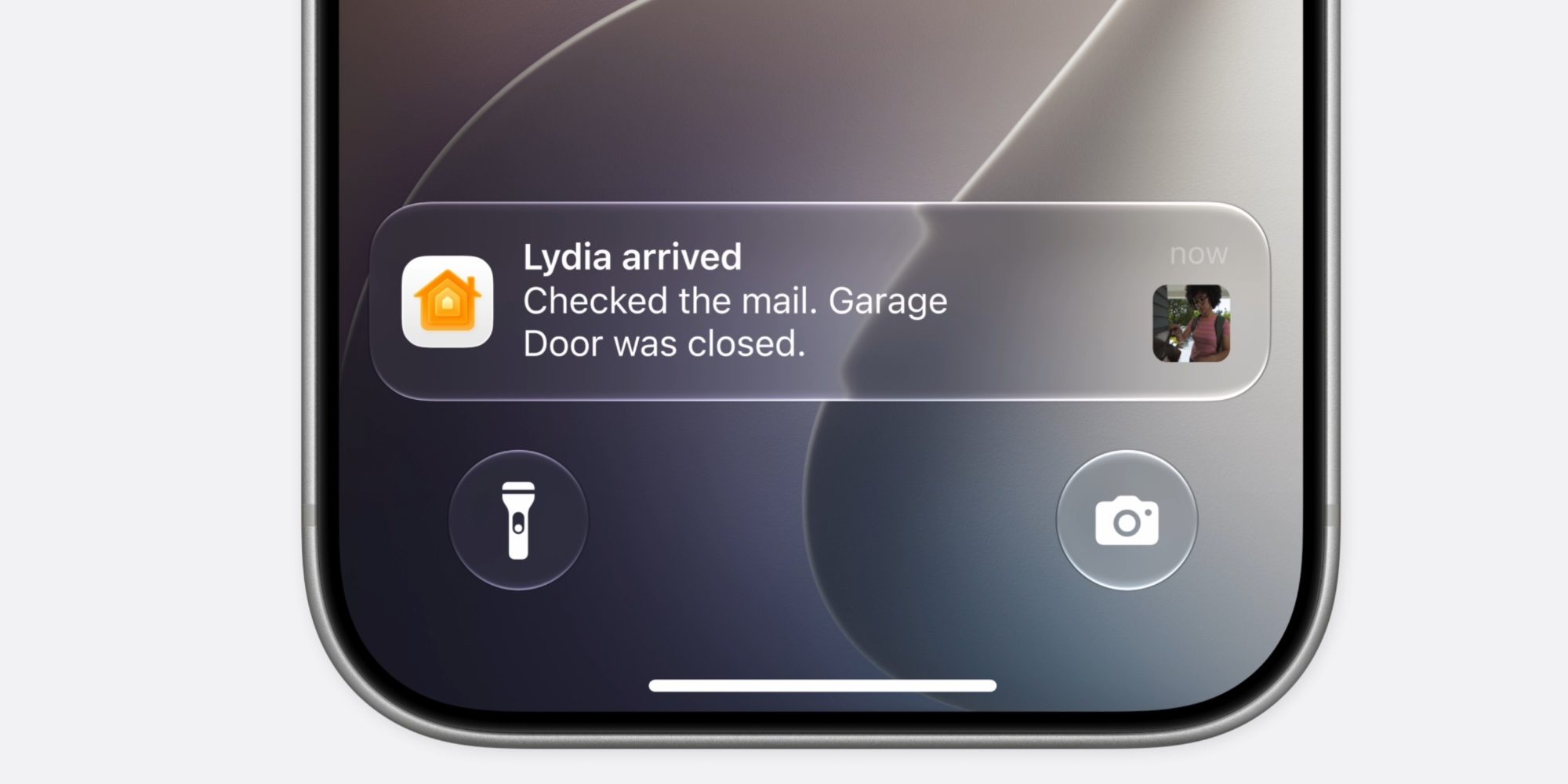
Apple describes this as a way for the app to "understand" the relationship between different devices. For example, if a family member arrives home, the system recognizes that the motion detected at the driveway, the unlocking of the front door, and the subsequent closing of the garage are all parts of the same event. Instead of seven separate pings, the user receives a single alert that might read: "Lydia arrived. Checked the mail. Garage Door was closed."
This streamlined approach ensures that the user is kept informed without their iPhone or Apple Watch becoming a source of constant distraction. It prioritizes the latest, most relevant information while archiving the individual steps of the activity within the notification’s history. This shift represents a broader philosophy at Apple: using AI not just to add new capabilities, but to remove the friction and noise inherent in modern digital life.
A Unified Strategy for the Smart Home
The timing of these software upgrades is no coincidence. By announcing these features ahead of the October 13 event, Apple is setting the stage for new hardware that can fully take advantage of iOS 27’s capabilities. Rumors have long circulated about new HomePod models with integrated displays and updated security cameras designed specifically to showcase the power of 4K HomeKit Secure Video and Apple Intelligence.
The integration of Apple Intelligence into the Home app also highlights Apple’s unique approach to AI. By performing much of the processing on-device—leveraging the powerful neural engines in the iPhone, iPad, and Home Hubs—Apple can offer these advanced search and summarization features without compromising its strict privacy standards. This is a key differentiator in a market where many competitors rely on cloud-based processing that often involves scanning user data on remote servers.
For users invested in the Apple Home ecosystem, iOS 27 represents a significant maturation of the platform. The combination of higher-resolution video support and intelligent notification management addresses the two most common complaints regarding the Home app. As the "Welcome Home" event approaches, it is clear that Apple is no longer content with the Home app being a simple utility for turning on lights; it is evolving into a sophisticated, AI-powered command center for the modern household.
The impact of these changes will likely be felt most by those with extensive smart home setups. For a household with multiple cameras, sensors, and locks, the reduction in notification volume alone will be a transformative experience. When paired with the ability to quickly search through 4K security footage, the value proposition of iCloud+ and HomeKit-compatible hardware becomes significantly stronger.

As Apple prepares to unveil the next generation of Home products, the software foundations laid in iOS 27 suggest a future where the smart home is more intuitive, more detailed, and—most importantly—less demanding of the user’s constant attention. Whether these upgrades will be enough to sway users away from competing platforms remains to be seen, but for the millions already within the Apple ecosystem, the home is about to get a lot smarter.
 Smart Home & IoT Solutions
Philips Hue Enhances Smart Home Ecosystem with Launch of SpatialAware and New Video Doorbell Features
The landscape of smart home lighting has undergone a significant transformation today...
 Smart Home & IoT Solutions
Apple to Unveil ‘HomeView’ Smart Hub at ‘Welcome Home’ Event as Part of Major Smart Home Expansion
Apple is preparing to significantly escalate its presence in the domestic technology...
 Smart Home & IoT Solutions
Apple to Unveil Co-Developed Smart Home Hardware with New "Proximity Control" Dynamic Island Integration
As Apple prepares for its highly anticipated "Welcome home" special event scheduled...







