In a move that signals a significant expansion of its presence in the domestic technology sector, Apple is reportedly preparing to unveil a brand-new smart home centerpiece. According to a detailed report from Bloomberg’s Mark Gurman, the much-anticipated device, which has been the subject of intense speculation for months, will officially be branded as the "HomeView." The announcement is expected to take place on Tuesday, October 13, during a dedicated product showcase that Apple is internally and externally framing as the "Welcome Home" event experience.
The HomeView name represents a strategic branding choice for the Cupertino-based giant. By adopting the "Home" prefix, Apple is clearly aligning the new hardware with its existing ecosystem of smart audio products, specifically the HomePod and HomePod mini. However, the addition of "View" underscores the device’s primary differentiator: a visual interface designed to transform how users interact with their living spaces. This branding follows recent discoveries regarding Apple’s intellectual property filings, as the company’s connection to the "HomeView" trademark was first identified and reported by MacRumors earlier this week.
While the "Welcome Home" event will serve as the formal introduction for the device, consumers eager to integrate the HomeView into their households may have to wait a few weeks longer. Gurman reports that although the unveiling is imminent, the actual retail release is not slated until the middle of November. This timing suggests that Apple is positioning the HomeView as a flagship item for the critical holiday shopping season, ensuring that the hardware is available just as consumers begin their year-end gift purchasing.
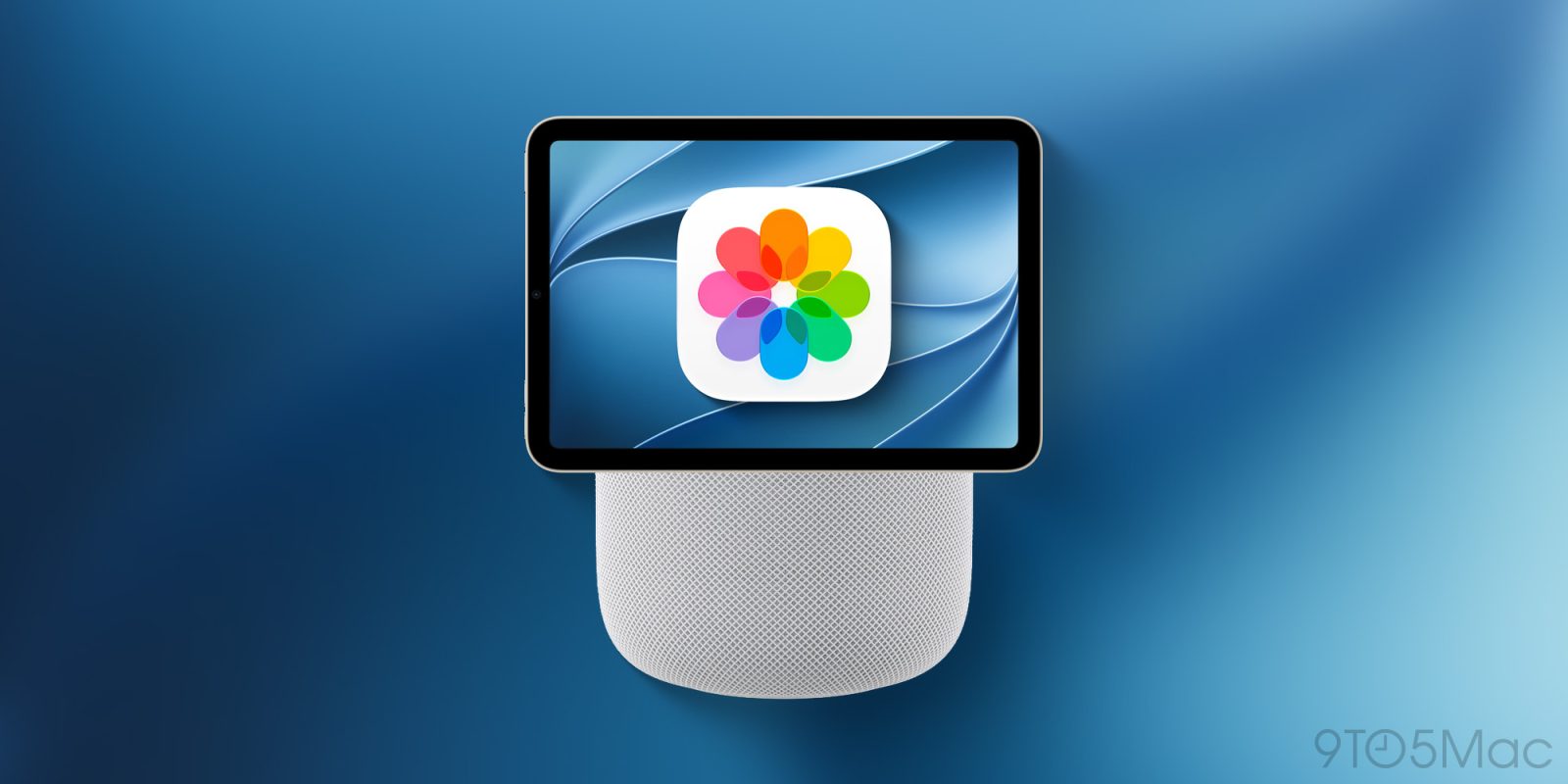
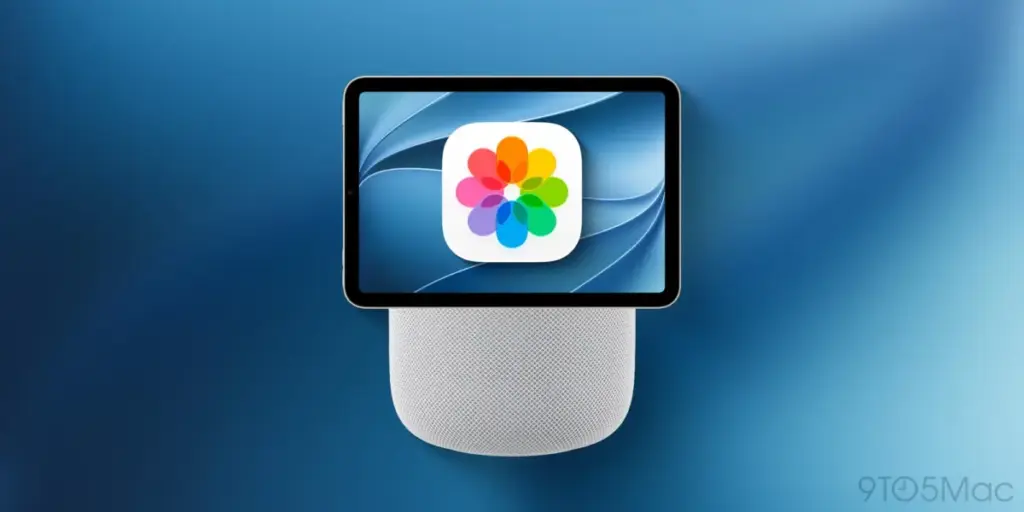
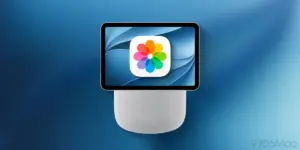
The industrial design of the HomeView is perhaps its most striking feature, drawing heavy inspiration from one of Apple’s most iconic legacy products. The device is said to feature a design philosophy akin to the iMac G4, the "sunflower" computer that famously debuted in the early 2000s. Like that classic machine, the HomeView will utilize a floating display mounted on an articulated arm, sitting atop a robust, hemispherical speaker base. This design allows for a high degree of adjustability, enabling users to tilt and swivel the screen to find the perfect viewing angle, whether they are standing at a kitchen counter or sitting at a dining table.
Under the hood, the HomeView will be powered by Apple’s latest silicon. Gurman indicates that the device will utilize the A18 chip, the same high-performance processor found in the company’s most recent flagship smartphones. The inclusion of such a powerful chip suggests that the HomeView is designed to handle intensive computational tasks, particularly those related to on-device artificial intelligence and the processing of complex smart home automation routines. This level of power distinguishes the HomeView from many competing smart displays, which often rely on lower-end processors that can struggle with fluid animations or rapid response times.
Recognizing that different homes have different spatial requirements, Apple is reportedly preparing two distinct versions of the HomeView hardware. The primary model, featuring the integrated speaker base and floating display, is intended for tabletop use. To appeal to a wide range of interior design tastes, this model will be offered in four distinct color options: space gray, silver, starlight, and a soft pink. This variety marks a departure from Apple’s traditional monochrome approach to home hardware, suggesting a desire to make the device a more personal and expressive part of the home decor.
For users who prefer a more integrated or minimalist look, Apple has also developed a wall-mountable version of the HomeView. This variant eschews the rounded speaker base in favor of a more compact, square base designed to sit flush against a wall. Given its intended role as a permanent fixture of a home’s infrastructure, the wall-mounted model will be offered in a more conservative color palette, limited to silver and space gray.

The user experience of the HomeView will be centered on a "voice-first" philosophy. While the screen provides a vital visual component, Siri AI will serve as the primary engine for interaction. Apple has reportedly optimized the interface for "at-a-distance" viewing, ensuring that content—such as weather updates, calendar appointments, or security camera feeds—remains legible from across a room. This approach acknowledges the reality of how smart hubs are used: they are often passive information centers that users glance at while moving through their homes, rather than devices meant for long periods of direct, tactile interaction.
Interestingly, the HomeView will not feature a traditional App Store. Instead of allowing users to download and install a wide array of third-party applications as they would on an iPad or iPhone, the device will run a curated suite of Apple’s own core applications. However, Apple is not entirely closing the door on third-party integration. The report suggests that users will be able to "project" widgets from third-party apps installed on a nearby iPhone directly onto the HomeView’s screen. This allows for a level of extensibility without the overhead or complexity of managing a dedicated app ecosystem on the hub itself.
The launch of the HomeView is not happening in a vacuum. It is part of a broader, more aggressive push by Apple to reclaim its footing in the smart home market. Alongside the new hub, Apple is expected to announce hardware refreshes for two of its existing home pillars: the Apple TV set-top box and the HomePod mini. While the specifics of these refreshes remain under wraps, they are likely to include internal component upgrades to ensure seamless compatibility with the new HomeView and the latest iterations of Siri.
Crucially, Apple is also addressing one of the historical pain points of its home strategy: the availability of compatible accessories. The company has reportedly entered into strategic partnerships with several major appliance and home hardware manufacturers, including LG. These collaborations are intended to result in a new wave of smart home accessories—ranging from thermostats and door locks to video doorbells—that are specifically engineered to work within the Apple Home ecosystem. By fostering a more robust network of third-party hardware, Apple aims to create a more compelling and unified "Welcome Home" experience that rivals the established ecosystems of Amazon and Google.

The October 13 event marks a pivotal moment for Apple’s services and hardware divisions. For years, the company’s smart home efforts have been viewed as secondary to the iPhone, Mac, and Wearables categories. With the introduction of the HomeView, Apple is signaling that it is finally ready to treat the home as a primary platform. By combining nostalgic design elements with cutting-edge A18 silicon and a refined AI-driven interface, the HomeView represents Apple’s most serious attempt yet to become the central nervous system of the modern household.
As the tech industry turns its attention to Tuesday’s announcement, the stakes are high. The success of the HomeView will depend not just on the elegance of its floating display or the power of its processor, but on how effectively it can tie together the disparate elements of the smart home. With a mid-November release date on the horizon, it won’t be long before consumers can see for themselves if Apple’s vision for the future of domestic life lives up to the "Welcome Home" promise. Full coverage of the event and detailed hands-on analysis of the HomeView and its accompanying hardware refreshes will follow the official unveiling.
 Smart Home & IoT Solutions
Apple Set to Unveil "HomeView" Smart Hub with iMac G4-Inspired Design and A18 Chip at Upcoming "Welcome Home" Event
Apple is preparing to make its most significant leap into the smart...
 Smart Home & IoT Solutions
Apple and LG Reportedly Partnering on New Suite of Smart Home Accessories to Anchor Major Ecosystem Reboot
Apple is poised to significantly accelerate its presence in the domestic technology...
 Smart Home & IoT Solutions
Controller for HomeKit Introduces Natural Language AI to Simplify Complex Smart Home Automations
The promise of the modern smart home has always been one of...