
Apple is reportedly less than two weeks away from unveiling its highly anticipated entry into the smart home display market, marking a significant strategic pivot for the company as it seeks to anchor its ecosystem more firmly within the domestic environment. According to a comprehensive new report from Bloomberg’s Mark Gurman, the tech giant is finally ready to launch its long-awaited smart home hub, a device that has been the subject of speculation and internal development for several years. This upcoming release represents Apple’s most concerted effort to date to challenge the dominance of Amazon’s Echo Show and Google’s Nest Hub, bringing a distinctively Apple-centric approach to the category of ambient computing.
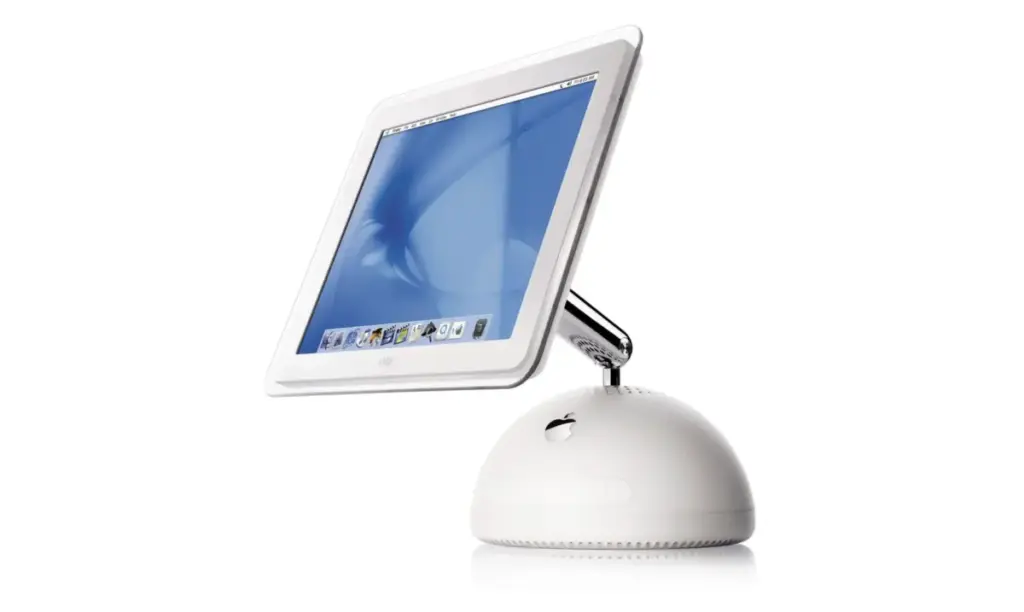
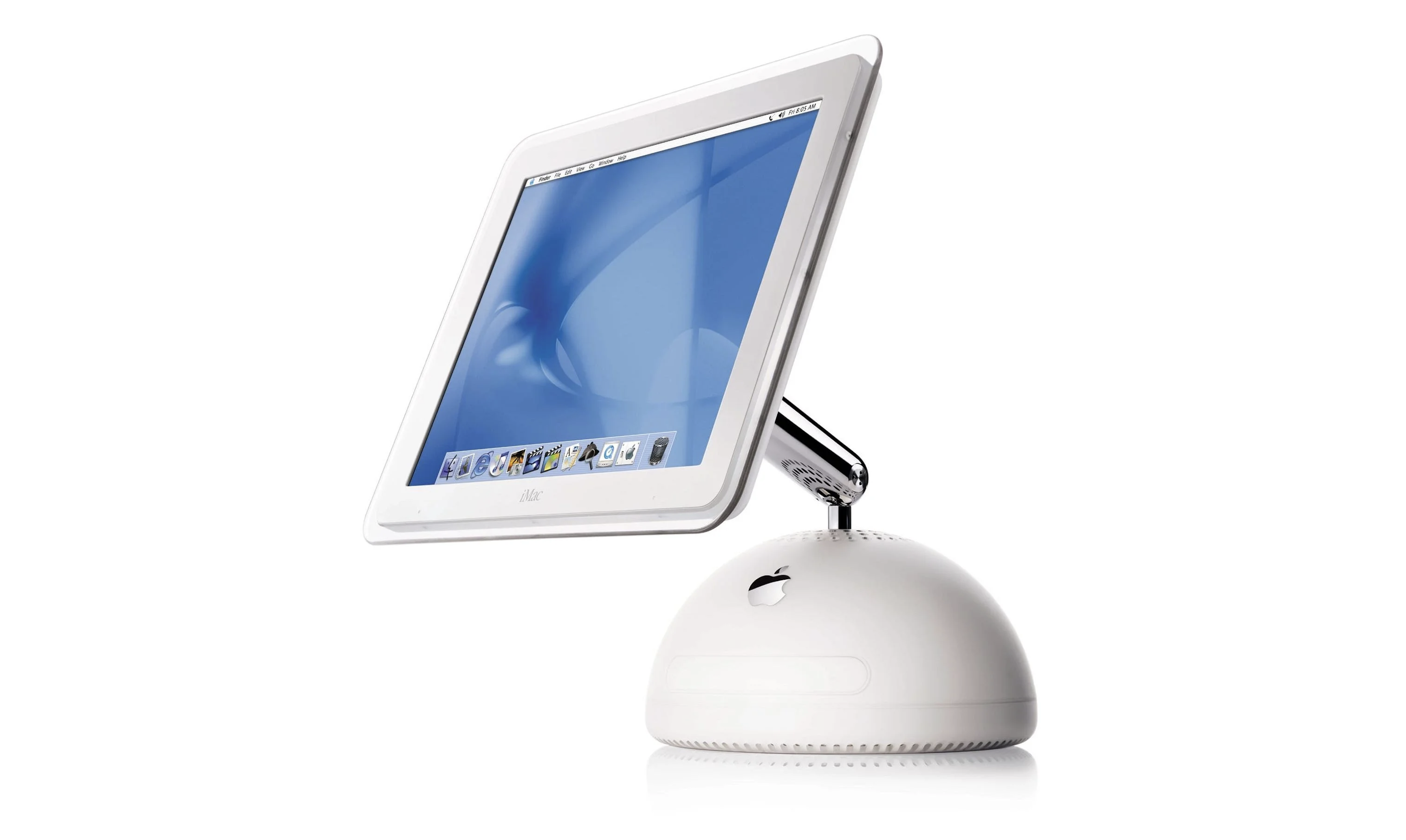
The report provides the most detailed look yet at the hardware design of the new hub, suggesting that Apple is looking to its own storied past for aesthetic inspiration. The device is said to feature a design language that evokes the iconic iMac G4, a product widely celebrated for its innovative industrial design during the early 2000s. Just as the iMac G4 utilized a weighted, half-dome-shaped base to support a flexible metal arm, Apple’s new smart home hub will reportedly adopt a similar silhouette. This choice of form factor is not merely a nostalgic nod; it serves a functional purpose by allowing the screen to be tilted and angled for optimal visibility, whether placed on a kitchen countertop, a bedside table, or a hallway credenza.
Central to the device’s identity is a 6-inch square display. This choice of a square aspect ratio is a notable departure from the rectangular screens typically found on iPads or competing smart displays. A square screen suggests a user interface optimized for glanceable information—such as weather updates, home security camera feeds, and smart home controls—rather than widescreen media consumption. The Bloomberg report describes the display as being "about as thick as an iPhone," indicating a sleek, modern profile that belies the historical inspiration of its base. To maintain a consistent look with Apple’s existing tablet lineup, the screen is expected to feature quarter-inch black bezels, reminiscent of the borders seen on older iPad models. In keeping with Apple’s modern design philosophy, the device reportedly features rounded corners with no sharp edges, ensuring it blends seamlessly into a variety of home decors.

The ergonomic benefits of the iMac G4-inspired design cannot be overstated. By placing the screen on a proprietary arm, Apple allows users to adjust the display’s orientation without moving the entire unit. This flexibility is a key differentiator in a market where many smart displays are fixed-angle devices. The base of the unit, which houses the essential internals and likely the primary audio components, provides the necessary ballast to ensure the device remains stable during touch interactions. This structural approach also allows the screen itself to remain thin and lightweight, emphasizing the "floating" aesthetic that made the original G4 iMac so visually striking.
In addition to the desktop-oriented model, Apple is reportedly preparing a second version of the smart home hub specifically designed for wall mounting. This variant addresses a different set of consumer needs, catering to those who prefer a centralized control panel that does not occupy valuable surface space. According to the report, the wall-mounted version features a thin, square-shaped base situated beneath the display. This base, which sits flat against the wall, is designed to house the microphones and speakers, ensuring that the device can effectively pick up voice commands and provide clear audio feedback even when mounted flush against a vertical surface.
Connectivity and power for the new hub will be handled via USB-C, a move that aligns with Apple’s broader transition away from proprietary charging standards. The inclusion of USB-C ensures compatibility with a wide range of power adapters and cables, simplifying the installation process for users. While the primary function of the device is to act as a command center for the home, the inclusion of robust speaker and microphone arrays suggests that it will also serve as a high-quality communication tool, likely supporting FaceTime and Siri-based interactions with a high degree of fidelity.
The timing of this launch is critical for Apple. For years, the company’s smart home strategy has relied on the Apple TV and the HomePod, along with the HomeKit framework. However, the lack of a dedicated visual interface has been cited by some industry analysts as a hurdle to Apple’s ability to compete with more integrated solutions from competitors. By introducing a dedicated smart display, Apple is providing a physical anchor for its "Apple Intelligence" initiatives, offering a dedicated portal through which users can interact with their smart devices, manage their schedules, and monitor their homes.
The integration of the smart hub into the broader Apple ecosystem is expected to be seamless. The device will likely act as a Thread border router and a Matter-compatible controller, ensuring it can communicate with a vast array of third-party smart home accessories. For existing Apple users, the hub will likely feel like a natural extension of the iPhone and iPad experience, utilizing a familiar software environment that prioritizes privacy and ease of use. The report suggests that the software will be specifically tailored for the 6-inch square screen, focusing on a "Home" app experience that is more interactive and responsive than what is currently available on the iPad.
Beyond the hardware specifications, the launch of this smart home hub signals a broader shift in Apple’s product roadmap. It suggests a move toward ambient computing—the idea that technology should be available and helpful without requiring the user to actively carry a device. A dedicated home display fulfills this vision by being "always on" and ready to respond to voice commands or proximity-based triggers. Whether it is showing a live feed from a doorbell camera when someone approaches the front door or displaying a recipe in the kitchen, the hub is designed to be a passive yet powerful assistant.
The Bloomberg report’s mention of a launch window within the next two weeks suggests that Apple may be planning a quiet introduction via a press release or a smaller-scale event, following its major iPhone and Apple Watch announcements earlier in the season. This rapid rollout indicates that the product is ready for mass-market consumption and that Apple is eager to have it in consumers’ homes ahead of the busy holiday shopping period.
As the tech industry moves toward more sophisticated home automation, the entry of a major player like Apple with a uniquely designed piece of hardware is bound to stir the market. The combination of nostalgic design elements—specifically the metal arm and dome base—with modern display technology and a robust software ecosystem makes this one of the most intriguing Apple releases in the smart home category to date. Consumers who have invested heavily in the Apple ecosystem have long waited for a centralized, visual way to manage their homes, and according to the latest reports, that wait is nearly over.

While many details regarding the specific software features and pricing remain under wraps, the physical description provided by Gurman paints a picture of a device that is unmistakably Apple. It balances the company’s heritage with its future ambitions, aiming to prove that the smart display can be both a functional tool and a piece of high-end home furniture. As the launch date approaches, the focus will likely shift to how this device interacts with the rest of Apple’s suite of services, including Apple Music, iCloud, and the increasingly prominent Apple Intelligence features that are becoming a cornerstone of the company’s value proposition.
With two distinct models—one for the desktop and one for the wall—Apple is clearly aiming to cover as much ground as possible in the home. This dual-pronged approach acknowledges that different rooms and different users have varying requirements for how they interact with technology. By providing a flexible, well-designed, and ecosystem-integrated solution, Apple is positioning itself to finally take a leading role in the future of the smart home. The next two weeks will be telling as the tech world waits to see if this new hub can live up to the high expectations set by its iconic predecessors.
 Smart Home & IoT Solutions
Apple Partners with LG to Expand Smart Home Ecosystem with New Line of Connected Devices
In a significant move to bolster its presence in the domestic technology...
 Smart Home & IoT Solutions
Abode Expands Smart Home Security Ecosystem with New Apple Home-Compatible Garage and Outdoor Sensors
In an era where the boundary between professional-grade security and do-it-yourself convenience...
 Smart Home & IoT Solutions
Apple now sells Aqara Adaptive Temperature thermostat and seven more accessories
The inclusion of these products in the Apple Store is more than...







