
For years, Apple’s presence in the smart home market has been characterized by a cautious, secondary approach. While competitors like Amazon and Google aggressively expanded their ecosystems through the acquisition of brands like Ring and Nest, Apple remained focused on providing the software framework—HomeKit—rather than the heavy-duty hardware and professional services required to dominate the living space. However, that narrative is shifting rapidly. According to a new report from Bloomberg’s Mark Gurman, Apple is preparing a significant escalation in its home ambitions, culminating in a dedicated home security and monitoring service slated for a 2027 debut.
This move marks a pivot from Apple being a mere platform provider to becoming a direct service provider in the home security sector. The shift is expected to be supported by a new generation of hardware that leverages Apple’s advancements in artificial intelligence and on-device processing to offer a level of privacy that traditional security cameras have struggled to provide.
Apple Home Security and Monitoring Service Planned for 2027
The centerpiece of this long-term strategy is a device described as an "in-home security sensor and system." Unlike the current crop of smart cameras that rely on constant video streaming and cloud storage, Apple’s rumored device is expected to take a radically different approach to monitoring. According to Gurman, the device will be "privacy-centric" and will utilize advanced artificial intelligence to monitor the surrounding environment instead of relying on actual video footage.
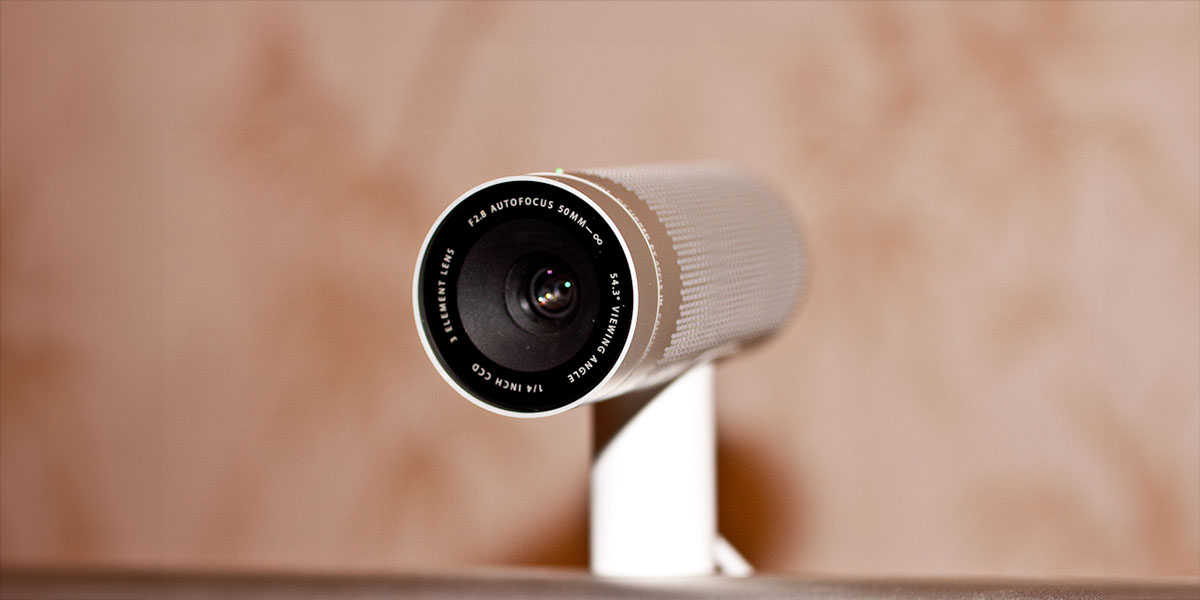
This distinction is crucial for a company that has built its modern brand identity around the concept that "privacy is a human right." Traditional security cameras often present a dilemma for privacy-conscious consumers: the desire for safety versus the discomfort of having a live lens recording the intimate details of their daily lives. By utilizing AI to interpret motion, presence, and environmental changes without necessarily capturing or transmitting high-resolution video of the inhabitants, Apple could potentially solve the "creep factor" that has hindered the adoption of indoor cameras for many users.
The hardware is only one half of the equation. The report highlights that this device will "tap into a new home security and monitoring service." This suggests that Apple is looking to move beyond the current capabilities of HomeKit Secure Video, which primarily offers encrypted storage for third-party cameras. A dedicated monitoring service could imply a more active role for Apple, potentially involving professional monitoring, automated emergency alerts, or advanced analytics that go beyond simple motion detection.
A Major Overhaul of the Apple Home Ecosystem
While the security service is positioned for 2027, it serves as the capstone of a much broader, multi-year overhaul of Apple’s Home division. For many enthusiasts, the Apple home experience has felt stagnant compared to the rapid iteration seen in the iPhone and Apple Watch lineups. That is expected to change in the immediate future.
Apple is reportedly preparing a wave of new hardware designed to establish a stronger foothold in the home before the security service launches. This includes a refreshed Apple TV 4K, which remains the central hub for many HomeKit setups, and a new iteration of the HomePod mini. Perhaps most anticipated is a new dedicated home hub, frequently referred to in rumors as the "HomePad."
The HomePad is expected to be a wall-mounted or tabletop display—essentially a hybrid between an iPad and a HomePod—designed to serve as the primary interface for smart home control. By creating a dedicated touchpoint for the home, Apple is setting the stage for the 2027 security service. A central hub would provide the necessary interface for users to monitor their security sensors, manage automation, and interact with the AI-driven data provided by the upcoming security system.
The Strategic Importance of Recurring Services
The move into home security is not just a hardware play; it is a significant strategic move for Apple’s Services division. Over the last decade, Apple has successfully transitioned from a company that sells individual devices to one that generates massive, recurring revenue through subscriptions like iCloud+, Apple Music, and Apple TV+.
The home security market is notoriously lucrative because of its "sticky" nature. Once a consumer installs a security system and subscribes to a monitoring service, they are unlikely to switch providers due to the hardware costs and the logistical hurdle of re-installing sensors. By launching a proprietary monitoring service, Apple can tap into this steady stream of monthly revenue.
There is also the potential for significant synergy with Apple One. Currently, Apple bundles its various services into a single monthly payment to increase value and reduce subscriber churn. Integrating a professional home security tier into Apple One could make the bundle even more indispensable for families. For those already paying for iCloud+ storage to keep their photos and device backups safe, extending that "safety" to their physical home is a logical next step.

Privacy as a Competitive Advantage
Apple’s decision to use AI monitoring instead of traditional video footage is likely a direct response to the controversies that have plagued its competitors. In recent years, companies like Ring and Nest have faced scrutiny over data breaches, unauthorized access to footage by employees, and the sharing of video data with law enforcement without warrants.
By designing a system that focuses on environmental data and AI-driven event recognition rather than raw video, Apple can offer a product that is fundamentally more secure by design. If the system can detect a break-in, a fire, or a fall by analyzing patterns of movement and sound—without ever sending a video of the user’s living room to a server—it would represent a major technological and ethical leap over current market standards.
This approach aligns with Apple’s existing technologies. Features like "Fall Detection" on the Apple Watch and "Crash Detection" on the iPhone already demonstrate Apple’s ability to use sensor data to trigger emergency responses without constant visual monitoring. Bringing this expertise into the home via a stationary sensor system is a natural evolution of their current safety features.
Building Toward 2027
The timeline suggested by Gurman indicates that Apple is taking a methodical approach to this expansion. Developing a system that can accurately monitor a home using AI rather than video requires significant testing to avoid false positives. Furthermore, building out the infrastructure for a professional monitoring service involves complex legal and logistical hurdles that vary by region.

Between now and 2027, the rollout of the HomePad and updated HomePods will serve as the foundation. These devices will likely introduce the advanced AI processing capabilities—powered by Apple Silicon—necessary to handle the complex computations required for privacy-centric monitoring.
As the smart home market moves toward the Matter standard, which Apple has actively supported, the company’s focus is shifting toward the "brain" of the home. By providing the most secure and private monitoring service, Apple aims to ensure that even if a user has a mix of third-party light bulbs and thermostats, the core security and intelligence of the home remain firmly within the Apple ecosystem.
The 2027 goal suggests that the "Apple Home" of the future will be more than just a collection of connected gadgets. It will be a proactive system designed to protect the household, leveraging the company’s strengths in hardware, software, and services to redefine what a "smart home" actually means. While the launch is still years away, the roadmap indicates that Apple is finally ready to take the home as seriously as it takes the smartphone.
 Smart Home & IoT Solutions
Apple Reimagines the Smart Home with iOS 27: 4K Video Support and Intelligence-Driven Notifications Take Center Stage
As Apple prepares for what is rumored to be one of its...
 Smart Home & IoT Solutions
IRobot Re-emerges Under New Ownership with Ambitious Eight-Model Roomba Lineup Following Bankruptcy
In a significant turn of events for the consumer robotics industry, iRobot,...
 Smart Home & IoT Solutions
Controller for HomeKit Introduces Natural Language AI to Simplify Complex Smart Home Automations
The promise of the modern smart home has always been one of...







