
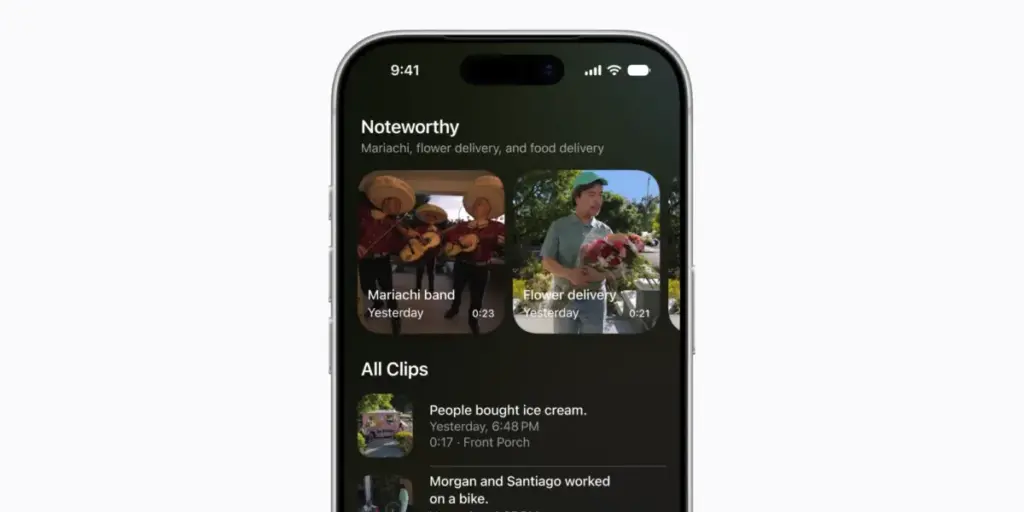
As Apple prepares for what is rumored to be one of its most significant hardware cycles in recent history, the software foundations of its ecosystem are undergoing a parallel transformation. With reports suggesting that the tech giant will launch a wide array of new Home-focused products later this year, the latest revelations surrounding iOS 27 indicate that the Home app is receiving its most substantial update in years. These changes are not merely incremental; they represent a fundamental shift in how Apple envisions the intersection of artificial intelligence, security, and user experience within the domestic sphere.
The upcoming software update appears designed to address long-standing user requests while simultaneously integrating "Apple Intelligence" into the fabric of the smart home. By focusing on HomeKit Secure Video and the way users interact with a mounting pile of daily notifications, Apple is positioning the Home app as a more capable, intuitive hub for the modern connected household.
HomeKit Secure Video Evolves with 4K Support and AI Integration
For years, one of the primary critiques of Apple’s HomeKit Secure Video (HKSV) has been its resolution cap. Despite the proliferation of high-resolution sensors in the third-party camera market, HKSV has historically limited recordings and streams to 1080p HD. This limitation was often attributed to the complexities of maintaining end-to-end encryption and the bandwidth requirements for iCloud+ syncing. However, iOS 27 is set to break this ceiling, officially introducing support for 4K video.
Apple has confirmed that supported HomeKit Secure Video cameras will now be able to stream and record in 4K resolution. This move is particularly timely, as rumors persist that Apple is developing its own first-party home security camera. By elevating the software capabilities to 4K, Apple ensures that its future hardware—and high-end offerings from partners like Eve and Logitech—can finally utilize their full optical potential. For the end user, this translates to significantly clearer footage, allowing for better digital zoom and more reliable identification of faces and objects at a distance.
Beyond the raw pixel count, the most profound changes to HomeKit Secure Video are powered by Apple Intelligence. As part of a broader push to bring generative and semantic AI to the iPhone, the Home app will leverage these capabilities to transform how users interact with their recorded footage.
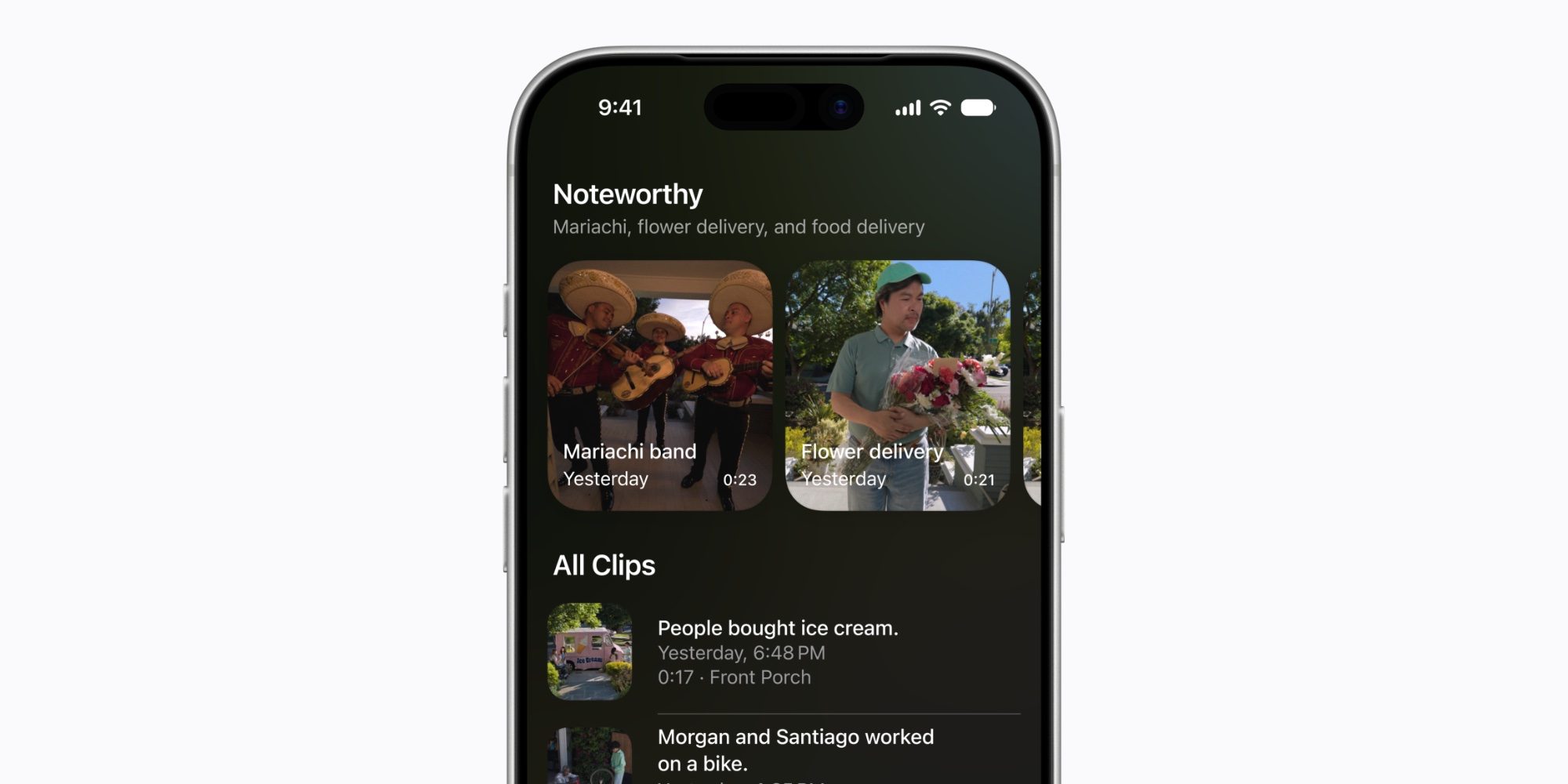
One of the standout features is a new AI-driven search capability for video clips. Rather than scrolling through an endless timeline of motion-triggered events, users can now use natural language to find specific moments. For example, a user could ask the app to "show me when the dog was in the garden" or "find the clip where a delivery person arrived." By indexing the content of the video locally and securely, Apple Intelligence allows the Home app to understand the context of what is happening in the frame, rather than just identifying that motion occurred.
This intelligence extends to the creation of smart summaries. When a user has been away from their device for an extended period, the Home app can generate a concise overview of the day’s activities. Instead of reviewing twenty separate clips of a neighbor’s cat or a swaying tree branch, the system can synthesize the most relevant events—such as a family member returning home or a package being left on the porch—into a digestible format.
Streamlining the User Experience: Real-Time Notification Updates
While security footage is a critical component of the smart home, the day-to-day experience is often defined by the volume of alerts a user receives. As homes become more connected, "notification fatigue" has become a genuine issue. In response, Apple is introducing a sophisticated new feature in iOS 27 aimed at reducing clutter through real-time, evolving notifications.
The philosophy behind this update is to treat related events as a single, continuous activity rather than a series of disconnected triggers. Under the current system, a person arriving home might trigger a motion alert on the driveway camera, a doorbell ring, and a notification that the front door has been unlocked. This results in three separate pings in quick succession.
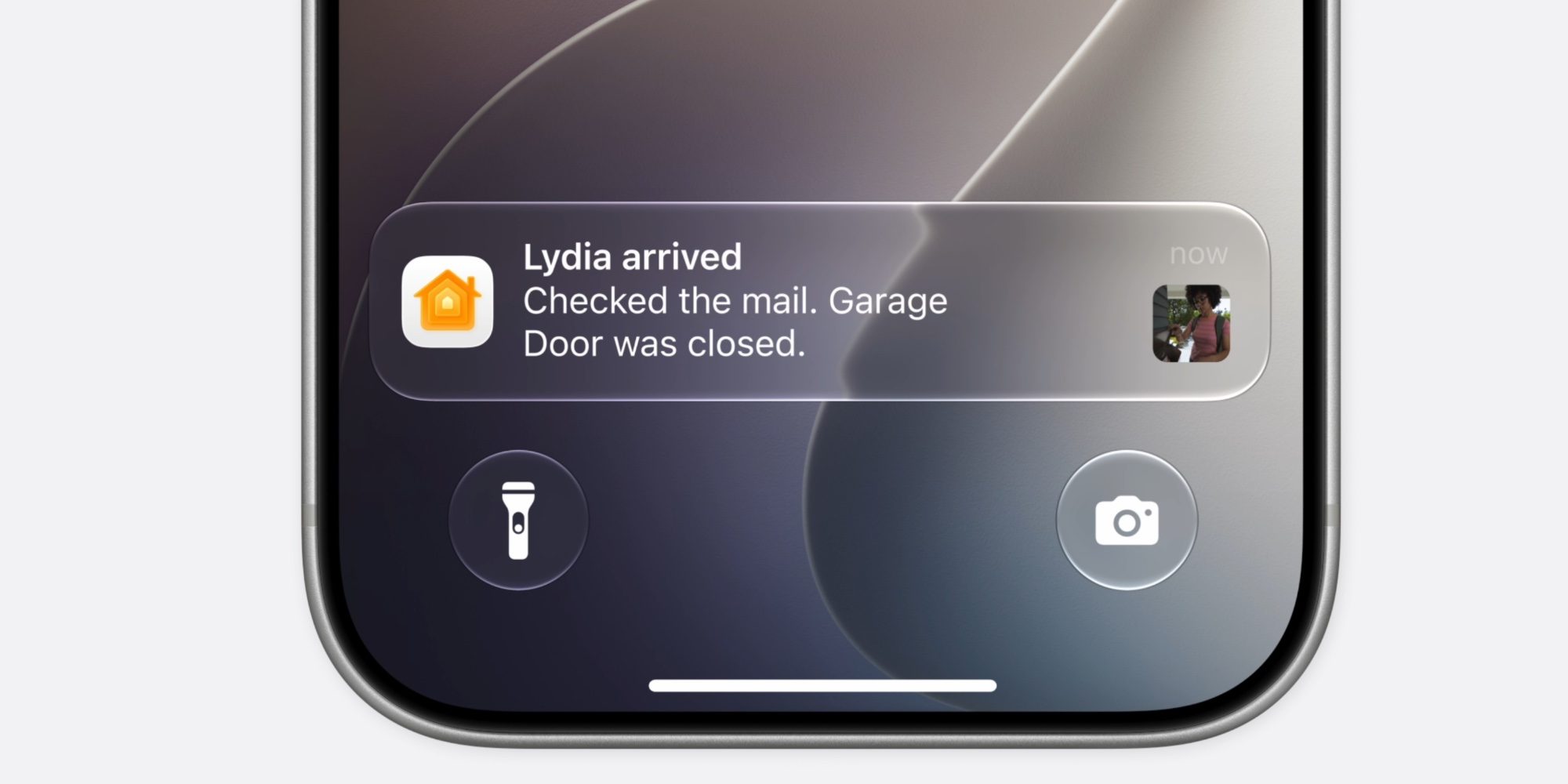
With the new "Reduce Notifications" toggle—found within a dedicated Apple Intelligence section in the Home app settings—iOS 27 will consolidate these events. Apple describes this as the app’s ability to understand "related notifications as a single activity." When enabled, the user receives one notification that updates dynamically as the situation unfolds.
For instance, if a family member arrives, the initial notification might simply state that someone has been detected. As they interact with the home, that same notification bubble will update to say: "Lydia arrived. Checked the mail. Garage Door was closed." This approach mirrors the "Live Activities" functionality seen in other parts of iOS, providing a live status update that occupies less space on the Lock Screen while offering more comprehensive information.
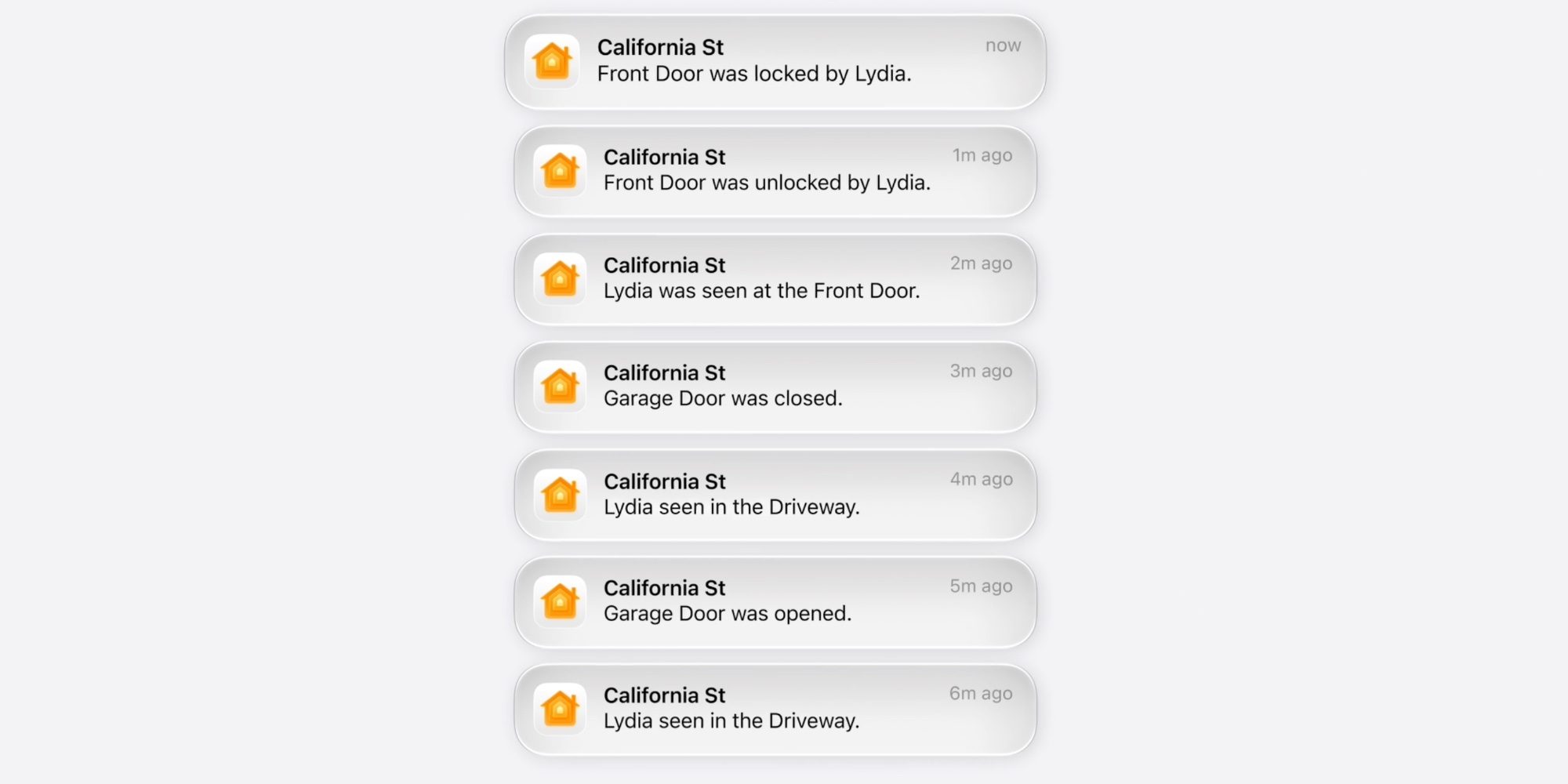
This feature relies heavily on the predictive power of Apple Intelligence to determine which events are logically linked. By filtering out the noise and focusing on the narrative of the home’s activity, Apple aims to make the Home app feel less like a list of sensors and more like an intelligent assistant that knows what is actually happening.
Setting the Stage for New Hardware
The timing of these software enhancements is unlikely to be coincidental. Industry analysts have long suggested that Apple is preparing a massive expansion of its Home hardware lineup. With reports indicating that up to 15 new products could be on the horizon—ranging from updated HomePods to entirely new categories like smart displays and security cameras—the iOS 27 Home app updates serve as the necessary infrastructure for these devices.
By upgrading HKSV to 4K, Apple is signaling to the market that it is ready to compete in the high-end security space. By integrating Apple Intelligence so deeply into the notification and search architecture, the company is creating a moat of convenience and privacy that is difficult for competitors to replicate. Unlike many other smart home platforms that process video and metadata in the cloud, Apple’s commitment to on-device processing via Apple Intelligence ensures that these new features do not come at the cost of user privacy.

The "Reduce Notifications" feature also suggests a future where the home is managed by a more proactive system. If Apple launches a smart display—a rumored "HomePad" of sorts—these real-time, consolidated updates would be the perfect way to display home status at a glance without overwhelming the user with a scrolling log of technical data.
Enhancing the Ecosystem with Third-Party Integration
While Apple’s own rumored products are the subject of much speculation, the improvements in iOS 27 also provide immediate benefits to the existing ecosystem of third-party accessories. Manufacturers who have already invested in 4K sensors will finally see their hardware utilized to its full extent within the native Home app.
To help users navigate these new capabilities, industry experts continue to point toward established HomeKit-compatible brands. Devices like the Ecobee Smart Doorbell Camera and the Aqara Camera Hub G3 are often cited as top-tier choices for those looking to maximize the security features of the Apple ecosystem. With the arrival of iOS 27, these devices will become even more powerful, gaining the benefit of Apple’s AI-driven search and notification management without requiring hardware upgrades.

As the smart home market moves toward the Matter standard, which aims to increase interoperability between different brands, Apple is doubling down on the "Home experience." By making the Home app the most intelligent and user-friendly interface for managing these devices, Apple ensures that even as hardware becomes more universal, the iPhone remains the indispensable control center.
The updates arriving with iOS 27 reflect a mature vision for the smart home. It is a vision where technology is less intrusive but more informative, where security is higher-resolution but easier to navigate, and where the "intelligence" of the home is used to give users back their time rather than demanding more of their attention. As the fall season approaches, the Home app looks ready to step out of the shadows and become a central pillar of the Apple user experience.
 Smart Home & IoT Solutions
Apple Revolutionizes Smart Home Ecosystem with iOS 27: 4K HomeKit Secure Video and AI-Driven Notifications Lead the Charge
As Apple prepares for its highly anticipated "Welcome Home" special event on...
 Smart Home & IoT Solutions
SwitchBot Unveils Lock Vision Series Featuring 3D Facial Recognition and Native Matter Integration
In the rapidly evolving landscape of smart home security, the transition toward...
 Smart Home & IoT Solutions
SwitchBot Unveils Lock Vision Series Featuring Matter Integration and Advanced 3D Biometric Recognition
In a significant expansion of its smart home security portfolio, SwitchBot has...







