
For the better part of the last decade, Apple’s presence in the smart home market has been defined by a select few products that, while capable, have often felt like secondary priorities compared to the iPhone, Mac, and iPad. The current lineup, led by the HomePod mini and the Apple TV 4K, has remained largely static for several years, with the core technologies powering these devices now reaching between four and six years of age. However, recent industry reports and internal leaks suggest that the long period of hardware stagnation is coming to an end.
The primary catalyst for this shift is not merely a desire for faster processors, but the arrival of Apple Intelligence. For years, the bottleneck for Apple’s home ecosystem has been Siri. While competitors like Amazon and Google aggressively updated their voice assistants and smart displays, Siri remained limited in its ability to handle complex, multi-step queries or maintain context. With the recent unveiling of Apple’s generative AI initiatives, the company finally has the software foundation necessary to justify a new generation of home hardware.
As Apple moves to integrate its AI-driven Siri across its entire ecosystem, a massive overhaul of its home products is reportedly in the pipeline. From iterative updates to existing favorites to entirely new product categories, the company is preparing to transition from a software platform provider to a dominant hardware force in the domestic space.
Imminent releases: The HomePod mini and Apple TV 4K
The most immediate updates are expected to target the pillars of Apple’s current home strategy: the HomePod mini and the Apple TV 4K. Both devices serve as "Home Hubs," allowing users to control Matter and HomeKit-enabled accessories remotely. According to current reporting, new versions of these devices are slated for a debut as early as this fall.
The HomePod mini, which has not seen a significant hardware refresh since its introduction in 2020, is expected to receive a substantial internal boost. The current model relies on the S5 chip, which originally debuted in the Apple Watch Series 5. To accommodate the processing requirements of the new Siri, the upcoming HomePod mini will likely jump to the S9 chip or perhaps even a more powerful variant.
This silicon upgrade is more than just a speed boost; it is a requirement for the local processing of Apple Intelligence tasks. While much of Apple’s AI work will happen in the cloud via Private Cloud Compute, having a more modern Neural Engine on the device will allow for faster response times and better voice recognition. Beyond the processor, the new mini is expected to feature the N1 wireless chip, which debuted in the iPhone 15 series, providing improved Ultra Wideband capabilities for more precise "Handoff" functionality between iPhones and the speaker. Minor audio refinements and a fresh palette of colors are also expected, while the price is projected to remain steady at $129.
Simultaneously, the Apple TV 4K is due for its own evolution. While the current model utilizes the A15 Bionic chip, reports indicate that the next iteration will feature the A17 Pro. While some enthusiasts might find the choice of a three-year-old chip curious for a 2024 or 2025 release, the A17 Pro represents a massive leap in terms of AI performance and gaming capabilities. This chip will enable the Apple TV to run many Apple Intelligence features locally, transforming the television into a central command center for the home.
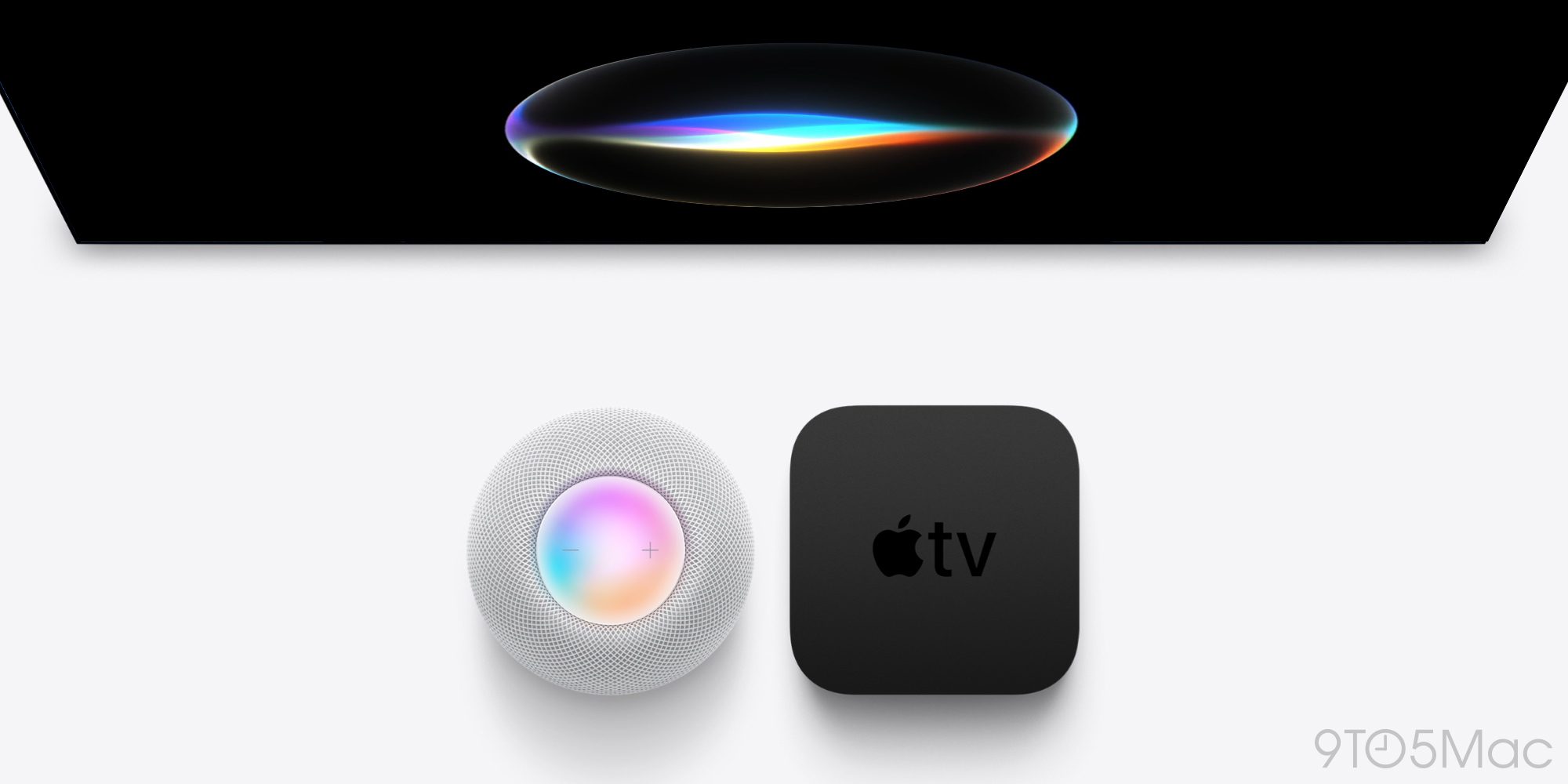
In addition to the internal specifications, there is evidence that Apple is tweaking the design of the Siri Remote. While the current aluminum remote is well-regarded, the redesign may focus on better integration with Find My technology or improved ergonomics. Apple recently adjusted the pricing for the Apple TV 4K to start at $199, and it is anticipated that this pricing structure will carry over to the new hardware.
Not quite as soon: The "HomePad" and the rise of homeOS
While updates to existing products provide a bridge to the future, the most anticipated development in Apple’s home strategy is the entry into the smart display market. For years, Apple users have repurposed old iPads as makeshift home controllers, but the company is now nearing the release of a dedicated smart home hub.
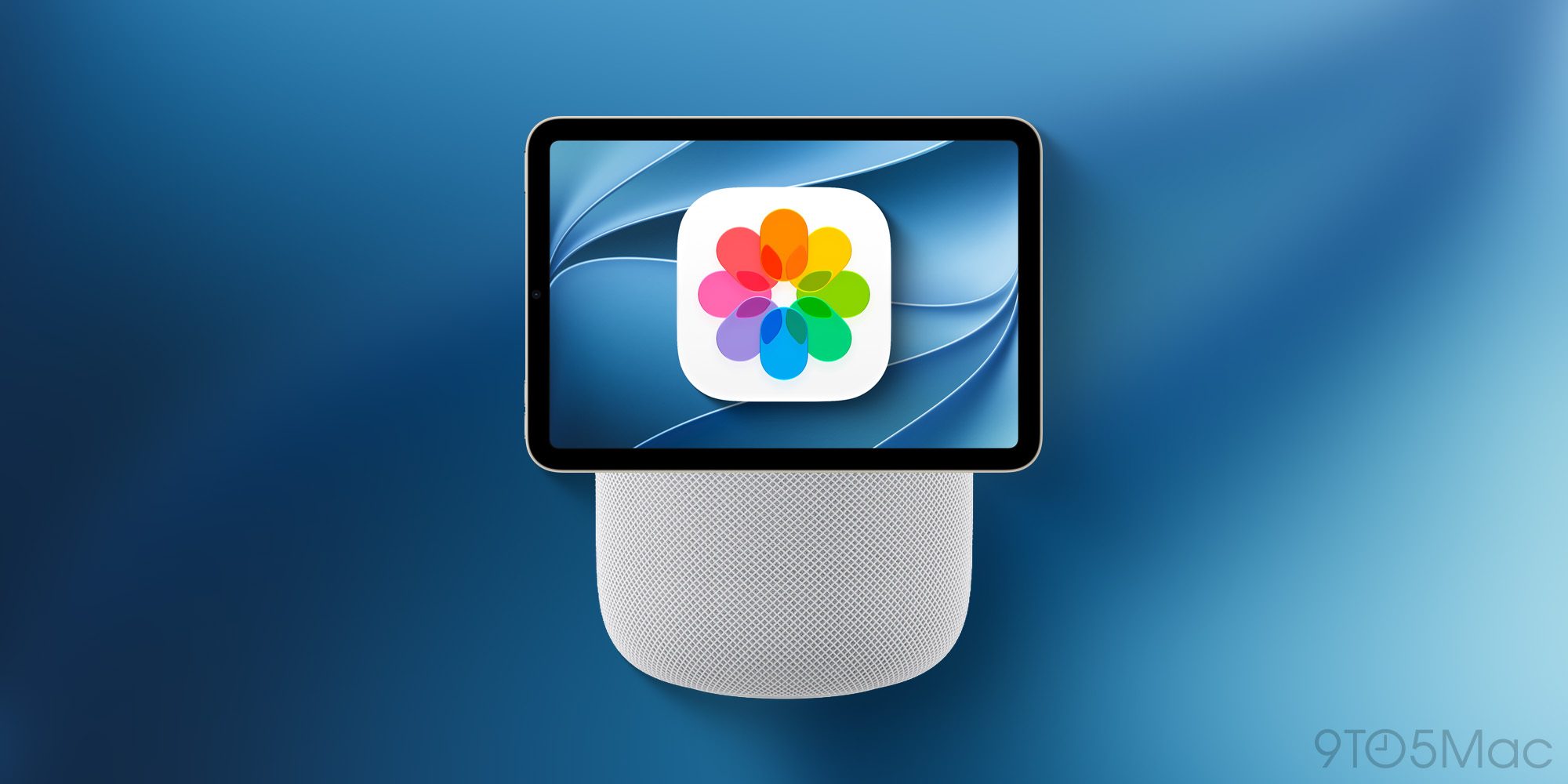
Internally, this project is described as having two distinct variants. The first is a standalone screen designed to be mounted on walls via a magnetic system, acting as a digital command center for lighting, climate, and security. The second variant is a more traditional smart display attached to a high-quality speaker base, positioning it as a direct competitor to the Google Nest Hub and Amazon Echo Show.
These devices are rumored to run a brand-new operating system currently dubbed "homeOS." Built on the foundations of tvOS and iOS, homeOS is being designed specifically for glanceable information and touch-first home control. The hardware is expected to sport a 7-inch square display, a departure from the rectangular aspect ratios of the iPad. This "HomePad," as it has been nicknamed by some, will likely be powered by the A18 chip, ensuring it has the headroom to handle FaceTime calls, high-fidelity audio, and the full suite of Siri AI features.
The timeline for these products is slightly more fluid, with current estimates placing a release window between late October and early next year. This suggests that while they could arrive alongside the new HomePod mini and Apple TV, Apple may choose to give them their own dedicated launch window to highlight the introduction of homeOS.
Furthermore, a refresh of the full-size HomePod is also in development. While the second-generation HomePod was released relatively recently, it lacks the advanced silicon required to run the most sophisticated versions of Apple’s new AI. Bloomberg’s Mark Gurman has indicated that a third-generation model is in the works, focusing on deeper integration with the broader Apple Intelligence ecosystem to ensure that Apple’s premium speaker remains a competitive "smart" device.
Later down the road: Security and robotics
Looking further into the future—specifically late 2026 and into 2027—Apple’s ambitions extend beyond simple speakers and hubs. The company is reportedly planning to enter the home security market with its own branded accessories.
Historically, Apple has relied on third-party manufacturers to create cameras and doorbells that support HomeKit Secure Video. However, the company is now preparing its first first-party smart home security camera and a smart home doorbell. By controlling the hardware, Apple can offer a level of privacy and ecosystem integration that third-party manufacturers struggle to match. These devices will likely leverage Apple’s advanced computer vision technology to provide superior facial recognition and package detection, all while maintaining the end-to-end encryption that has become a hallmark of Apple’s brand.
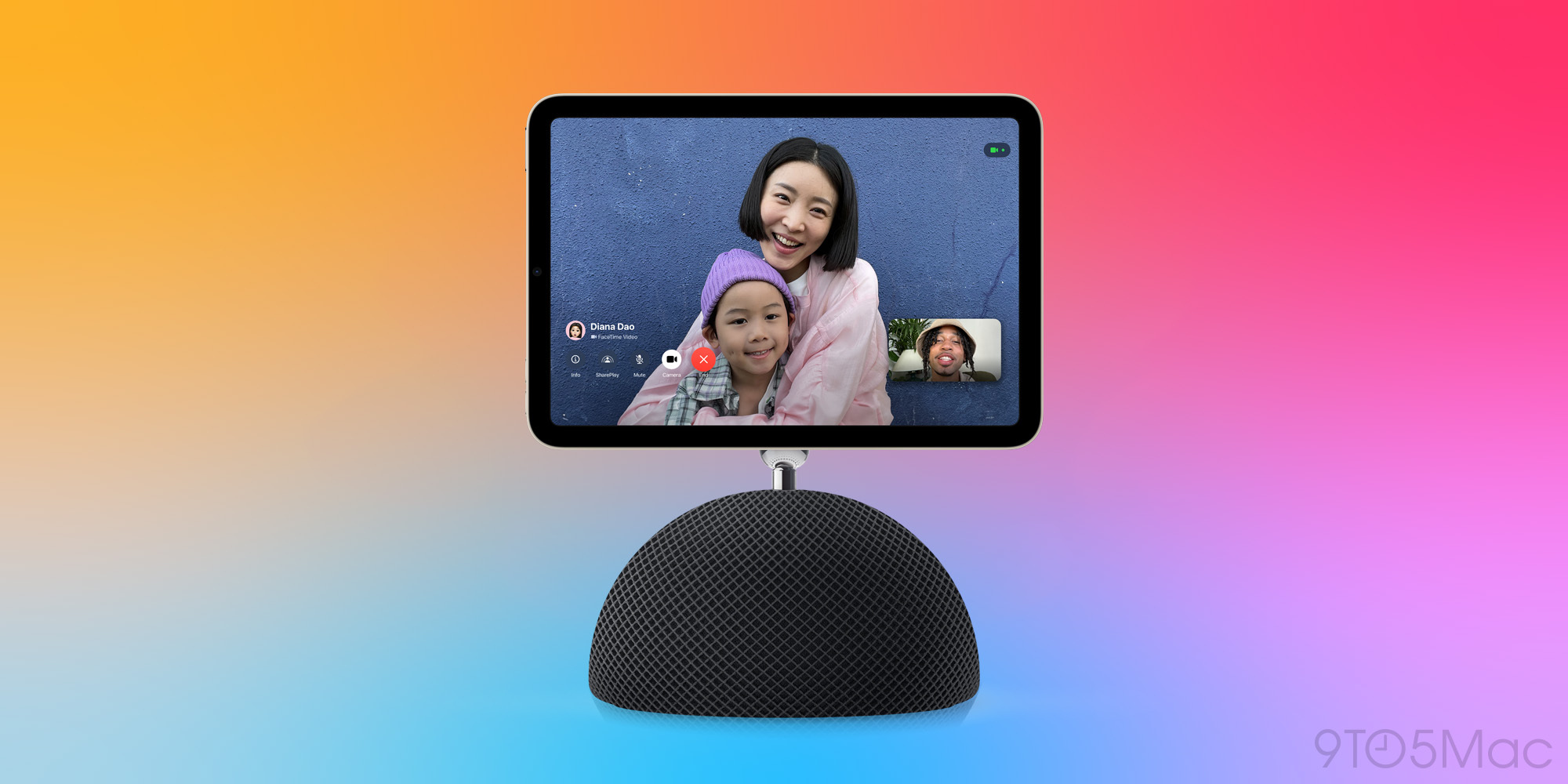
Perhaps the most experimental project in development is a high-end version of the smart home hub that incorporates robotics. This device is described as a tabletop robot featuring a large, 9-inch display mounted on a motorized robotic arm. The arm would allow the screen to tilt and rotate, following a user around a room during a FaceTime call or adjusting its position to provide the best viewing angle for a recipe or video.
This tabletop robot represents Apple’s long-term vision for the home—a move toward "ambient computing" where technology is not just a tool used by the consumer, but an active participant in the environment. While this product is still several years away from a potential commercial release, its existence in Apple’s R&D pipeline underscores the company’s commitment to reclaiming the domestic space.
The common thread across all these upcoming releases is the transformation of Siri. For years, Apple’s home hardware was held back by software that couldn’t keep up with the hardware’s potential. With Apple Intelligence, the company is finally ready to provide a brain that matches the brawn of its silicon. As these products begin to hit the market over the next several months and years, the Apple home ecosystem is set to evolve from a collection of accessories into a cohesive, AI-powered experience.
 Smart Home & IoT Solutions
Apple Poised to Enter Smart Home Display Market with Design Inspired by Iconic iMac G4
In a move that signals a significant shift in its hardware strategy,...
 Smart Home & IoT Solutions
Apple Intelligence and 4K Video Support Headline Significant Home App Upgrades in iOS 27
As Apple prepares for what is rumored to be one of its...
 Smart Home & IoT Solutions
Philips Hue Enhances Smart Home Ecosystem with Launch of SpatialAware and New Video Doorbell Features
The landscape of smart home lighting has undergone a significant transformation today...







