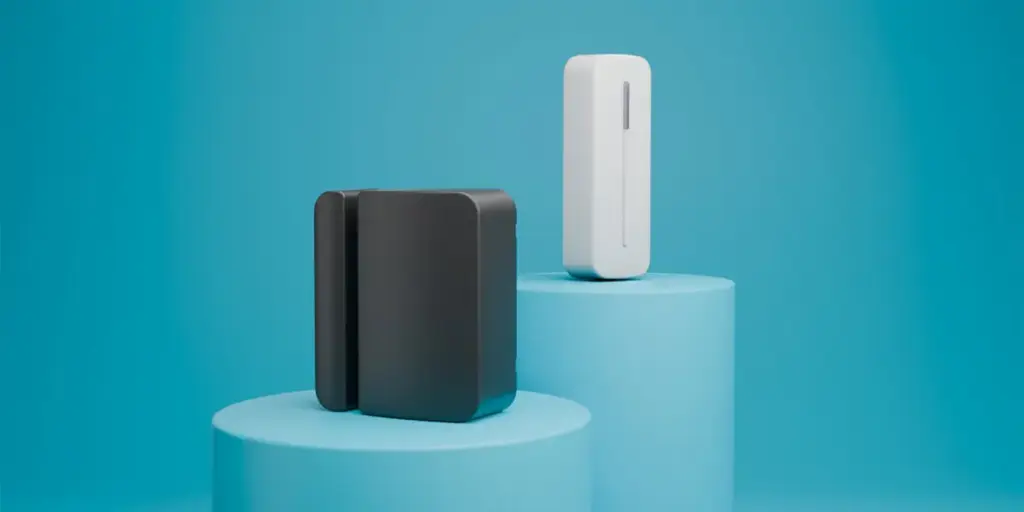
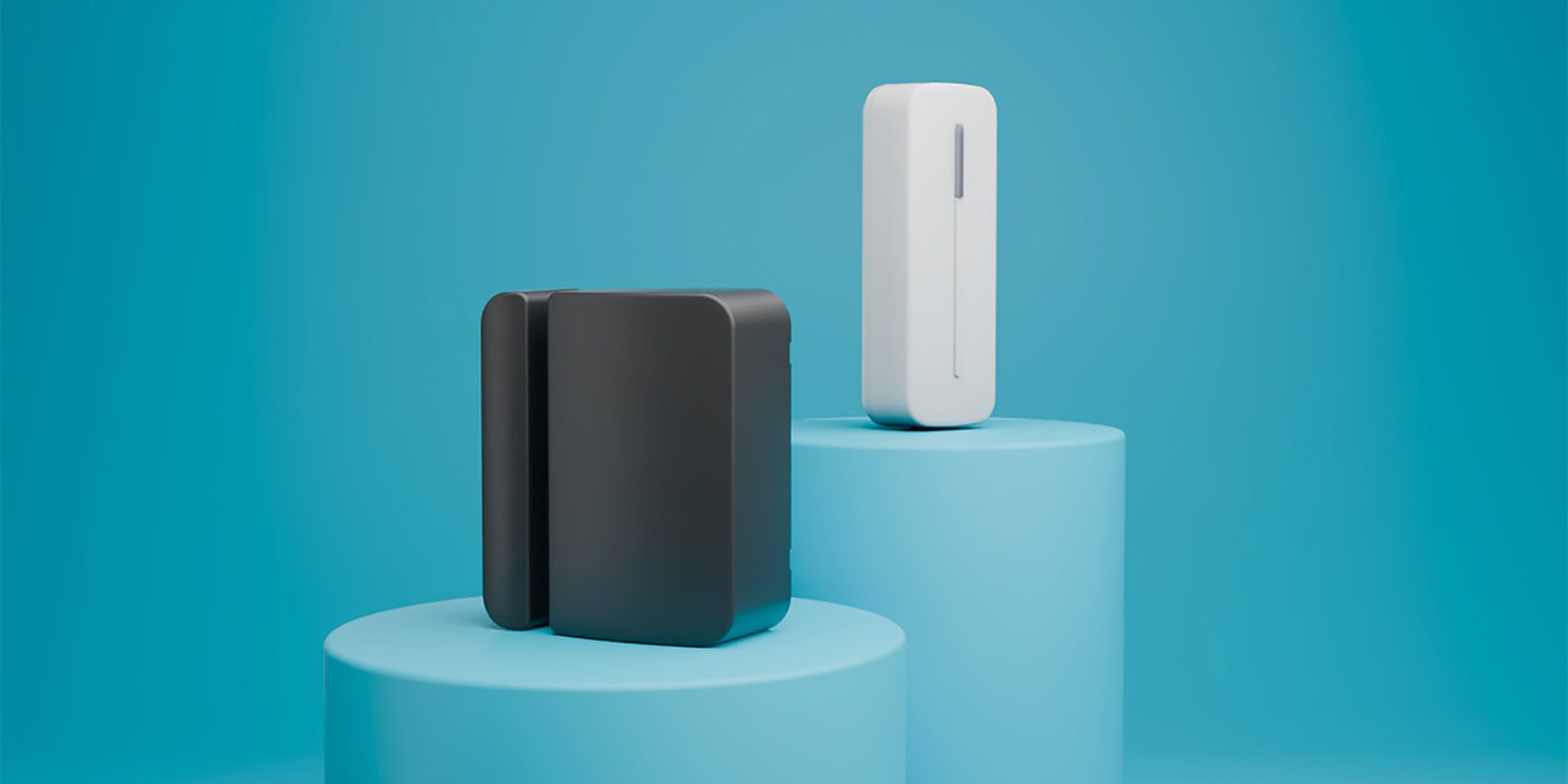
According to technical specifications released by the company, the Garage Tilt Sensor detects motion by sensing when a surface changes its orientation by more than 45 degrees from its resting position. This design makes it an ideal choice for a variety of unconventional entry points, including attic hatch doors, basement tilt windows, and any hinged panel that swings open at an angle.
Longevity and ease of maintenance were clearly priorities in the development of this device. Abode claims that the Garage Tilt Sensor offers a battery life of up to 10 years, a figure that significantly reduces the "maintenance fatigue" often associated with DIY smart home systems. When the sensor is triggered—such as when a garage door begins its upward arc—the homeowner receives an immediate alert via the Abode app, providing real-time awareness of the home’s largest and often most vulnerable entry point.
Ruggedized Security with the Outdoor Contact Sensor
While the tilt sensor handles the mechanics of the garage, the new Outdoor Contact Sensor is built to withstand the elements. Standard indoor sensors are notoriously fickle when placed outside; they are often sensitive to the minute movements caused by wind and are easily damaged by moisture and temperature fluctuations. Abode has addressed these issues by giving the Outdoor Contact Sensor an IP66 rating, ensuring it is dust-tight and protected against powerful jets of water, making it suitable for year-round exposure to rain, snow, and heat.
The engineering of the Outdoor Contact Sensor also accounts for the physical realities of outdoor structures. Gates and shed doors often have wider tolerances and more "play" than a tightly fitted front door. To combat this, Abode has utilized a stronger magnet and a wider activation gap. This design choice is intended to drastically reduce the frequency of false alarms that typically plague indoor sensors when they are repurposed for outdoor use.
Purpose-built for metal gates, storage units, mailboxes, and detached garages, the Outdoor Contact Sensor acts as an early warning system. When the magnetic connection is broken, the mid-size sensor notifies the user immediately through the Abode app. This allows homeowners to respond to activity at the very edge of their property before a potential intruder even reaches the main residence.
Connectivity and Range for Large Properties
One of the primary hurdles for outdoor smart home devices is the limitation of wireless range. Signals that easily pass through interior drywall often struggle when tasked with penetrating exterior brick, stone, or the metal siding of a detached shed. Abode has addressed this by optimizing the connectivity of both new sensors.
 Smart Home & IoT Solutions
Apple Intelligence Sparks Major Smart Home Overhaul as New HomePod and Apple TV Hardware Loom
For several years, Apple’s presence in the smart home market has been...
 Smart Home & IoT Solutions
Apple Expands Smart Home Ecosystem with New Aqara Accessories and Third-Party Hardware Ahead of Major Product Launches
In a significant update to its retail and digital storefronts this week,...
 Smart Home & IoT Solutions
Why the Apple Home Collection Could Finally Bring the Smart Home to the Mainstream
In the fast-paced world of consumer electronics, it is often easy for...