
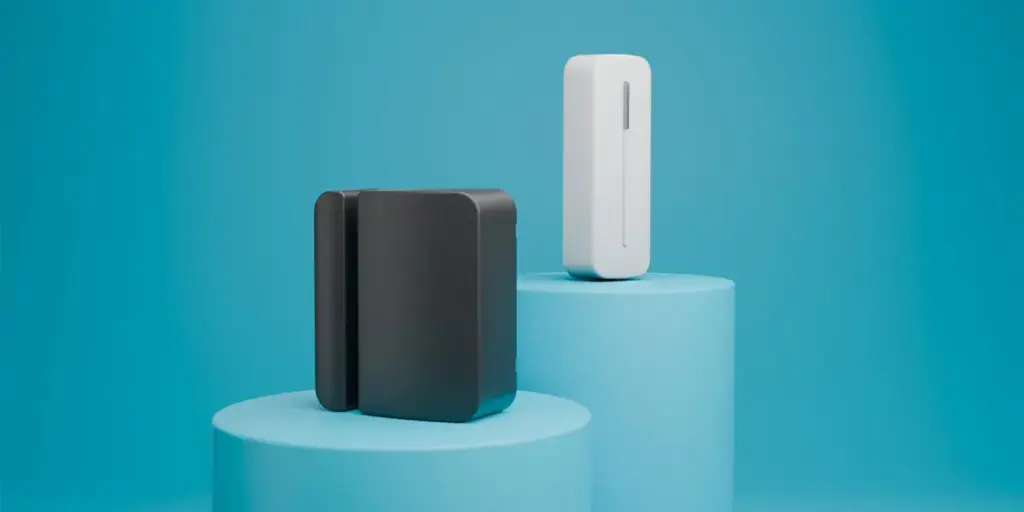
The landscape of DIY home security continues to evolve as manufacturers shift their focus from the interior of the home to the often-overlooked boundaries of the property. Abode, a prominent player in the smart home security sector known for its deep integration with major automation platforms, has announced a significant expansion of its hardware portfolio. The company today unveiled two new hardware components: the Garage Tilt Sensor and the Outdoor Contact Sensor. Both devices are designed to bring professional-grade monitoring to entry points that have historically been difficult to secure with standard indoor equipment, such as detached sheds, perimeter gates, and specialized garage doors.
The announcement marks a strategic move for Abode as it seeks to provide a more holistic security "envelope" for homeowners. By extending the reach of its sensors beyond the four walls of the primary residence, Abode is addressing a common vulnerability in residential security. These new additions are fully compatible with Apple Home, Amazon Alexa, and Google Assistant, ensuring they fit seamlessly into the existing workflows of smart home enthusiasts.
Abode announces two Apple Home-compatible sensors
The core of today’s announcement centers on the philosophy that a home’s security is only as strong as its weakest access point. While many homeowners prioritize front-door cameras and indoor motion detectors, secondary structures and perimeter entries frequently remain unmonitored. Abode’s new sensors are specifically engineered to withstand the environmental and mechanical challenges associated with these external areas.
According to Abode, the new Garage Tilt Sensor and Outdoor Contact Sensor are designed to monitor entry points that are often beyond the reach of traditional indoor sensors. This "reach" refers not only to the physical distance from a central hub but also to the ability of the sensors to function correctly in environments where metal interference, temperature fluctuations, and physical movement—like a gate swaying in the wind—might cause standard sensors to fail or trigger false alarms.
Both products leverage Abode’s proprietary CUE smart home automation engine. This software layer allows users to create complex, personalized behaviors that go beyond simple notifications. For instance, the company suggests that the sensors can be programmed to trigger driveway lights the moment an entry gate is opened after sunset. Alternatively, for those prone to forgetfulness, the system can be configured to automatically close a garage door if the Tilt Sensor detects it has been left open for a specified duration, such as ten minutes. This level of automation highlights the transition of smart home technology from reactive alerts to proactive management.
The Garage Tilt Sensor: Longevity and Precision
The Garage Tilt Sensor is a specialized device designed for a very specific set of movements. Unlike a standard contact sensor, which relies on two parts separating, a tilt sensor monitors the orientation of the surface to which it is attached. Abode’s new wireless model is particularly notable for its claimed battery life, which the company states can last up to 10 years. This longevity is a critical feature for a device that may be mounted on a high ceiling or an attic hatch where frequent maintenance would be a significant inconvenience.
In detailing the mechanics of the device, Abode explained that the Garage Tilt Sensor detects motion by sensing when a surface changes orientation more than 45 degrees from its resting position in either direction. This specific threshold is designed to prevent "phantom" alerts caused by minor vibrations or wind while ensuring that any meaningful opening of a door or hatch is recorded.
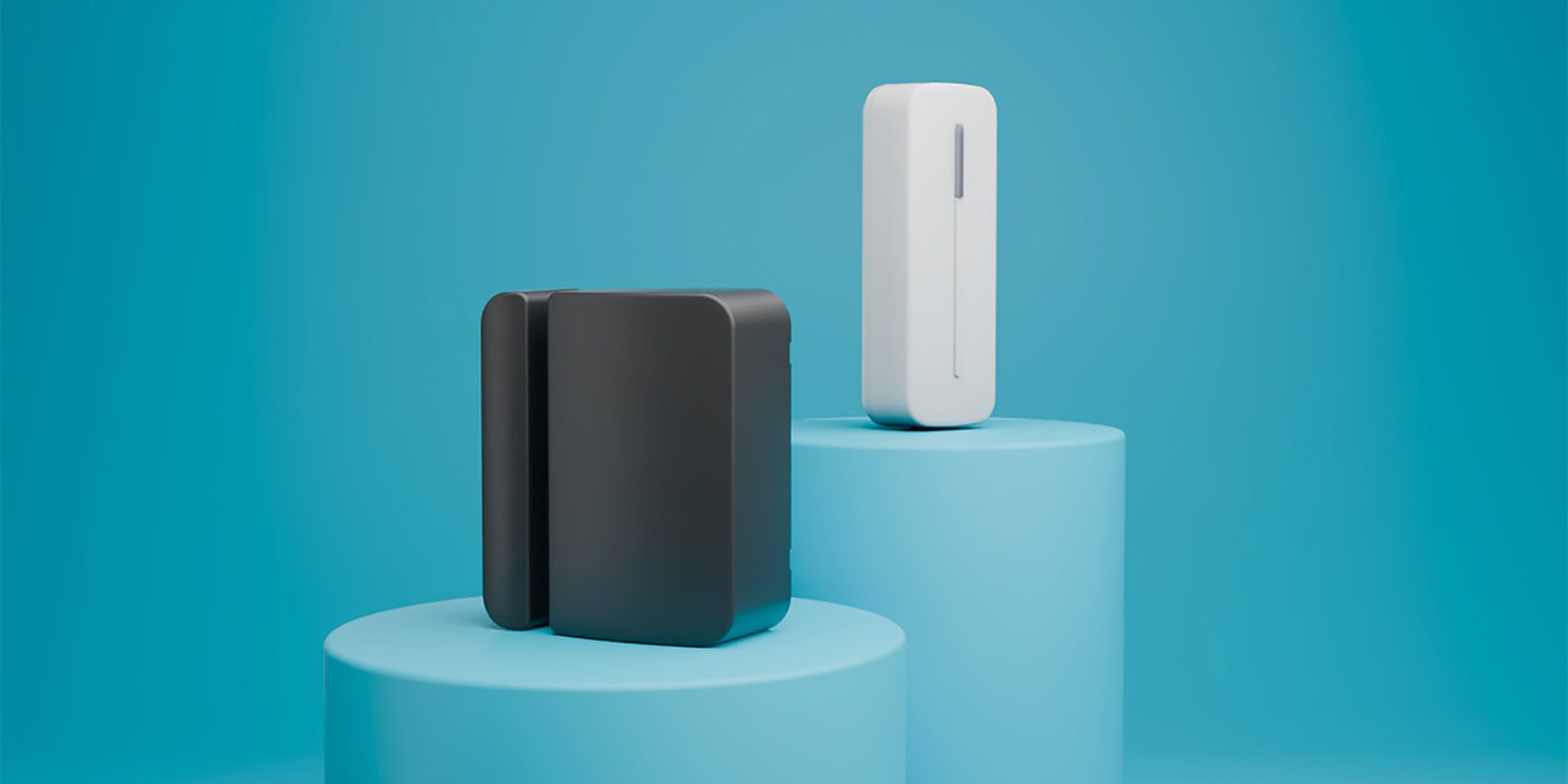
The company identifies several ideal use cases for this technology, including up-and-over-style or tilt-style garage doors, attic hatch doors, and basement tilt windows. It is also applicable to any hinged panel that swings open at an angle. When the sensor is triggered—for example, when a garage door begins its upward arc—homeowners receive an immediate alert via the Abode app. This real-time feedback is intended to provide peace of mind, allowing users to verify the status of their home’s largest entry point from anywhere in the world.
The Outdoor Contact Sensor: Ruggedized Perimeter Protection
While the Tilt Sensor handles angular movement, the new Outdoor Contact Sensor is built for the rugged reality of exterior gates and outbuildings. Outdoor environments present a unique set of challenges for digital sensors, including moisture, extreme temperatures, and the presence of heavy metal structures that can interfere with wireless signals.
Abode’s Outdoor Contact Sensor is purpose-built for these conditions, carrying an IP66 rating. This rating indicates that the device is dust-tight and protected against powerful jets of water, ensuring it remains functional through heavy rain, snow, and irrigation cycles. The company specifically recommends the sensor for metal gates, sheds, storage units, mailboxes, and detached garages.
One of the primary frustrations with using indoor sensors in an outdoor context is the frequency of false alarms. Outdoor gates often have more "play" or movement than indoor doors due to wind or loose latches. To combat this, Abode has equipped the Outdoor Contact Sensor with a stronger magnet and a wider activation gap. This design allows the sensor to remain "closed" even if a gate rattles slightly, reducing the likelihood of a homeowner being woken up by a false notification during a storm.
When a genuine trigger occurs, the mid-size sensor notifies the user immediately through the Abode app. This allows for a rapid response to unexpected activity at the very edge of a property, potentially deterring an intruder before they ever reach the main house.
Connectivity and Range
One of the most significant hurdles for outdoor smart home devices is maintaining a stable connection to the central hub. Standard Wi-Fi and Bluetooth often struggle to penetrate exterior walls or cover the distance to a far-off back gate. Abode claims that under "optimal conditions," connectivity with both the Garage Tilt Sensor and the Outdoor Contact Sensor can extend up to 500 feet.
To ensure a successful installation, Abode has integrated a range-testing feature into its setup instructions. This allows users to verify that the sensor can communicate with the hub before they commit to mounting the hardware permanently. This emphasis on DIY-friendly installation has been a hallmark of the Abode brand, and these new sensors continue that trend by simplifying what could otherwise be a complex technical setup.
A Strategic Focus on Perimeter Security
The philosophy behind these new products was summarized by Chris Carney, CEO and Founder of Abode, who emphasized the importance of securing the entire property rather than just the primary residence.

“Break-ins usually don’t start at the front door,” Carney noted in a statement accompanying the launch. “Unlocked side gates or garages present vulnerable access points often left unmonitored by homeowners. We built these sensors because the perimeter of a home deserves the same protection as the inside of it.”
This perspective aligns with broader trends in the security industry, where "layered security" is becoming the standard recommendation. By monitoring the perimeter, homeowners gain more time to react to a potential threat. If a sensor on a back shed or a side gate is triggered, the homeowner is alerted while the intruder is still outside, rather than discovering the breach only after a window or door to the living quarters has been compromised.
Integration with the Apple Home Ecosystem
For many users, the primary draw of Abode’s hardware is its native support for Apple Home (formerly HomeKit). While many security systems require third-party bridges or complex workarounds to appear in the Apple Home app, Abode has prioritized official compatibility. This allows the new sensors to show up alongside other HomeKit-enabled devices, enabling them to be used as triggers for Apple Home Automations.
For example, a user could set a "Goodnight" scene that checks the status of the Garage Tilt Sensor and sends a critical alert if the garage is still open. Similarly, the Outdoor Contact Sensor on a mailbox could trigger a HomePod announcement to let the household know that the mail has arrived. This cross-platform utility makes the sensors a versatile tool for both security and general convenience.
Pricing and Availability
Abode is positioning these sensors as accessible additions to its existing security ecosystem. The Garage Tilt Sensor has been released with a suggested retail price of $34.99, reflecting its specialized but straightforward utility. The Outdoor Contact Sensor, which requires more robust weatherproofing and specialized magnet technology, carries a suggested retail price of $49.99.
Both sensors are available starting today, providing Abode users with the tools necessary to fill the remaining gaps in their home security coverage. As the smart home market continues to mature, the introduction of specialized hardware like these sensors suggests a shift toward more nuanced, comprehensive monitoring solutions that account for the entirety of a homeowner’s property.
 Smart Home & IoT Solutions
Apple to Unveil ‘HomeView’ Smart Hub at Upcoming ‘Welcome Home’ Event with iMac G4-Inspired Design and A18 Chip
Apple is preparing to significantly expand its presence in the smart home...
 Smart Home & IoT Solutions
Apple Reimagines the Smart Home with iOS 27: 4K Video Support and Intelligence-Driven Notifications Take Center Stage
As Apple prepares for what is rumored to be one of its...
 Smart Home & IoT Solutions
Apple Expands Smart Home Ecosystem with New Third-Party Accessories and Aqara Matter Integration
In a strategic update to its retail and online storefronts this week,...







